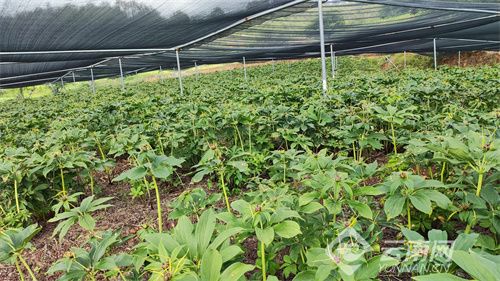
According to the people's government of nantung city, on 1 june the harvest was nearing its end at the mapu family farm in wang bal, kaidong city. This year, in addition to 500 acres of reclaimed saline, the remaining 1,900 acres of oilseed produce an average of more than 450 pounds, with notable success in scale cultivation. In recent days, its first 170 tons of vegetable seeds have been traded in excess of $1 million。
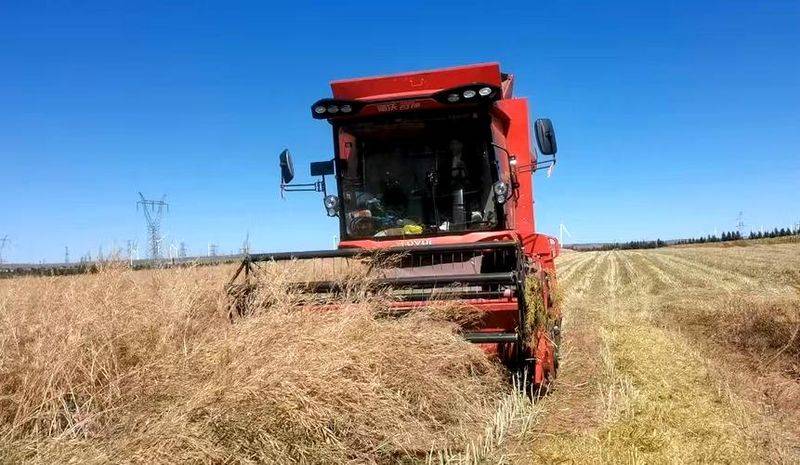
Makuohara is engaged in fresh water farming and has moved to scale cultivation since 2015. After experiencing some of the wheat fields, in autumn 2023, he tried to replace 260 acres of low-yielding land with oilseeds, at the recommendation of the kaidong rural and agricultural directorate, which was close to 400 pounds in summer. In the autumn of 2024, he expanded the wheat-to-oil model to nanyang town, with an additional area of 1440 acres。
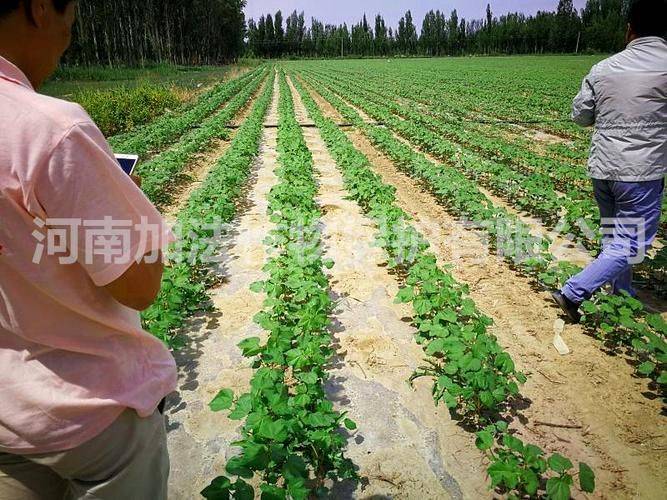
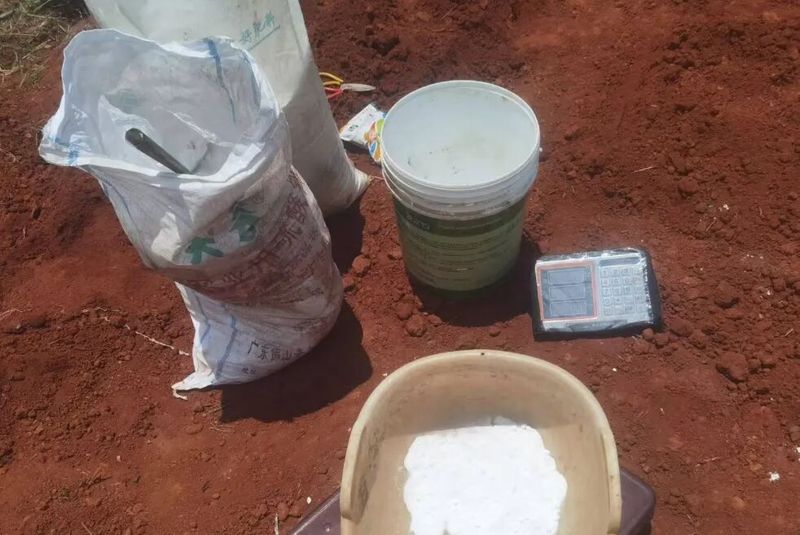
In response to the challenges of scalding cultivation, machu has taken a number of key measures with the support of various parties: the introduction of the country's state-of-the-art oil and vegetable cut-off table, which has significantly reduced the rate of machine wear and tear from 15 per cent to 4. 77 per cent; the construction of a dedicated drying house, supported by the government of wangbau, which has resulted in a mild change in vegetable seeds; and the continued use of precision fertilizers, the prevention of pests and pests, and the successful resistance to the “dry-heating” natural disaster, under the guidance of experts such as the senior agriculturalist of kaidong city。
In addition, the replacement of the oil and vegetable varieties with the “nining 501” in the autumn of 2025 by machu further enhanced its production potential. The chief of the kaidong station, xu yong, assessed that the city-wide total of over 7,000 acres of oil and vegetables was one third owned by maphu, with the highest single production and benefits。
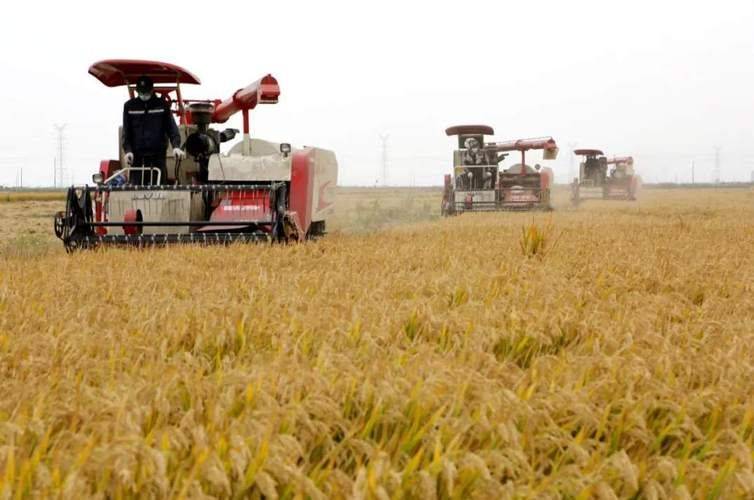
Machu summed up that high productivity cannot be linked to climate conditions, but the key lies in the integrated application of “good species, opportunities, good practices” led by agro-technology experts, as well as strong support at the town and village levels. He had confidence in future development。