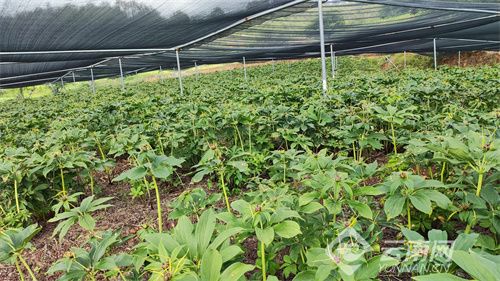
Vegetable soybean cultivation is a high-quality cultivation model for southern food tankering, raising the index of land replanting and increasing the incomes of farmers. After the harvest, the soil is fertilized, soil estranged and the pest base is low, creating a good basis for soybean growth. But soybeans grow and grow because of the clinking, the heat and rain of the summer, the residues of the slurry, the unstable state of the weed. In order to ensure a steady high yield of soybeans and to optimize the quality of cultivation, it is necessary to implement a process-wide scientific management of planting, taking into account the soil characteristics of the soybean, as summarized below。
I. Cleaning up the field and making fine tumblings
Following the harvest, the fields are left with a large amount of straw and residues, which, if not properly treated, can discourage soy seeds from growing, and can breed pests. First of all, we have to work out the straw, give priority to the technique of grinding back to the field, and use a shredder to crush the oil straw to below 5 cm, so that it is evenly thrown into the field, both to improve the soil and to raise the organic content, and to avoid the difficulties of seeding caused by empty straw seeding. In the case of excess slurry, the excess slurry can be manually collected to ensure field penetration。
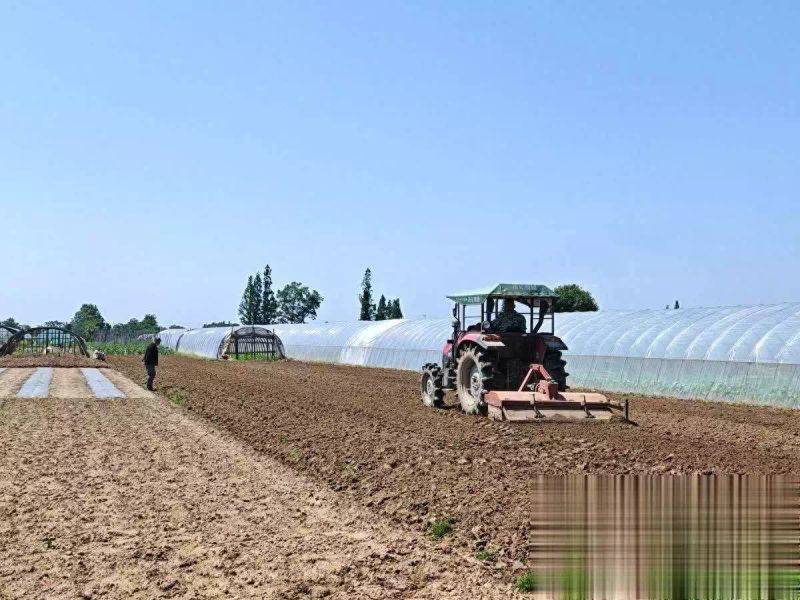
Upon completion of the treatment of the straw, work was carried out on the ground in a timely manner, using a tiller to rotate the arable land at depths ranging from 15 to 20 cm, breaking the soil sheeting and defusing the soil structure. The whole process was to remove stones from the fields, to level the land and to ensure that the surface was flat. At the same time, the field drainage and drainage system is being improved, the field drains are being dug, the main ditch is 30 cm deep and the ravine is 20 cm deep, so the rain stops and soybean roots are being eliminated. The best time in the whole area is within three days of the harvest, where the soil is seized and the basis for planting is firmly established。
Ii. Locally adapted seed selection and seed processing
Vegetable soybeans are mostly in the form of summer soybean soybeans, with short growth cycles and late exposure to low-temperature rain weather, and the selection of seeds needs to be strictly symmetrical. Priority is given to the selection of high-quality soybean varieties that are pre-cooked, inverted, high-temperature-resistant, insulated, pest-resistant and suitable to harvest, such as zhebab-3 and zhubhui-5, to ensure birth control for 90 to 110 days and to ensure mature harvest before the fall of the frost. In combination with the local climate and soil fertility, poor hilly plots are selected for marginal-resistant varieties and fertile plain plots for high-yielding varieties。
Pre-planting must regulate the handling of seeds, removing poor-quality seeds from dry, broken, molded, infested, and retaining high-quality seed sources of full and even size. After the screening is completed, the sun is dryed up for one to two days in the middle of the day, avoiding the strong sunlight of noon, reducing the water content of the seeds and enhancing seed sprouts. In order to prevent subterranean pests and insects, a combination of medicinal agents can be developed, seeds can be packaged with low-intensity specially designed clothing, dried up and replaced, and pests such as root and ground tigers can be effectively avoided。
Iii. Seizing seeding opportunities and regulating seeding processes
The connection is the key to soybean cultivation and requires strict control of planting time. The planting is generally completed in mid-may and early june of each year, with the planting being done immediately after the harvesting of oilseeds, in order to minimize the idleness of the land and avoid the effects of hot droughts. The choice of soil at seeding is based on a relative wetting of 70 to 80 per cent of the water, and arid plots need to be rinsed early and blindly seeded after the rain to prevent soil adhesion from causing strangulation。
The seeding method gives priority to mechanized precision dens, scalable scale cultivation, 30 to 40 centimetres of range, 15 to 20 centimetres of capacity and 2 to 3 seed seeds per den, with a depth control of 3 to 4 centimetres and an even thickness of cover. Medium-fertility plots seed 5 to 6 kg per acre, fertile plots reduce seedlings appropriately, and marginal plots increase their use proportionately, retaining 12,000 to 15,000 seedlings per acre. The seeding has resulted in a mild suppression of the soil, the crushing of the earth, the reduction of the evaporation of water and the securing of seedlings。
Iv. Fertilization of scientific formulations and strict control of fertilization
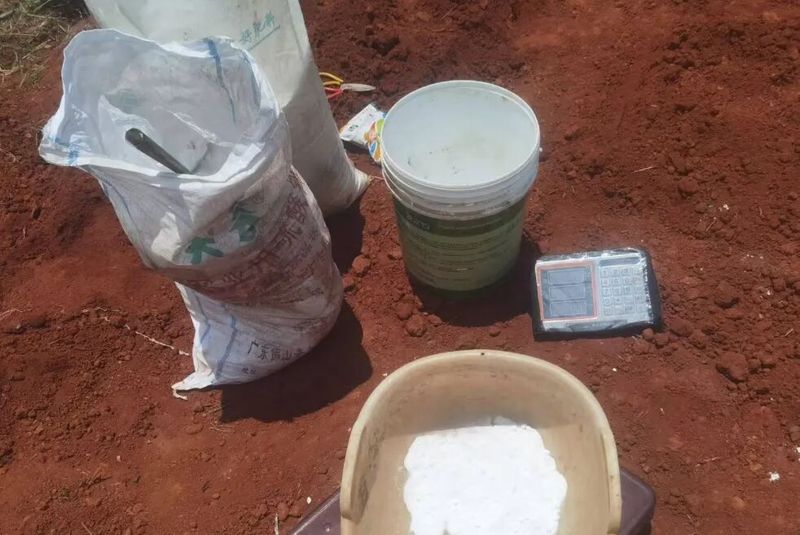
There are more soil residues and a better base of fertility, and soybeans are required to apply for fertilization in accordance with the principles of heavy bottom, light pursuit and microfertilization, avoiding blind fertilization leading to the collapse of the plant. A one-off application of bottom fat combined with a total application, dominated by consumable farmers ' fertilizer combined with compound fertilizer, with 1,000 kg of decomposed organic fertilizer per acre and 30 kg of potassium nitrogen phosphorus compound fertilizer per acre, supplemented by boron and molybdenum trace elements, with 0. 5 kg of boron sand and 0. 3 kg of ammonium molybrate per acre to meet the growth needs of soya root tumors。
Long-term, long-term and precise pursuit of fattening, with no need to catch fat during the seeding period, avoid excessive nitrogen fattening leading to the growth of young seedlings. The flowering season is the peak for soybeans, with 5 kg of urea per acre and 8 kg of potassium fat, supplementing the nutrients required for flowering and reducing the fallout. The porcelain period is followed by leaf spray, which is diluted by potassium phosphate per acre in water, evenly sprayed on the face of the leaf, once at intervals of 7 to 10 days, and twice in a row, slowing the aging of the leaf, promoting the abundance of seed grains and increasing the weight of thousands of soybeans. Excessive application of nitrogen fertilizer is prohibited throughout the process to prevent soybeans from becoming green and ripe。
V. Strengthening field management and optimizing the growth environment
(i) weeding between plants
The soybean seedlings are replanted five to seven days after the soybean seedlings have been released, with soil shifting to replant the seedlings to ensure a balanced field. The seedlings grow from two to three retours with an inter-sapling to remove the seedlings, the sick seedlings and the seedlings and keep them strong. Weeds compete for soil nutrients and require weeding in conjunction with chinese tillage, with at least two to three times during the whole reproductive period, with light tillage and deep tillage before flowering, both to remove weeds and to improve soil aerobics and to promote rooting. Soybean-specific low-toxic herbicides can also be used to target spray herb during seedlings of weeds to avoid the effects。
(ii) water control
The principles of drought-resistant seedlings, water demand during flower seasons and rapid water drainage are followed. Shrimp periods do not require frequent watering and moderate drought can contribute to root system growth; flowering periods are water-critical periods, soil content needs to be maintained at more than 70 per cent, in a timely manner during drought, and the use of small-water flooding to avoid large-scale flooding and damage to plantations; and rainy seasons fill drains and drain water from the fields within 48 hours to prevent oxygen depletion. Drums experience high temperatures and droughts, with a small amount of water recharge to maintain soil humidity and ensure seed development。
(iii) control and control
During the summer, high-temperature, high-humid environments tend to lead to long soybean plantations and high fertility plots need to be controlled and treated. During soybeans ' first flower, the use of high-controlled agents, such as olesium and polyazole, is selected to spray the water, inhibit the vertical growth of the plant, reduce the length of the tubing, increase the resilience of the tubing and prevent lateral reversals. It also rationally regulates planting density, avoids field depression, improves ventilation and reduces the risk of inversion。
Vi. Integrated pest management and adherence to green control
The main pests of soybeans, such as frosting, root decay, soybeans, heartworms, aphids, etc., need to reduce pesticide use based on the concept of prevention and integrated treatment. In agricultural control, there is a reasonable rotation to clean up the sick and sick in the field in a timely manner, keeping the field ventilated and damaging the environment in which the disease and pests breed; physical control can trap the luminous pests by placing insecticidal lamps, viscos and viscos in the field; and biological control uses natural insect insects and biobacterial agents to inhibit breeding。
Chemical control uses low-toxic, low-residual pesticides, and strictly separates controlled doses from safe periods. Pneumocyrin is sprayed in seedlings to prevent root decay, aphids is sprayed for aphids for aphids for aphids for aphids for aphids and bean beryllium is treated with chlorobenzoamide for acupunctures. In order to avoid high-temperature midday application, both the positive and the negative side of the plant are being applied evenly to increase the effectiveness of the response, and pesticides are prohibited 15 days before the harvest and soybean quality is guaranteed。
Vii. Material enjoying in time, scientific staffing sun
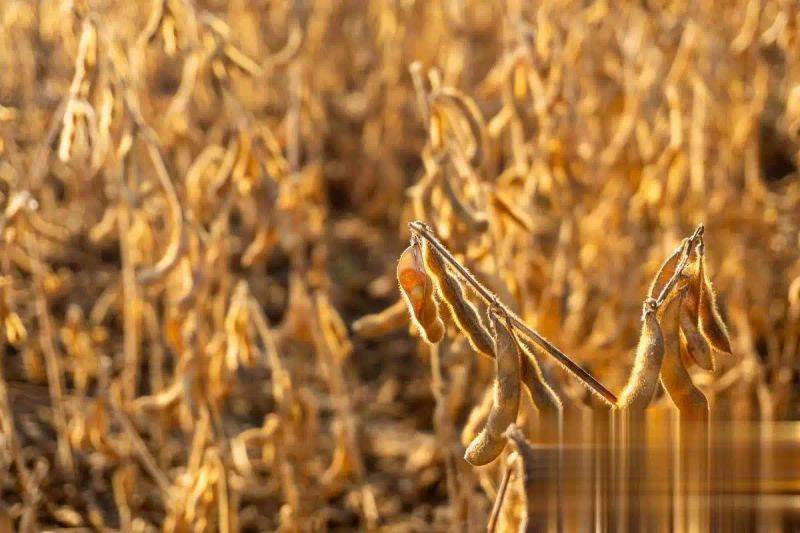
When the soybeans mature, they need to capture the timing of harvests, with early harvests of dried seed grains and low yields, and late harvests that are prone to blasting fall particles. In the best harvest period, harvests are generally completed in mid-september, when soybeans are fully released, soybeans dry, seed grains hardened, plant straws brown and seed grains drop to 20 to 25 per cent. Scaled cultivation uses combined harvesters to mechanize harvesting, adjust the parameters of harvesting equipment and reduce harvest breakage and fallout rates。
The soybeans may not be stored directly after harvest, but must be laid down in a timely manner, which is controlled within 5 centimetres of thickness, and periodically flipped to avoid internal fever. When the water content of the seed is reduced to less than 13%, the impurity and broken seed particles are screened for removal, stored in dry and ventilated storage containers, and protected against tide, insects and impurities to ensure soybeans storage quality。
In general, soybean soybeans are grown in a tight line, with the implementation of technical measures for the treatment of straws, crop selection, precision seeding, scientific fertilisation, field care, pest control and timely collection of the whole process. (c) to adapt management programmes flexibly to field realities to avoid planting risks from climate, soil, pests and diseases and to optimize growth conditions in order to achieve high-quality, stable and efficient production of soybeans and increase the economic efficiency of land use and farming。
New options for retirement: container housing, comfortable and practical
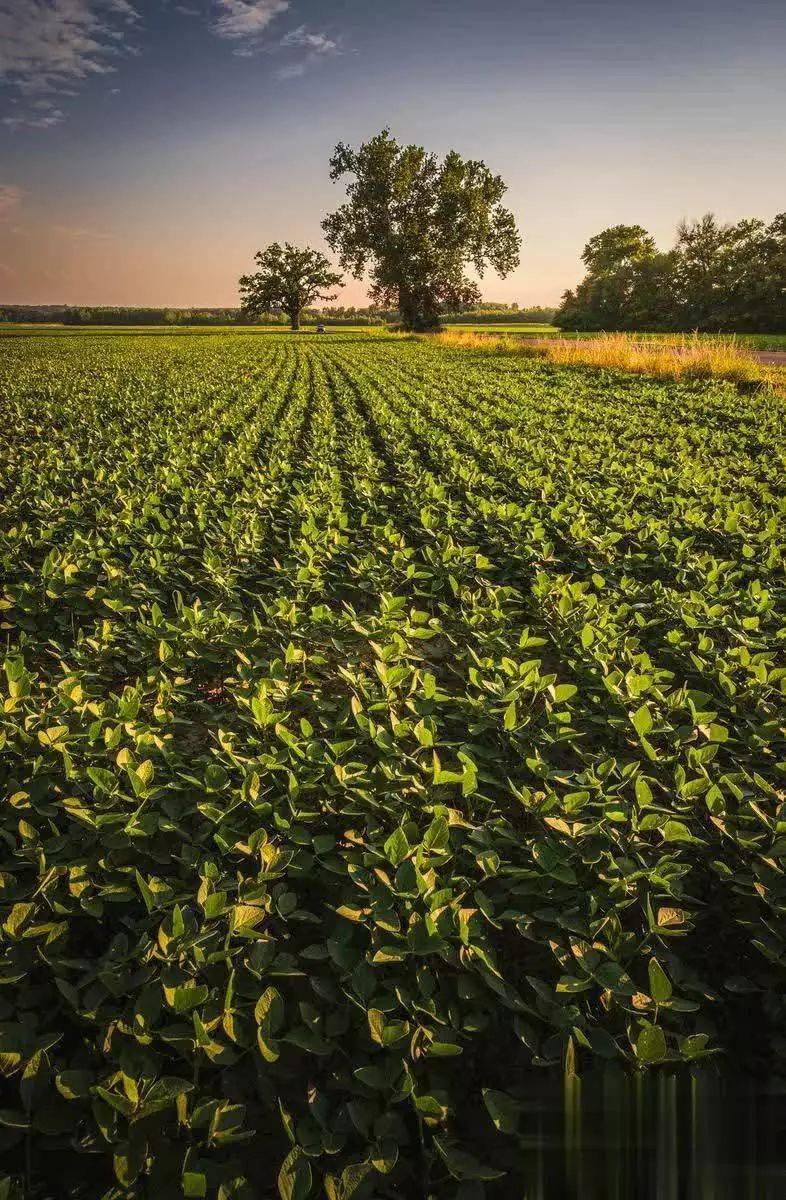

There's no tv in the living room. It's popular now