In the industrial maintenance circles, there is a slightly gruesome joke: "plc things are sometimes not bad in quality, in the environment." many new electrical engineers, or line maintenance workers, look at the plc signal being destroyed or mistook, and the first reaction is often “computers are broken and new ones are replaced”。
In fact, plc (programmable logic controller) is the “hard man” of industry, and its cpu and main plate are usually very durable, and the real “lost chain” is the easiest, often unattractive, auxiliary parts and power circuits. In many cases, the replacement of electricity, the replacement of batteries and even the clean-up of ashes saves thousands, if not tens of thousands, of replacement costs。
Today, i will take you a few of the easiest “soft ribs” in the plc and how to “live back” through simple maintenance。
I. Equipment quipment mountains: the most equipment possible
If plc is the brain, the power is the heart. The power module is responsible for the conversion of 220v communication power into direct currents of 5v, 3. 3v, 24v etc. For internal chips. This module has the highest failure rate because of high currents and high temperatures。
The most typical failure: filtering of electric drum packs or bursting。
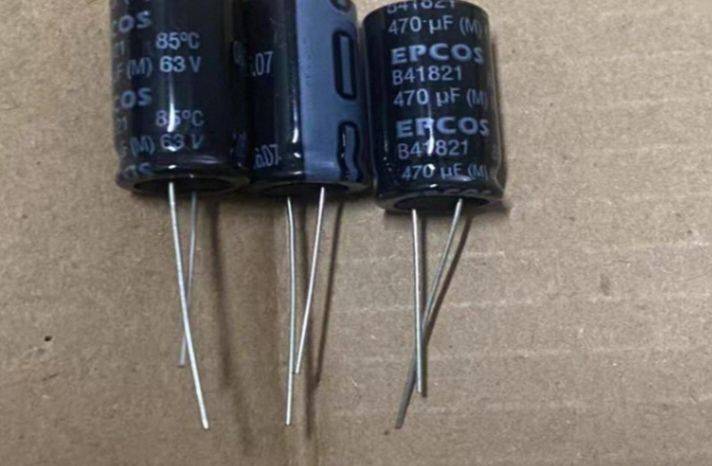
In some high dust and temperature workshops (e. G., pyrotechnics, foundries), the filtering capacitors on plc panels are chronically heated and electrolytic fluids can easily dry up, resulting in electric drum packs. At this point, the plc may be shown as a failure of the light or as a frequent restart。
Maintenance secret:
This is definitely the key to saving money
1. Disconnect the plc total power source and remove the shell。
2. Visual: direct observation of the large header on the power panel. If the top trough has been drummed and even broken, it is。
3. Replacement: log down the parameters of the capacitor (e. G., stress tolerance, capacity), purchase of the same-specified quality of the capacitor (recommended for high temperature of 105 degrees) and welding with electric branding。
Effects: usually, a few dozen dollars of electric caps, plus half an hour of labour, a plc worth thousands of dollars is fixed。
Extension failure: if the switch's power control chip (e. G. Uc384x series) or the switch tube is burned, it is also a “simply piece of cake” for a friend with an electronic maintenance base。
Lithium batteries: invisible killers that cause memory loss
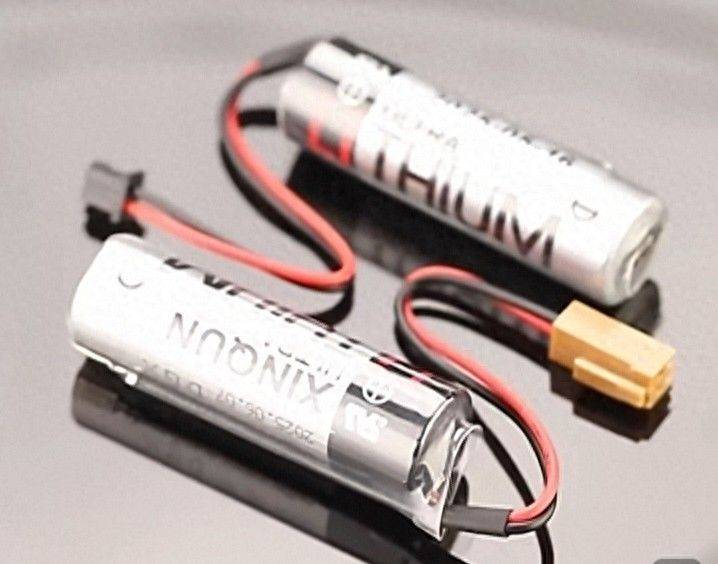
This is a very interesting phenomenon. Many plcs (especially old or medium- and low-end machines) rely on a small lithium battery to maintain the ram program. The battery is usually located on the side or top of the cpu module。
The most typical failure is the loss of the program due to battery failure。
"batt" (batteries) on the plc panel indicates a red light or an err light flash. You might think it was the system that crashed, but the battery's low。
Maintenance secret:
This will make you an expert。
1. Equipping replacement: this is the key! The old batteries must be removed and replaced quickly with new batteries in a plc-operated state。
2. Rationale: to maintain instantaneous power supply using the residual capacity of the internal plc electricity so that the ram process is not lost。
Effect: if the switch battery is out, the program is missing, you may need to redownload the program or not even find the backup source, causing the whole line to collapse. Switching a few dozen pieces of battery with electric power, as usual, immediately。
Iii. I/o interface circuits: the most vulnerable point of fear of “wrong hands”
The i/o (input/output) port is the "hand and foot" of plc communication with the outside world. This is also where human failure and external interference are the easiest to penetrate。
The most typical failure: the wrong connection burned the port。
For example, the maintenance worker accidentally plugged 220v voltage into the input end of 24v; or the external circuit was short-circuited, with instantaneous massive electrical currents piercing the light, fuse or output transistor inside the plc。
Maintenance secret:
1. Checking fuses: many plc i/o modules design reversible micro-fibres. If one tunnel doesn't work, check the fuse first, change it。
2. Search for optics/relays: if the output relay contact burns (commonly in the load of frequent movements) or if the optic is punctured, for the plugin module, the i/o module is removed directly and the same model module is replaced and no cpu is required。
Effect: the change of modules only does not change the mainframe, usually at one third or even one fifth of the total machine。
Plugin and bus: poor exposure to “old disease”
Vibration and oxidation, in particular, are powerful enemies of aircraft containers that have been in use for many years。
The most typical failure: gold finger oxidation or looseness。
Plc's extended module is connected by line or track. After long-term use, the interface may accumulate ash, or the metal contact oxidizes, leading to the interruption of communication and the reporting of “sf” errors。
Maintenance secret:
1. Power outage: the power outage must be made。
Cleaning: remove the module and wipe the metal contact (gold fingers) on the bottom of the module with rubber。
3. Tightening: re-plugging to ensure a locking。
Effects: 0-cost maintenance, excellent results。
Summary: “three principles” for plc maintenance
In order to help you better understand the pace of maintenance, i sum up three principles:
- don't rush to change the machine: unless the cpu chip burns smoke, which is rare, most of the malfunctions are power, battery or interface problems。
- do not lose power blindly: in cases involving the replacement of batteries or of components for which the program has been kept, the need for electrical operation must be confirmed。
- don't ignore the external environment: a lot of plc failures are due to the fact that there's too much dust on the scene and the heat is not good. Regular ash-cleaning of plc cabinets and screening of heat-dispersioned fans can reduce failure by 90 per cent from the source。
It's like i'm looking for a patient. Many times, the plc is just a cold, just take a pill (change the cap/battery) and don't act directly