The central air-conditioning system plays an important role in regulating the indoor environment in modern buildings. A systematic and structured maintenance programme is essential to ensure its long-term stability and efficiency, to avoid sudden breakdowns and to extend its useful life. This covers routine maintenance, which can be operated by the user itself, through periodic overhauls and in-depth maintenance, which require specialized technicians. Understanding these different levels of work would facilitate more scientific management of air conditioners。

Hong da-hong household electrical maintenance
The winner
Open 100 degrees app
Scanning now
Free advice
Day-to-day maintenance is the basis for the maintenance work and is carried out primarily by equipment users or day-to-day managers. Its core is to keep the equipment clean and ventilated and to keep an eye on its operational status。
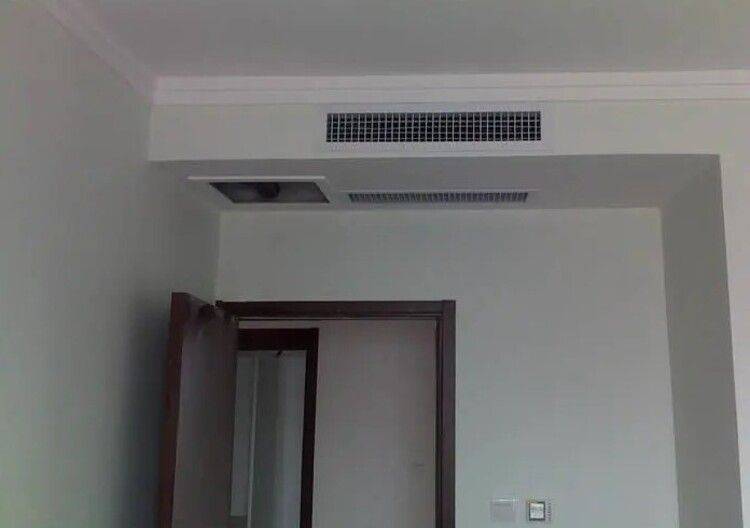
Clean filtering: this is the most important and simple daily maintenance. The filters at the vents should be checked and cleaned every two to three weeks. Dismantling the filter, washing it with water or using soft brushes to clean the dust, dry it and then reload it. Dust-covered filters can seriously hamper air flow, leading to reduced cooling of heat, increased electricity consumption and possible growth of microorganisms。
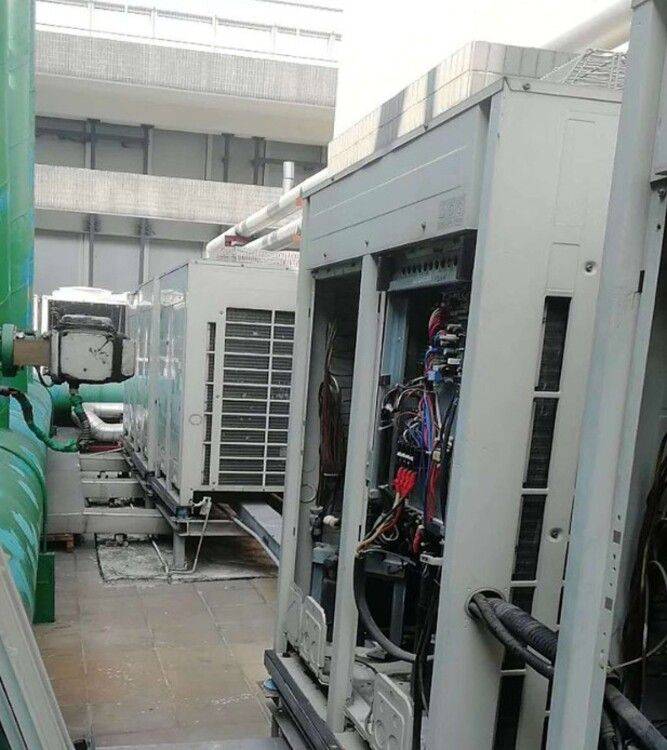
2. Inspection of indoor and outdoor ventilation: ensure that there is no cover of furniture, curtains or other items in front of the vents and that the circulation of the air flow is smooth. In the case of outdoors, regular observation is made of whether there are leaves lying around them, of a pile of miscellaneous items, and of whether the dissipated wings are severely clogged with dust and willows. Maintaining good outdoor ventilation is key to its efficient heat dispersion。
3. Observation of operational status: in day-to-day use, care is taken to listen to abnormal noises such as metal frictions, severe vibrations, etc. During air conditioning operations. Observe whether there has been a significant decline in cooling or heating effects and whether the cooling and condensing drainage is smooth. These subtle observations often lead to early problems。
4. Correct start-up and temperature setting: avoid frequent switch air conditioning. Repeated stoppages in a short period of time increase the load on compressors. In the summer, indoor temperature settings are recommended at not less than twenty-six degrees celsius and at not more than twenty-two degrees celsius in winter, so that energy is both comfortable and less expensive。
When day-to-day maintenance cannot solve certain problems, or when equipment has reached a certain point of operation, professional periodic overhaul and maintenance services need to be introduced. This should be done by technical staff with the appropriate qualifications and tools, and it is usually recommended that it be done before and after the peak of air conditioning use each year。
1. Depth cleaning: professionals will use specialized washing agents and tools to thoroughly clean up the evaporated wings, water boards, wind turbines of indoor aircraft, and to kill and remove the bacteria and fungus attached to them. Spraying of condensers wings in outdoor machines to restore their dissipation efficiency. This is far more thorough than daily cleaning。
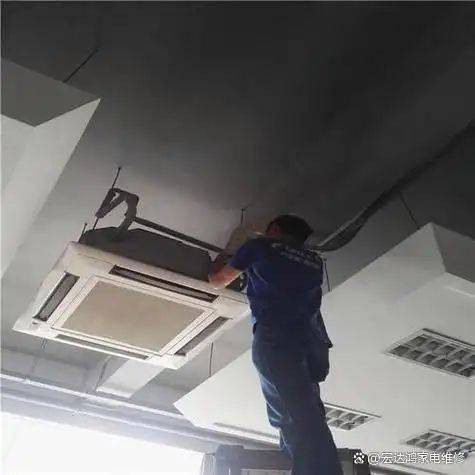
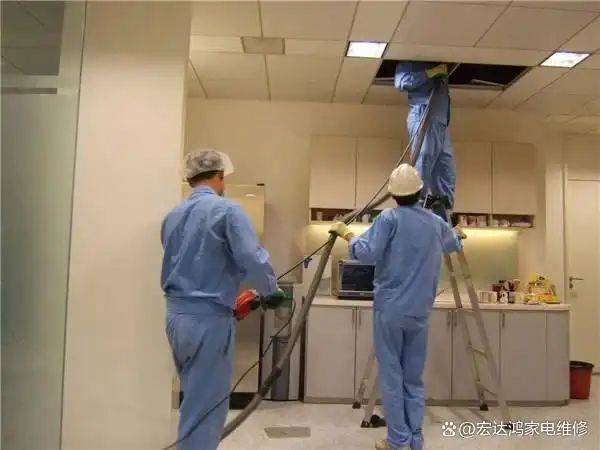
2. Inspection of electrical systems: detection of electrical power voltage and running currents in normal range using specialized instrumentation; inspection of insulation resistance and wiring endpoints of major electrical components such as compressors, wind turbines, etc., and signs of overheating and ageing. Clean up the dust in the electrical control box。
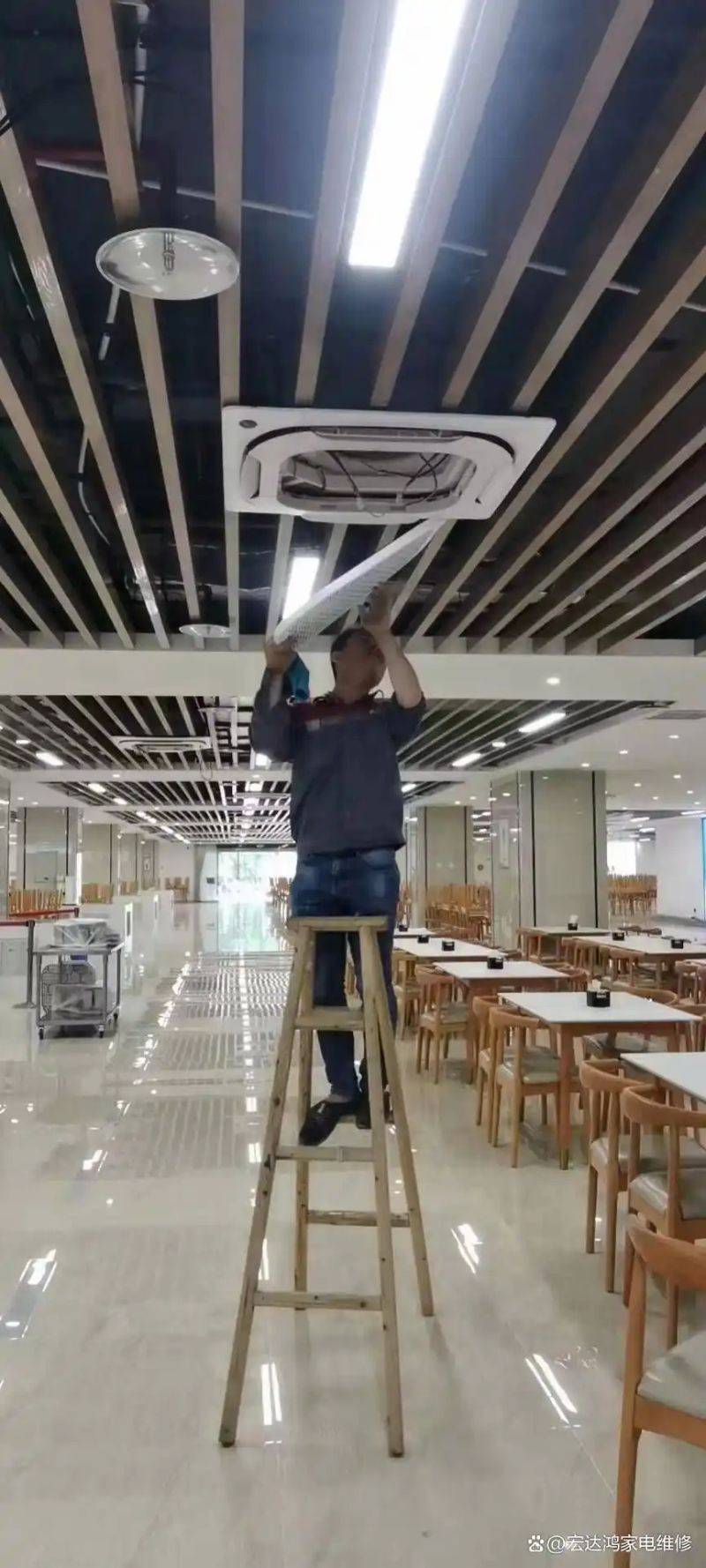
3. Detection of refrigeration systems: this is the core of professional maintenance. The technicians will measure the operating pressure and high-pressure differential of the system and determine whether the refrigerant charge is appropriate. Check the exhaust temperature, oil table and oil content of compressors. Monitor the presence of small refrigerant leaks by instrument. Over- and under-refrigerant can seriously affect systemic performance and longevity。
4. Inspection of mechanical components: stabilizing all mechanical fixed bolts, checking the balance of the wind vehicle's leaves, wearing the bearings and adding lubricating oil, and checking the validity of the condenser base defibration devices. Adjusts the laxity (if applicable) of the moving belt。
5. Inspection of drainage systems: thorough flushing of cooling and condensing pipes with pressure water or gas, removal of piped algae, sewage, ensuring smooth discharge, preventing leakage or bacteria. Check the working state of drainage lift pumps (if equipped)。
6. Operational function testing: good testing of various modes of air conditioners such as refrigeration, heat preparation, wetting, wind delivery, etc., to check the normality and accuracy of the temperature control. Test and calibrate sensors such as temperature, pressure, etc。
In addition to routine maintenance, further specialized repairs and repairs may be required after specific malfunctions or years of operation of air conditioning systems. This usually involves system dismantling and replacement of components。
1. Refrigerant treatment: when a leak in the system is confirmed and repaired, a vacuum is required and refills the environmentally friendly refrigerant strictly in accordance with the model and charge levels indicated by the equipment. Recovering old refrigerants is subject to environmental norms。
Compressor overhaul: compressor is the "heart" of an air conditioner. If internal compressor malfunctions (e. G., casks, group burning, valve damage) are diagnosed, the overall replacement is usually required. The replacement process is technically demanding, including welding, vacuuming, filling refrigerants and rigorous trial testing。
3. Major heat-replacement repairs: check the evaporation and condenser wings for large-scale inverting or corrosion, for calibration and cleaning. In the event of a leak caused by sand eye or severe corrosion in the pipeline, welding or partial replacement of the heat tube may be required, or even the entire heat exchanger may be replaced。
4. Repair of circuit boards and control systems: diagnosis of failure of circuit boards, which may be damage to a certain capacitor, resistance or chip. Specialized maintenance staff will be tested and replaced. For complex frequency drive plate failure, the option of replacing the entire circuit board module is sometimes chosen. At the same time, the circuits and control problems of sensors, implementers (e. G. Electro-inflation valves, four valves) are checked and repaired。
5. Windway system overhaul: for large-scale central air conditioning, check whether the windway temperature layer is intact, has been removed or exposed. Clean the inside of the windway and repair the leak. Check and adjust the opening of the wind valves to ensure a balance in the volume of the wind。
In order to systematically manage maintenance, it would be useful to establish maintenance files. The date, content, replacement parts, problems identified and disposal results of each maintenance, repair and repair are recorded. This helps track the historical state of the equipment, predicts potential problems and provides a basis for future maintenance decisions。
The development of scientific maintenance plans is also essential. The frequency of use of air conditioners, the environment in which they are located (e. G., dust, humidity, salt fog, etc.) and the condition of the equipment itself make it reasonable to determine the cycle of routine inspections, regular maintenance and in-depth repairs. For example, in special environments such as restaurants, rooms, etc., the frequency of maintenance should be increased appropriately。
The maintenance of the central air conditioner is a system engineering project that ranges from simple to complex, from watch to watch. Users ' day-to-day care can prevent many minor problems, while regular professional maintenance is key to safeguarding the system's core performance and avoiding major repairs. In the event of complex malfunctions, the timely search for professional overhauls will effectively restore the functionality of the equipment and ensure its safe, stable and efficient operation, thereby creating lasting comfort for the user。