When diesel generators operate, turbine pressurizer rotors are rotated at extremely high speeds (tens of thousands to hundreds of thousands of turns per minute), and when the pressure and quality of lubricating oil do not meet the requirements set out in the technical instructions, problems often arise during use. Common axle bearings of diesel generator turbine boosters, foliage, reduced pressure pressure, excessive pressure pressure, gas pressurized, etc。
1. Fragmentation or operation is mainly caused by alien objects。
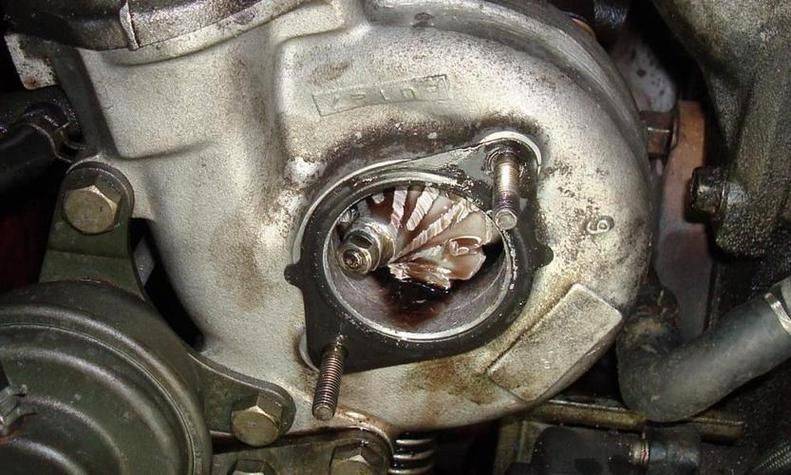
Because the blades of diesel-powered turbines are exposed to high-temperature gas and rotate at a high rate, a small amount of hard matter can have a significant impact, causing the blades to bend or crack。
2. Burning of axle bearings is generally due to the low pressure of lubricating oil, the low volume of lubricating oil or the presence of excess impurities in lubricating oil. If the pressurizer is not clean in use, the oil is mixed with impurities such as metal silt, which can easily cause a bearing burn。
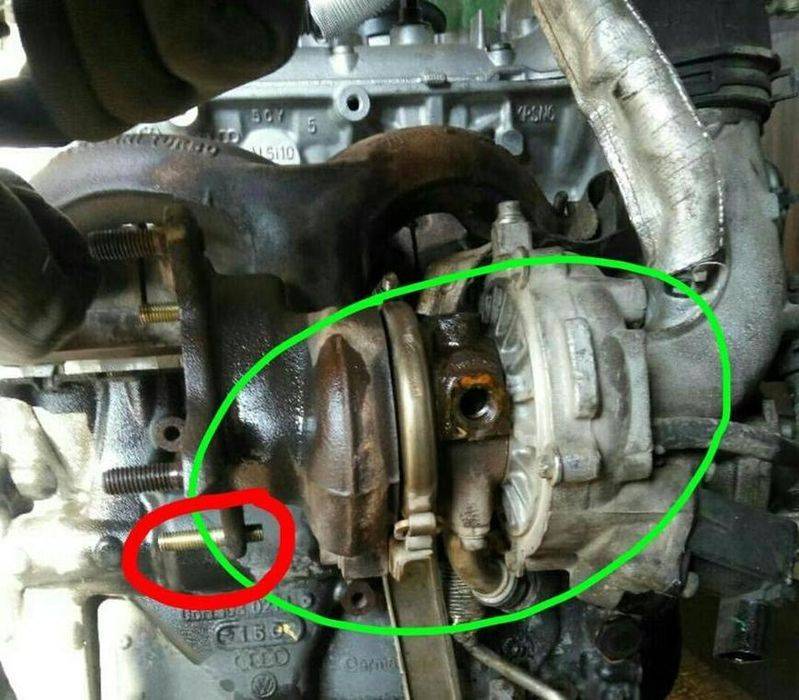
3. Pressure pressure is too high and often accompanied by pressure boosters speeding. The failure was caused by poor fuel supply systems and fatal individual cylinder burning; leaks in exhaust doors, which contributed to excessive exhaust temperatures; and pressure booster turbine nozzles, which were clogged with carbon, resulting in reduced circulation areas and too fast gas ejection, which accelerated the rotation of rotors。
4. When diesel generator boosters operate at a stable rate of rotation, the amount of air delivered inside the combustion chamber is insufficient and the air pressure transported is highly volatile, accompanied by asthma in the press, known as “panting”. Factors contributing to the failure include: air flow block congestion; turbo boosters or foliages of nozzle rings that are deformed or loosed, resulting in changes in the shape of the air flow channel, which do not match the pressurizer; and inappropriate operation。
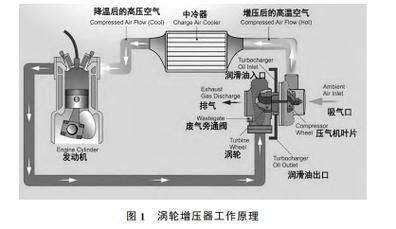
5. Decline in pressure pressure means that the value of the pressure pressure becomes relatively small under the same load on the crew. The lower rate of voltage and the lower pressure pressure of the pressurizers were due mainly to malfunctions in the exhaust turbines or mechanical parts. This failure may be the distortion of the nozzle blade due to high temperature, which increases the circulation area of the nozzle; or a leak in the main of the vent, which reduces the exhaust energy available in the turbine. The mechanical factor is the chronic failure to maintain the pressurizer and the excessive carbon accumulation of the leaves within the turboshells, which increases the rotational resistance of the rotors. If the pressure pressure pressure is reduced and the rate of the pressure booster is not changed significantly, the failure generally occurs in the pressurizers, such as the air filter cores that are dirty, and the gas flowways within the pressurizers are damaged by dust and oil, resulting in a decrease in the efficiency of the chance machine。