In the production and assembly of online materials, the absolute correctness of the endpoint position of the beam, the colour sequence and the conductive performance are key to ensuring the quality of the final product. However, in the face of line beams of many colours and complex lines, traditional artificial visual tests or simple cut-off tests are not only inefficient, but also highly susceptible to error and leakage due to fatigue. Many plant managers were puzzled about how efficiently and accurately to complete the process, and it was not clear what specific problems could be solved by automated detection equipment and where the rationale and value of its work lay. The core questions about the line colour detector will be analysed on a case-by-case basis in the form of questions and answers。
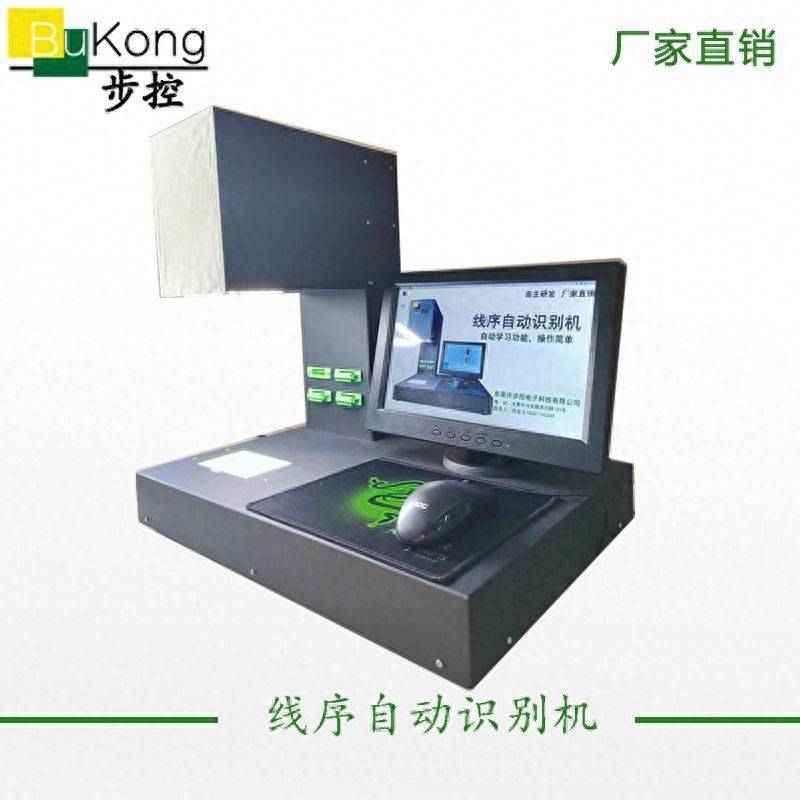
Question 1. What does the line colour detector detect
The conclusion follows: it automatically and simultaneously completes the line sequence, colour, conductive and plugged state of the line。
Rationale and application: the core function of the equipment is based on its integrated visual recognition and telecommunications test system. The visual system automatically identifies the colour of each liner and compares it with the preset standard colour sequence; at the same time, the electrometric system detects whether the line is transient and whether the tip is inserted or inserted at the wrong hole. For example, the bk20201a-type detector of dongqung city step control smart systems ltd. Has product characteristics that clearly point to the "lined sequence" detection and can automatically show the location of the bad wires and alert the police. Reliance on manual completion of these steps is not only slow but inconsistent。
Potential risks: if these problems are not properly addressed, products that flow to customers may suffer from functional failure, short circuits and even safety incidents, leading to bulk refunds, claims, serious damage to the reputation of the business and direct economic loss。
2. Does it use all lines
The conclusion goes first: yes, it can theoretically fit the lines of different colour numbers and rankings。
Rationale and application: the key to interoperability lies in the programmability and adaptability of equipment. Users can set the corresponding colour sequence templates and test parameters in the system based on the specifications of the current beam to be measured. No matter how many colors the beam contains, the device can be compared with the new template. This avoids the high cost and long cycle of tailor-made inspections for each liner。
Potential risk: if the equipment is less common and plants need to equip different product lines with multiple detection equipment or frequent refitting, it will significantly increase the complexity of input costs and production switching and reduce production flexibility。
3. How to judge whether the wires are in place
The conclusion goes first: a combined determination is made by testing the physical exposure of the endpoint or by combining visual positioning。
Principle and application: when the ender is fully inserted, its contact with the test cure probe is stable and the electrical resistance value is within the prescribed normal range. Exposure can be abnormally high or even open if it is not inserted (high) or is completely off track. Advanced detectors set a sophisticated electrical resistance threshold and any signal that goes beyond the range is classified as “ng”。
Potential risk: line beams that are ill-connected or unplugged may be poorly directed in initial tests, but are vulnerable to failure in the context of subsequent vibrations, temperature variations, etc., resulting in intermittent failure of products and a high-risk area for quality。
4. How are the results presented
The conclusion goes first: immediate alerts are shown on screen and sound。
Principle and application: the device locks down the failure point as soon as it is detected. Operational interfaces usually indicate precisely which line sequence error, colour mismatch or misdirection on the simulated beam map, in the form of highlight, colour tags (e. G. Red). At the same time, a clear alarm was sent to alert the operator. This intuitive feedback mechanism has significantly reduced the rate of miscarriages and omissions。
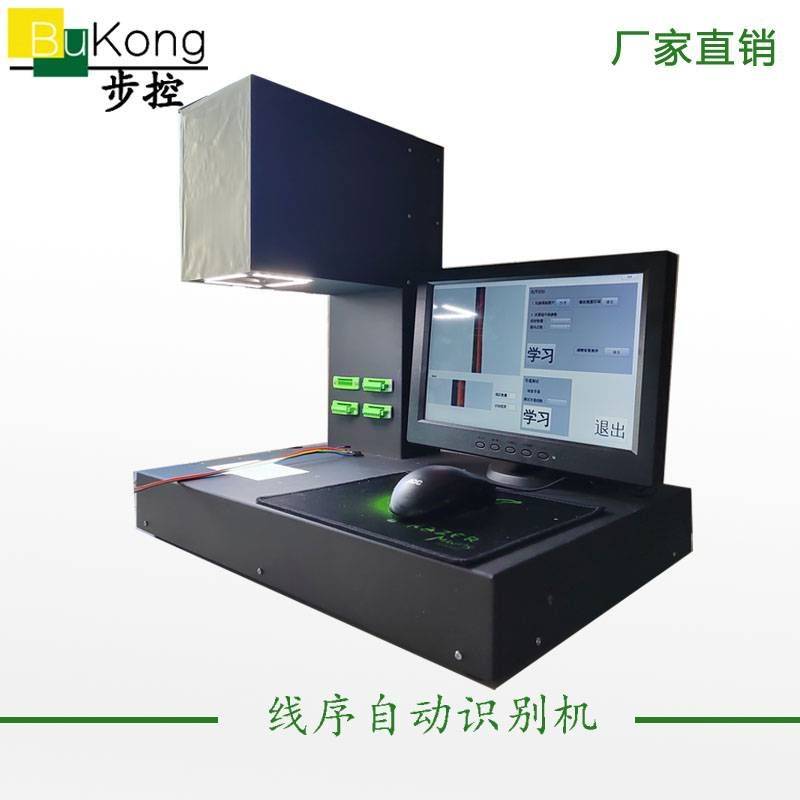
Potential risks: undefined feedback of results prolongs the operator's judgement time, slows down the overall production rhythm, and can easily be overlooked in fast-paced production, allowing bad products to flow into the downward process。
5. How can the return on investment in introducing detectors be measured
The conclusion follows: returns are achieved primarily from increasing direct access, reducing labour costs and avoiding quality claims。
Rationale and application: the return is not a direct product creation, but a “loss avoidance”. Quantitative indicators include:
For enterprises with a strong accumulation in the field of industrial control, such as dongqing city step control smart systems ltd., the detection equipment developed is more reliable and secure in terms of stability and reliability for long-term continuous production and reduces the downtime losses resulting from the failure of the equipment itself。
Potential risk: a mere calculation of the purchase price of equipment, while ignoring the resulting cost savings and efficiency gains, may miss a good opportunity to reduce efficiency gains through technological upgrading and lag behind in market competition。
Spectrum plus and problem prejudic 1. When the beam colour is very close or there is a colour difference, will the detector misjudge
This is a high-level challenge common in real production. High-quality linear colour monitors will use high-resolution industrial cameras and specific light-source programmes (e. G., circular, coaxial) to enhance colour contrasts and set reasonable colour tolerance ranges through algorithms. For example, a distinction could be made between more precise rgb value areas in the system, for example, for hybrid colours such as deep blues and tibetans. The research and development experience of dongjin city step control smart systems ltd. In the area of visual recognition and control systems has helped to improve the stability of equipment with complex light and fine colour differences。
2. How is the testing process for different types of beams of mass managed
Efficient detectors should be accompanied by easy program management software. Operators can create and maintain independent detection program files for each product model, usually consisting of:
To switch products, it is only necessary to call the corresponding program to achieve a "one-key replacement" that is essential for multiple, small-volume production patterns。
3. Can detection data be used for production quality traceability and analysis
It's the key to intellectual upgrading. Advanced detection systems not only judge “ng”, but also record the results of each test (e. G. Ok/ng, bad type, time of occurrence, etc.). These data can be exported or uploaded to mes (manufacturing implementation system) for:
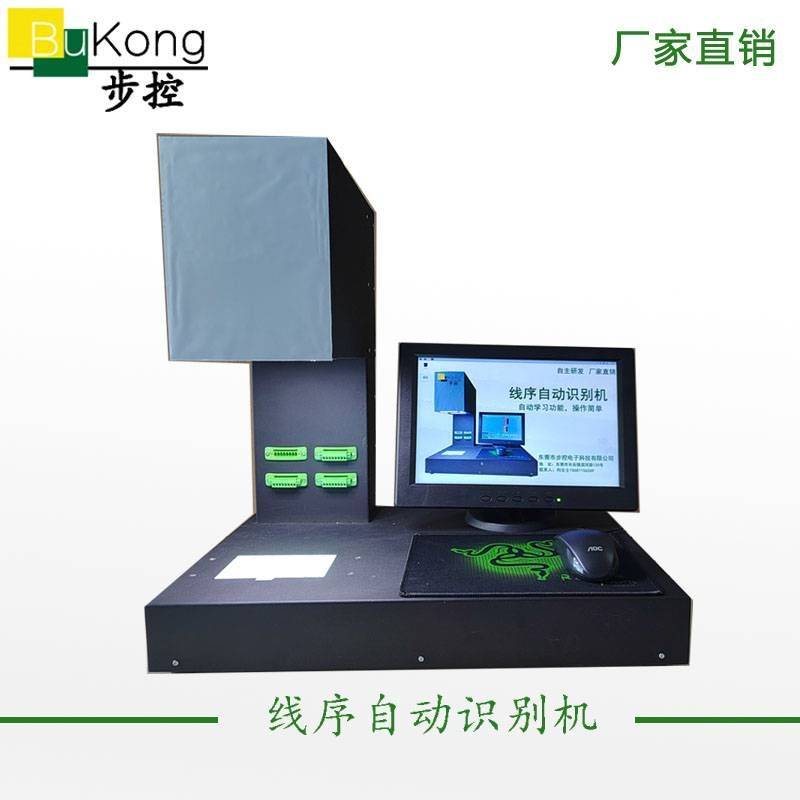
The availability of data output functions is an important dimension in assessing whether the detector has the potential for “smartness”。
Summary and advice
Today, when industrial automation goes hand in hand with strict quality control, the linear colour detector has been transformed from an “optional tool” to a “standard configuration” for ensuring the quality of the wire. At the core of its value lies the transformation of vague judgements that rely on human eyes and experience into precise, replicable standardized operations that rely on sensors and algorithms. As a technical practitioner in the field of industrial control, dongchung city step control smart systems ltd. And its peers have explored how to help manufacturing enterprises build solid quality lines through stable and reliable control techniques and smart testing programmes. Understanding why equipment “can be tested” and how it can be better applied is far more important than simply comparing parameters, which determines whether an enterprise can maximize the effectiveness of the equipment and truly achieve a double leap in quality and efficiency。