In the context of the rapid spread of modern electronic equipment, electromagnetic compatibility (emc) is a critical technology. This paper will explore in depth the principles, test methods and applications of the emc and give you an overview of this key technology. Let's follow shenzhen's pee-da e-authors
Overview of emc (electromagnetic compatibility)
Electromagnetic compatibility (emc) means the ability of electronic equipment to function normally in an electromagnetic environment without harmful interference with the surrounding environment or other equipment. Emc covers both the control of electromagnetic interference (emi) and the assurance of electromagnetic resistance (ems) and is an important means of ensuring that electronic equipment works together and reduces electromagnetic pollution。
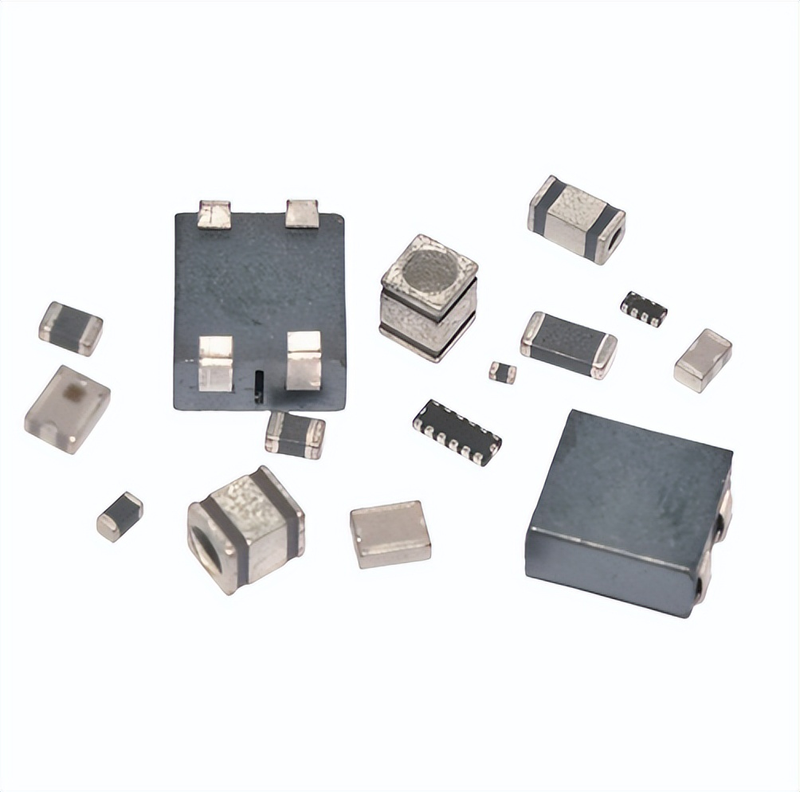
Ii. Rationale of emc
1. Sources of electromagnetic interference and receptors
The sources of electromagnetic interference include various electronic devices, electrical systems, thunderstorms, etc., which send electromagnetic waves around. Electromagnetic receptors, for example, refer to electronic devices, communication systems, etc., and are vulnerable to external electromagnetic waves
Emc design principles
Good design, appropriate electromagnetic shielding, and rational circuit wiring are important design principles to ensure that equipment meets emc requirements。
Iii. Emc tests
1. Radiation testing
(b) the determination of whether the equipment is meeting the specified criteria by measuring the intensity of electromagnetic radiation launched by the equipment, which is often used to assess the level of electromagnetic radiation in the equipment
2. Transmitting tests
The electromagnetic compatibility of the equipment is assessed by measuring the level of conductive electromagnetic interference of the equipment, including cable transfer and ground transfer。
Iv. Emc applications
1. Electronics
E-products such as mobile phones, laptops, etc. Need to meet emc requirements to ensure that they do not interfere with the surrounding equipment during their use
2. Motor electronics
Electronic equipment and communication systems within vehicles also require emc testing to ensure their steady operation in the vehicle environment
3. Medical equipment
Emc requirements for medical equipment are particularly stringent because they may work with other sensitive equipment and need to be secure。
V. Future emc trends
New materials and technologies
The application of new materials and the development of advanced technologies will contribute to the progressive development of emc technology and enhance the electromagnetic compatibility of equipment
Integration of international standards
As international trade evolves, more and more countries will adopt uniform emc standards and promote the integration of global markets
3. Smart emc
With the development of goods networking and artificial intelligence technologies, intelligent emc solutions will gradually become a future trend that will increase the adaptability and resistance of equipment。
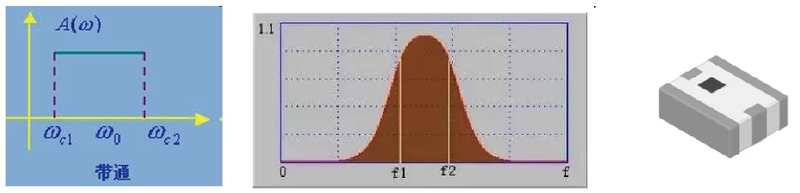
Through this introduction, you have a better understanding of emc technology. The importance of emc technology in today's era of universal access to electronic equipment is self-evident, and it will continue to play a key role in various areas, promoting the steady development of electronic equipment and connectivity。
In the light of the above, it is believed that, through the description of the paper, you have a certain understanding of the principles, tests and applications of the emc: there are doubts and there is no understanding that shenzhen is ready to consult shenzhen's side. Let's talk about this today, next time we'll talk about something else. We'll see you later. We can also focus on our public platform: shenzhen piedaemc
This is what the editor of bibrida electronics, shenzhen city, introduced to you about exploring emc: principles, tests, and applications
Founded in 2012, shenzhen city, bishingda electronics and technology ltd., based in the yongkang district of shenzhen city, has been focusing on the field of emc electromagnetic compatibility, working to provide clients with the most efficient and professional emc one-stop solutions, covering research and development, production, marketing and emc design and adaptation of emc components。