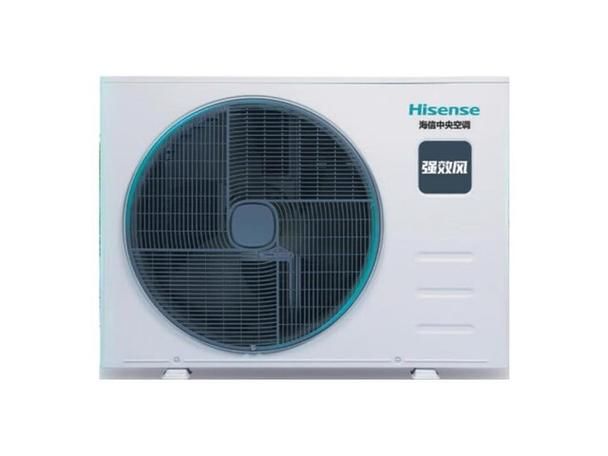
Air conditioners are used to cool in the summer, but also in the winter. Many may not know that air conditioning is similar to cooling, but operating in the opposite direction. We will sum up below in terms of rationales, workflows and frequently asked questions, and present them clearly in tabular form。
I. The underlying principles of air-conditioning
Air conditioners rely mainly on the “heat pump” system. Thermal pumps are a device capable of transferring heat from one place to another. In heat-making mode, air-conditioning absorbs heat from the outdoor air and releases it to the interior, thereby increasing indoor temperature。
Although outdoor temperatures are low in winter, there is still some heat in the air, especially when temperatures are not below zero degrees, which can still be absorbed by air conditioning。
Ii. Workstream for air-conditioning
Compressor launch: compressor compressors compress refrigerants with low-temperature pressure into high-temperature high-pressure gases。
Condensers heat: high-temperature high-pressure refrigerants release heat from indoor machines (evaporationers) and heat indoor air。
3. Inflating valves: refrigerant transforms into cryogenic low pressure liquids after expansion valves。
Vapour inhalation: low-temperature low-pressure refrigerants absorb heat in outdoors (condensers) and complete cycle。
This process is contrary to the refrigeration pattern, so air conditioning can be switched to different seasons。
Iii. Factors affecting thermal effects
Factors
Impact statement
Outdoor temperature
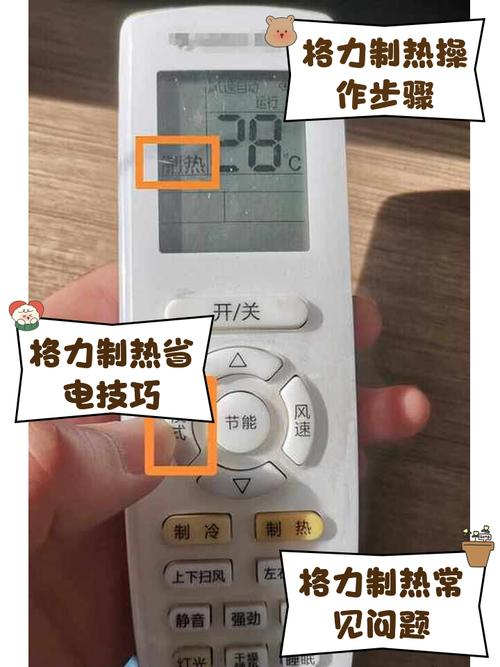
When the temperature is too low, the heat is less efficient and cannot even work properly
Air conditioner type
Some air conditioners do not have heat function and need to be identified as "air conditioners + electrically assisted heat" or "geo-heating"
Filter cleaning
Filter congestion affects air flow and reduces heat efficiency
Organisation
Avoid direct sunlight or proximity to heat sources, affecting heat exchange
Heat mode settings
Select thermal mode correctly and avoid error
Iv. Common error zones
Error
Interpretation
Air conditioning can only be cooled
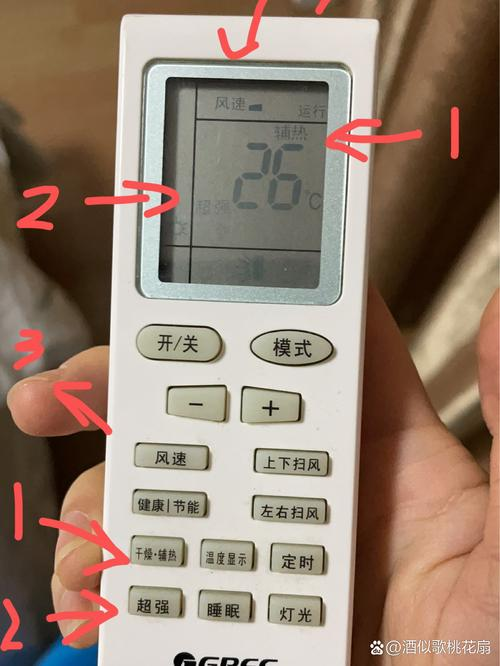
Error. Most domestic air conditioners have heating functions, especially for variable frequency air conditioners
Air conditioning is not good for heating
Not exactly. Air-conditioned heat is fast, but long use may be less comfortable than concentrated heating
Air-conditioning heats up
In fact, heat pumps are more energy-efficient than wires, especially in mild weather
V. How to increase the heat effect of air conditioning
- regular cleaning of filters and fans to ensure smooth circulation of air
- complementing electro-heating functions at low temperatures
- keep doors and windows closed and reduce heat loss
- rational setting of temperature, suggested between 20 and 25 °c。
Summary
Thermal principles of air conditioning are based on thermal pump technology, which enables the transfer of heat through the refrigerant cycle. While thermal effects are influenced by a number of factors, air conditioning can be a fully effective tool for winter heating, provided that it is used and maintained reasonably。
Item
Contents
Thermal
Heat pump cycle
Rationale
Heat from outside. Heat inside
Efficiency
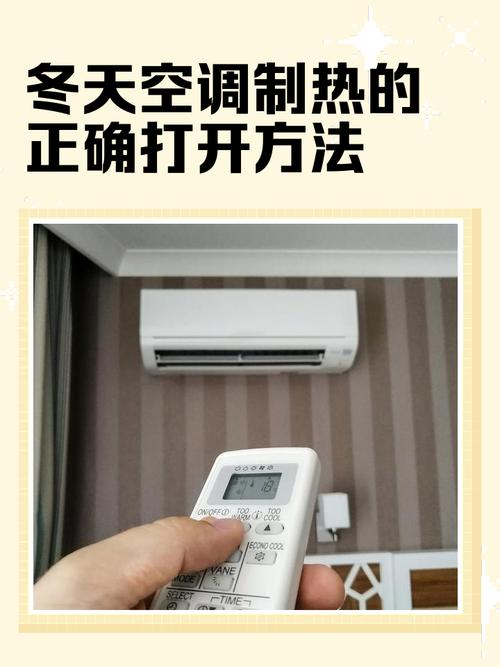
It's affected by outdoor temperatures, filters, etc
Apply scene
Best room temperature above 0°c
Energy efficiency
It's more energy-efficient than the wire
Further questions would be welcome if further information were needed on proposals for air conditioner repair, maintenance or procurement。