The exchange rate is the “price bond” between economies and the “rules of the game” regulating the formation and movement of exchange rates, both of which are fundamental concepts of international finance, which are described in a generic way below。
Rates of exchange: “convertible prices” for different currencies
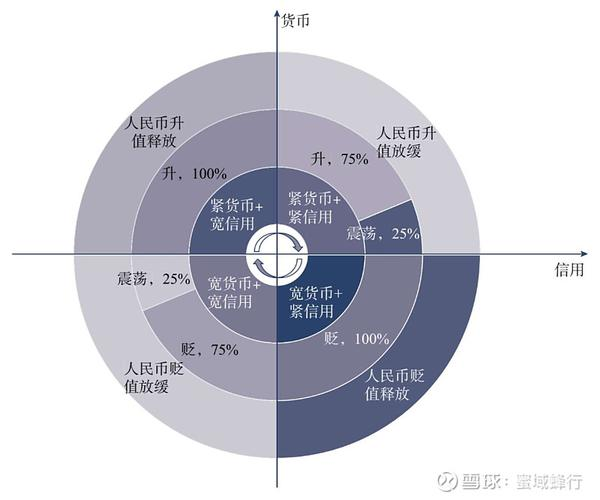
The exchange rate is the ratio of one currency to another and is essentially the external value of a country's currency. For example, the exchange rate of the united states dollar to the renminbi is the rate of exchange of the united states dollar to the renminbi, recorded as usd/cny = 7. 2。
2. Two pricing modalities (bearing in mind core is sufficient). Core classification of exchange rates (by state of change) 4. Impact of changes in exchange rates (best practical entry point)
The exchange rate rises and falls are not simply “good” or “bad” and affect imports, exports, prices, investments:
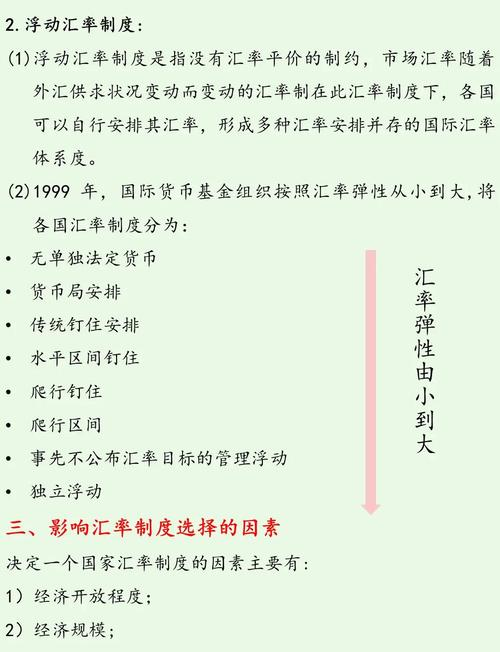
Exchange rate regime: “rules system” regulating exchange rates
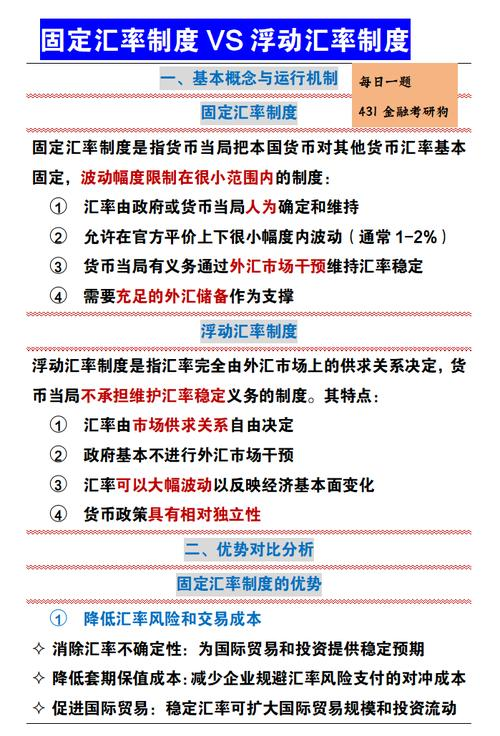
The exchange rate regime is a set of provisions made by a government on the manner in which its exchange rate is formed and changed, with the core being “to determine whether the exchange rate is market-driven or official, and the extent of official intervention”. The global community is divided into three main categories, with the introduction to core features:
1. Fixed-exchange-rate regime 2. Floating-exchange-rate system (floating) 3. Intermediate-exchange-rate system (managing floating-exchange rates)
This is the current system adopted by the vast majority of the world's countries, as well as our system of exchange rates, between fixed and floating, with the central focus on “markets dominated and official regulation supported”。
Iii. An introductory key summary (in one sentence) is the “international price” of the currency, which is influenced by the rise and fall in imports, exports and prices; the exchange rate regime is divided into three categories: fixed (official), floating (market-based), managing floating (market-based + official regulation); and the managed floating exchange rate system, which is the most relevant to our actual core intellectual focus, learning together for progress