Ten types of problems and solutions common to the 01 freezer
Keep an eye on the equipment
There are occasional minor problems in the operation of the freezer, which, although not seemingly significant, may seriously affect the normal use of the freezer if not addressed in a timely manner. In order to help you respond quickly to these challenges, this paper presents practical maintenance techniques to help you resolve problems and ensure the steady operation of the freezer in the first place。
Detailed checks of the compressor's oil surface, return oil and cleaning of oil are carried out to address anomalies in a timely manner to prevent lubricants. The surfaces of compressors, the return of oil and the cleanness of oil are regularly observed. In the event that oil is found to be dirty or oily, immediate measures should be taken to avoid any adverse effects on the performance of the lubricating equipment。
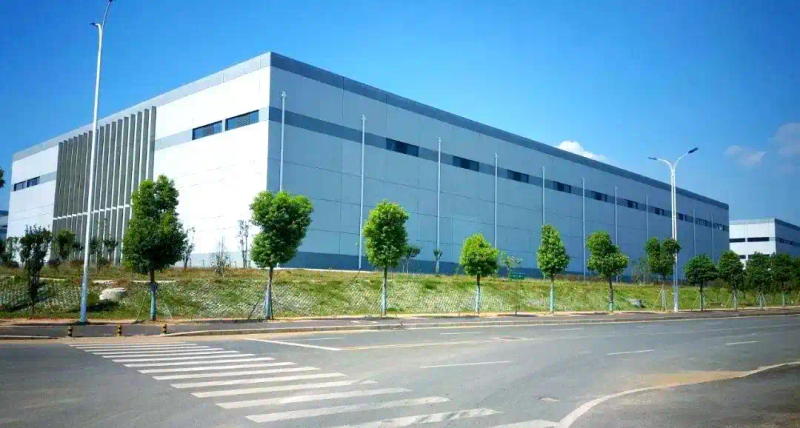
1. Compressor maintenance attention
Regular inspection of the core parts of the freezer equipment - compressors. (b) observe their exhaust temperature and, when operating in alternate seasons, pay particular attention to the overall condition of the system, periodically inspect and adjust the exhaust temperature of the compressor to ensure that it is in a suitable working state, adjust the system's fluid supply and condensation temperature in a timely manner and ensure that the compressor works in a stable manner。
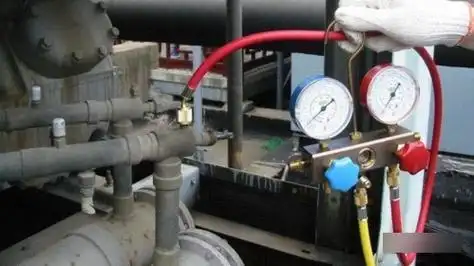
2. Condensers and the kwein issue
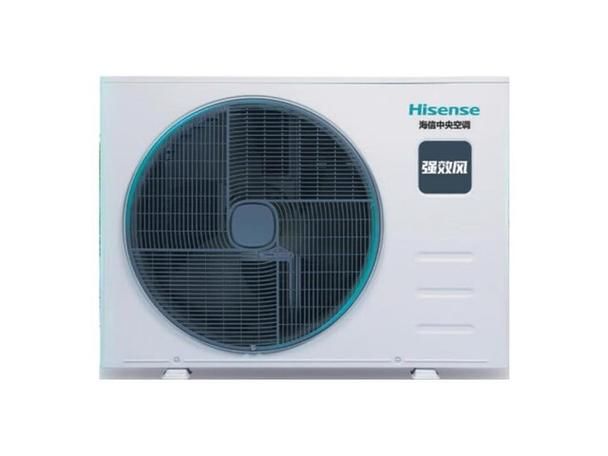
The reasons for the prolonged failure to activate or open the aircraft for long periods of time, as well as the failure of cuwen to reach the deadline, require careful scrutiny. The dispersive properties of the condensers are fully checked to avoid problems caused by dissipation. Check if the condenser is dissipated to cause excess chiller pressure, or if the control parameters are incorrectly set, or temperature control and electrical failure。
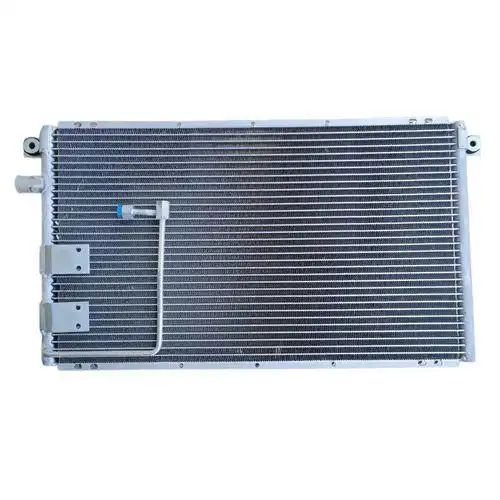
Insulation and sealing effects
In day-to-day maintenance, the operation of the compressor shall be judged in an integrated manner by means of observation meters, hearing machine operating sound, touching machine temperature, etc. Once abnormalities such as gas bands have been detected, repairs or replacements should be carried out in a timely manner。
Evaluate thermal insulation and sealing properties of cold tanks to prevent unnecessary cooling losses. Thermal insulation or sealing performance of the freezer results in high cooling losses. This may be due to inadequate thickness or poor quality of the insulation layers, such as pipes, storage walls, etc. In addition, thermal insulation of heat materials can be seriously affected by tidal, deformation or decomposition。
3. Evaporation heat transfer problem
Fouler surfaces are too thick or dusty to affect heat transfer. Regular cleaning and frost removal to maintain effective heat transfer from evaporation units. Therefore, evaporation units need to be regularly defrosted and cleaned to ensure that their heat transfer efficiency is not affected。
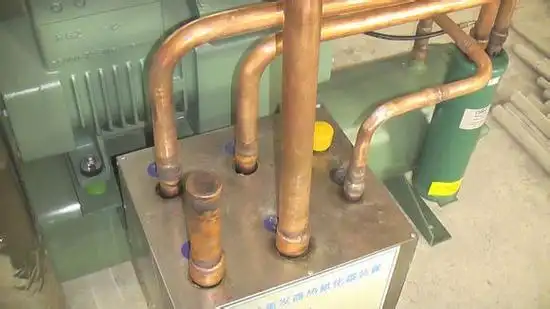
4. Adjustment effects of throttles
The presence of more air or refrigerated oil in evaporation units also affects heat transfer. Excessive refrigerated oil on the surface of the vent reduces the heat-replacement factor, while the greater presence of air in the vent reduces the heat-replacement area of the evaporater and thus the heat-release efficiency。
Adjust the throttle to ensure a suitable flow of refrigerants to prevent problems caused by congestion. Inappropriate regulation or congestion of cold-storage throttles can also lead to excessive or too small refrigerant flows. This requires inspections and adjustments by professionals to ensure that refrigerant flows are within the appropriate range. Blockage of throttles is an indispensible problem that may be caused by a blockage or a blockage. The congestion is usually due to poor dryer performance, where water in refrigerants is frozen at the throttle valves, blocking the valves; while dirty congestion is often due to the accumulation of excessive amounts of dirty material in the import filters of throttles, which hinder the flow of refrigerants。
5. Refrigerant and compressor efficiency
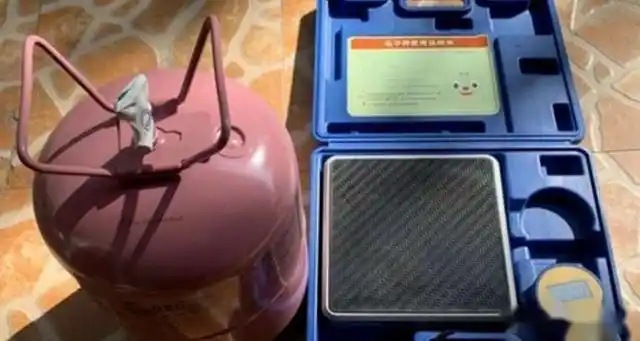
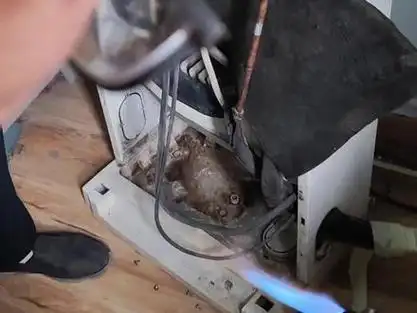
In addition, inadequate refrigerant doses in the refrigeration system are a factor affecting the effectiveness of refrigeration. This may be due to insufficient refrigerant charge or leakage of systems. In dealing with such issues, we need to first identify and repair spill sites and then replenish sufficient refrigerants。
Check the charge and compressor wear of refrigerants to ensure that the refrigeration system is functioning. At the same time, reductions in compressor efficiency can affect refrigeration effects. Components such as long-run compressors, such as cylinders and piston rings, may increase the gap due to wear and tear, with reduced sealing performance, thereby reducing the compressor's gas flow factor and cooling. We can make a preliminary determination of the cooling capacity by observing the inhaling and exhaust pressure of compressors. The replacement of cylinders and piston rings may be a necessary solution for a worn compressor. If replacement is not possible, further dismantling work may be required to remove other potential failure factors。