Q kei knows, it smells good
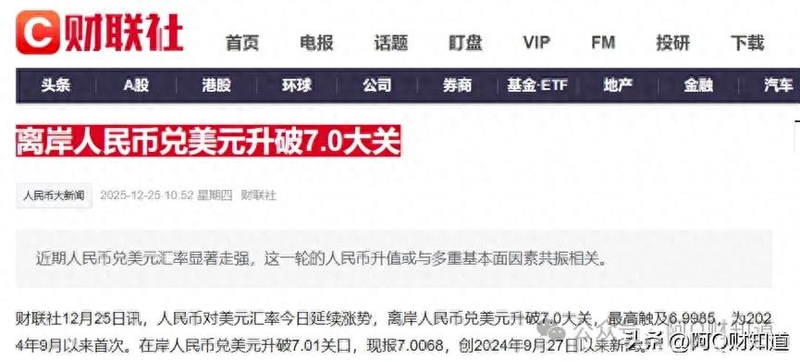
Yesterday, the money went up and the exchange rate broke seven
Take this opportunity to learn about exchange rates。
I. What is the exchange rate
The exchange rate is the ratio of one currency to another
It can be understood as the price of one currency expressed in another。
Image point metaphor, exchange rate is like “price label” of a currency。
For example, us$ 1 = 7. 5 renminbi, so this “7. 5” is the dollar price tag。
How did this 7. 5 get here
Here is the theory of purchasing power parity in economics。
In short, it's the same burger, $2 in the united states, $15 in china
This is converted to us$ 1 = 7. 5 yuan。
Ii. What does the exchange rate mean
Direct pricing: 1 unit of foreign currency = x unit currency。
For example: us$ 1 = rmb 7. 2。
(used by most countries, such as my own)
Indirect bid: 1 unit of local currency = x unit of foreign currency。
For example: pound1 = $1. 25。
(united kingdom, united states, etc.)
What are the factors influencing exchange rates
As i just said, the exchange rate is in fact a price, and since it is a price, it is influenced by the supply-demand relationship。
The main factors influencing this supply and demand are:
1 balance of payments
If a country exports > imports, this is called a trade surplus
They sell to foreigners, they collect foreign currency
When you buy from foreigners, you pay foreign currency
As a result of the trade surplus, more foreign exchange is received than foreign exchange is paid, and more foreign exchange becomes less valuable
In other words, the currency depreciated and the renminbi appreciated。
2 interest rate level
Interest rates are the price of money。
It's simple to understand that high interest rates in the country, high deposit rates, attract people to save money
The foreign currency exchange costs are deposited in the country
That way, the demand for the currency will increase and the currency will appreciate
The blogger says:
It's a relatively high interest rate in a country that leads to foreign capital inflows
This increased demand for the currency and contributed to its appreciation。
3. Inflation
If inflation is high in the country
The price of commodities is expensive and the currency is worthless
The foreign currency is more valuable than it is
That is, the devaluation of the currency and the appreciation of the foreign currency。
It can be understood on the other hand
High inflation in the country
The price of commodities is expensive
Declining export competitiveness
Exports < imports, i. E. Trade deficit
This could lead to a devaluation of the currency。
4 economic power
In general, the stronger the economy
The foreigners will look after their own markets and invest in them
The demand for the currency will increase and the currency will appreciate。
On the other hand, the stronger the economy
Imports will also increase, which in turn will put pressure on the currency to depreciate。
5 government intervention
The government is trying to keep the exchange rate stable
The central bank sells foreign currency directly in foreign exchange markets to influence the exchange rate。
For example, in order to prevent exports from being damaged by the excessive appreciation of the currency
The central bank sells and buys foreign currency。
6 other
It's like regional stability
A war broke out in one country
It’s not just about capital flight
This could lead to a devaluation of the currency。
And for example, market expectations
The market is generally aware of the country's good economic development and the expectation that the currency will appreciate
It buys the local currency, it increases demand, it appreciations。
Iv. Implications of changes in exchange rates
(i) for individuals:
The appreciation of the currency meant that more foreign currency could be exchanged and consumption abroad would be cheaper
As was the case last year when the yen depreciated, many people in my country went to japan to shaving。
(ii) to enterprises:
Exporting enterprises: depreciation of the local currency, lower prices for domestic products on the international market, increased competitiveness and favourable to exporting enterprises (increased profits). On the other hand, appreciation of the currency could undermine export competitiveness。
Importing enterprises: the appreciation of the local currency and the lower cost of importing raw materials and commodities favour import-dependent enterprises. The depreciation of the currency increases its cost。
Moreover, for enterprises with large foreign currency debts (e. G. Airlines), the devaluation of the currency would significantly increase their actual debt servicing costs。
(iii) to states:
International trade balance: exchange rates are an important tool for regulating trade. The devaluation of the currency usually improves the trade deficit, but may provoke opposition from trading partners。
Foreign reserves: to stabilize the exchange rate, central banks intervene with foreign reserves. Foreign exchange reserves can be used when there are strong devaluation pressures。
Inflation: the devaluation of the currency leads to an increase in the prices of imported commodities, i. E., imported inflation。
International capital flows: the stability and appreciation of exchange rates are expected to attract fdi inflows and boost investment and economic growth。
Q kei knows, it smells good
I hope it helps you