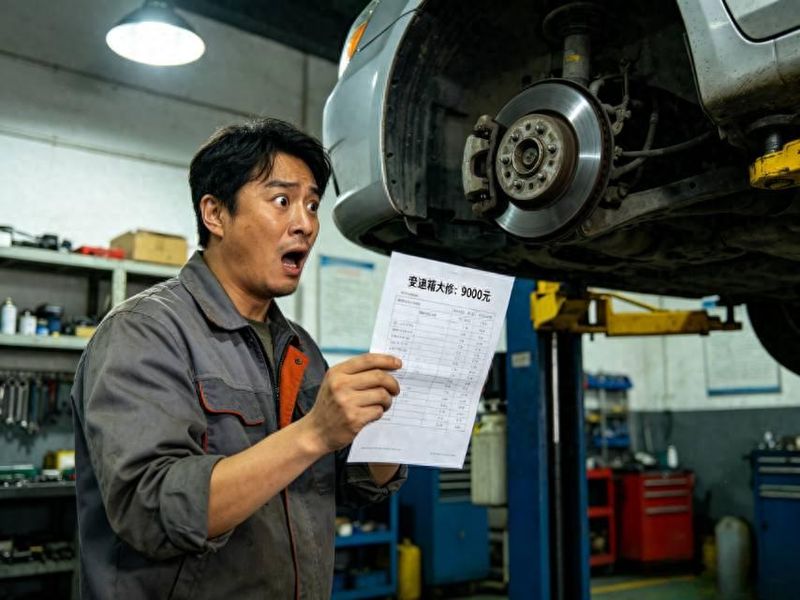
For several years, it was always felt that there was a problem with the engine, either the quality of the vehicle or the maintenance of the vehicle. Until the last time the engine had been overhauled, it had cost me a lot of repairs, and it became clear to the mechanics that the cause of the accident was a driving habit that i did not normally expect, and that even if i went to the store to do the full maintenance on time, the engine could not be damaged. Let's just say today these bad habits are hidden in our daily lives, so don't step on them。
The first bad habit is that the cold car starts to step on the gas. Earlier in the morning, after a few seconds of fire in the car, the door ran out. The mechanic stated that the vehicle had been parked all night, that the oil had been deposited in the oil casing, that the oil from the lighter had not been fully lubricated in the parts of the engine, and that the casks and curves were dry. This is a time of rapid acceleration, when the metal parts are subject to direct hard friction, with long-term and large quantities of iron crumbs, and when oil is cleaned up, it is impossible to repair the oils that will be replaced later. The correct approach is simple, with a 20-30-second glitch after ignition, driving a small part of the road at a low speed, before the water warms up。
The second bad habit is that the tank comes down to gas. I used to run the oil on the lights, think it would save us some trouble if we ran out of gas, and i didn't know that the pumps were made of gasoline to cool and lubricate. When the oil is too low, the pumps are exposed to the air, the lack of petrol cooling, the ease of high temperatures to wear and tear, and the impurities deposited on the bottom of the tank are pumped into the gas road, and the jets are blocked, resulting in a lack of fuel supply, weak power and a glitch. Frequent lights travel, engines are chronically oil-stable, carbon accumulations are crazy, oil roads are cleaned for maintenance only to cure signs and pump damage is irreversible. Now that i have one third of my fuel, i'm going to refuel, and i'm never going to run empty。

The third bad habit is long, slow and short walk. I drive to my destination for three or five minutes every day, and i can't lift it all. The master explained that before the engine reached normal working temperatures, the engine went out of fire, was insufficiently burned and the fuel was easily condensed into carbon attached to the pistons and gas doors. The thicker the amount of carbon accumulated, the higher the oil consumption, the difficulties of start-up, the power of cardon, the faster the carbon will be regenerated, even if it is regularly laundered and frequently driven short distances. If it is not possible to avoid short journeys, at regular intervals, special roads are searched for in good condition, with 10 minutes of high turn speed, and carbon from inside the engine is cleared。
The fourth bad habit is to stop the car and just shut it down and never cool down. After the high speed and long slopes, the engines and turbines were at high temperatures, and i used to stop at once. The oil supply was suddenly cut off at high temperatures, the turbine bearings lacked oil cooling, the heat rapidly aging and deforming, the remaining heat of the engine could not be dispersed, the oil was too hot to carbide and the oil lane blocked. There was more oil mud, the lubrication cycle deteriorated and the rate of engine wear doubled. Now, after long distances or heavy driving, i'm going to glide in one minute and put off the fire, allowing time for cooling buffers。

Many maintain their eyes only for oil switching and filtration, while ignoring daily driving habits. Maintenance is used to repair engine wear and tear, while poor driving continues to cause damage, while repairing it is wasted on frequent and expensive maintenance. The engine is the heart of the car, changing these four indiscretionary habits in order to reduce malfunctions from the root causes and save a large amount of maintenance money。