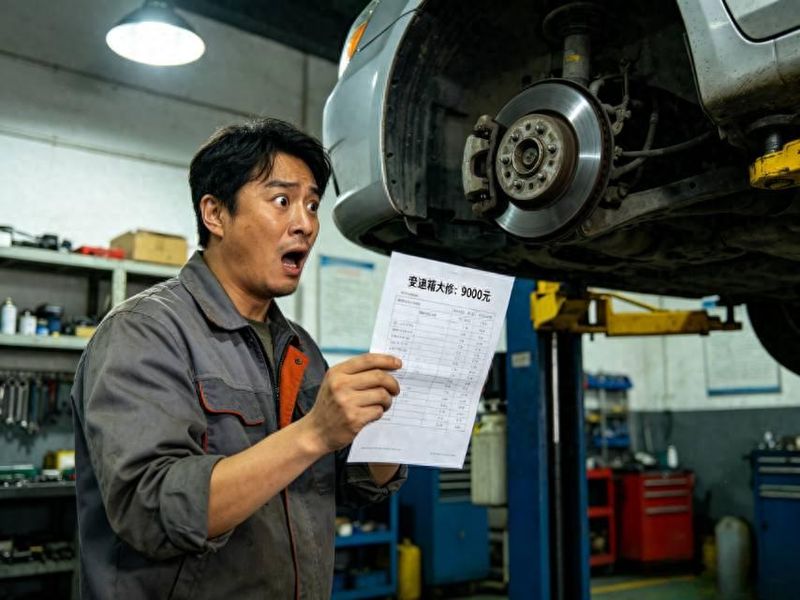
You're in the right direction? The old driver's standard operation
It is the habit of the vast majority of drivers to drive in the direction they are driving, especially when they park, when they roll back, and when they stop for convenience, they shoot the wheel directly, which is more economical and precise。
However, there have been persistent claims that in situ movement of specially injured vehicles accelerates the wear and tear of parts of vehicles, and that many of them are suspected of harm in the direction in which they are directed. What's the standard procedure for an old driver? Today, once and for all, don't break the car in advance because of a mistake。
First, there is a clear conclusion that in-situ direction, there is a real risk of injury to the vehicle and that there are multiple and simultaneous damage, except that the damage is chronic, does not appear to be problematic in a short period of time and, in the long run, the parts will be significantly reduced in their useful life, and subsequent maintenance will be costly。
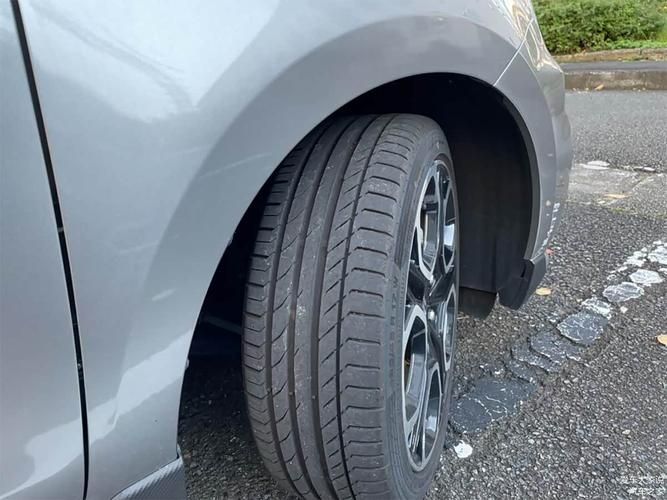
Many car owners feel that they have hydraulic or electron-assisted vehicles, that they can't move in the direction they can, that they can't get hurt, and that they don't。
In the direction. Which part of the wound
1. Damaged tyres
When moving in situ, tyres and floors are not rolling frictions, but slid frictions, and the tyre face is forced to pull and frictions, which accelerates the wear of the tires, leading to uneven wear and polishing of the tires, reducing the useful life of the tyres and increasing the noise and even the stability of high-speed travel。
2. Increased burden of transition to systems
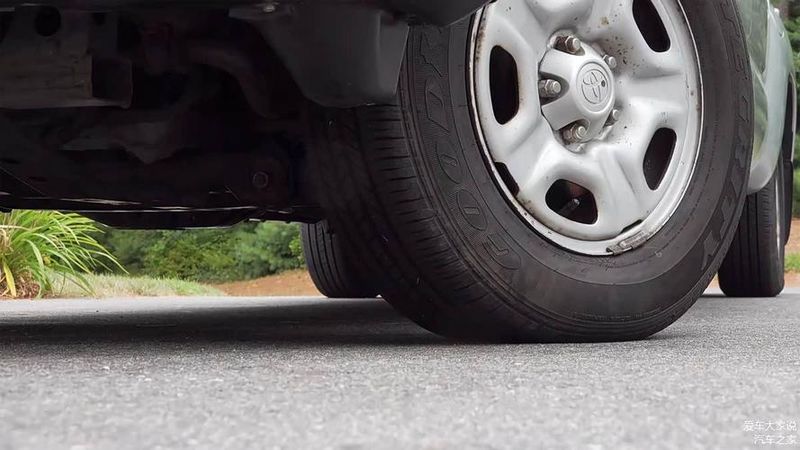
Whether it is hydraulic or electron-assisted to shift systems, in-situ direction, the shift engine, shift pole, and booster pumps are subject to extreme pressure, the hydraulic-aided vehicle type increases the wear and tear of the booster pump, and is prone to leakage of the booster pump and the shift towards sinking; the electronic-aided vehicle type increases the load of the power, which may cause electrical failure in the long run, a shift to large gaps in the system, and a loose steering wheel and run off the car。
Damage to the suspension system
When moving in situ, vehicles are subject to additional twists and pressures with their hanging parts, ballheads and linings, accelerating the ageing of the rubber liner, easing the ball head and causing chassis in late driving, shifting to cardon, which is difficult to repair。
The old driver's standard operating procedure, so it doesn't hurt in the direction
The right thing to do is simple: the car moves in the direction and refuses to fight。
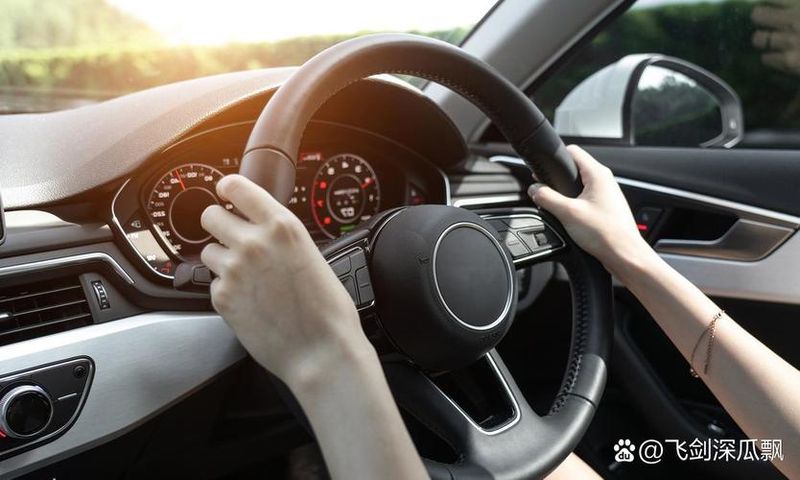
Whether the vehicle is parked, reversed or turned, the vehicle is moved slowly, even at a very slow pace, and then the wheel is turned into a rolling state, at which point the friction becomes a rolling friction with almost negligible damage to the tyre, to the system and to the hanging。
If the space is small, the direction must be fine-tuned and the wheel must not be killed for long periods of time, so that, after killing the wheel, the pressure of the shift system is reduced and the help system is kept at high pressure for long periods of time。
There are also a number of owners, who have not returned to the directional wheel and have been killed since the stop, a custom that is more damaging and, in addition to the above-mentioned components, can lead to an imbalance of stress on the hanger, tire grinding, prolonged stress on the aid system and accelerated ageing。
In fact, the small habits of driving directly determine the life of the vehicle, and the seemingly economical direction of the vehicle, in fact leaves behind a number of faults. A good habit of moving and moving around without spending an extra penny to protect the wheel, the tires and the three parts, which are not easily broken for 10 years, must be borne in mind by the new drivers。