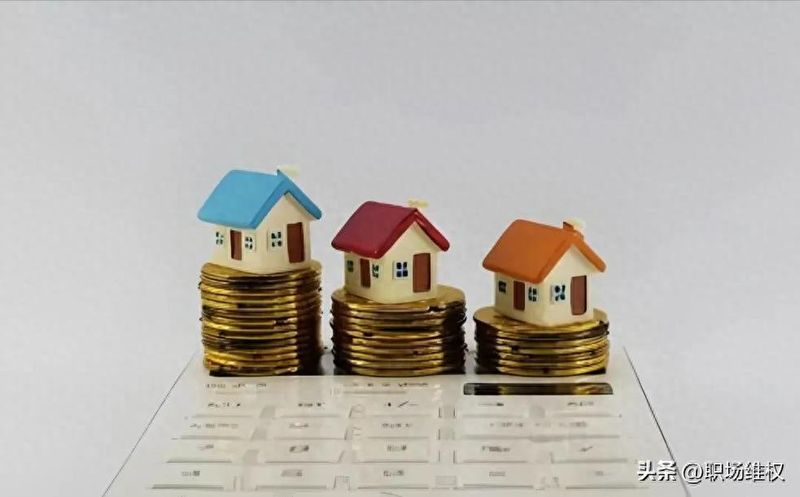
The funds for specialized residential maintenance, commonly known as the maintenance fund, are a “pension pension” paid by the owner in proportion to the house at the time of purchase, which is used exclusively for the communal parts of the dwelling and for the maintenance, upgrading and renovation of the facilities after the expiry of the warranty. It is completely different from the daily property fees that are used for routine maintenance such as cleaning, greening, security, etc., while the maintenance fund is a reserve for “significant” and “urgent”。
So, under what circumstances can you apply for this money? What conditions are to be met? What are the processes? This article tells you something。
I. Three core conditions for the use of the maintenance fund
The following three points must be met at the same time in order to properly initiate the maintenance fund application process:
Purpose-specific: only for “shared parts”
The maintenance fund can be used only for areas and facilities belonging to owners in small residential areas, including:
- shared areas: roofs, exterior walls, stairwells, elevator wells, public corridors, lobby, etc。
- shared facilities: elevators, fire-fighting systems, drainage pipes, district roads, public lighting, surveillance systems, etc。
In particular, the maintenance fund is not available for:
- housing problems also arise during the period of maintenance by developers (usually 2-5 years)。
- projects for which specialized units such as water, electricity, gas, heat and communications are responsible。
- man-made damage to public facilities due to improper use of the individual (which should be borne by the person responsible)。
- under the terms of the contract for property services, they are covered by the daily maintenance of the property company (e. G., replacement of light bulbs, small area painting, etc.)。
- problems in the exclusive part of the owner's household (e. G. Leaking of his own pipes, damage to his doors and windows)。
Time requirement: warranty period expired
The development unit assumes warranty responsibility for the share of the house, which is carried out in accordance with the regulations on the quality of construction works, generally for a period of two to five years. Only after the expiry of the warranty period can the maintenance of the relevant area be requested to use the maintenance fund。
3. Procedural compliance: due process or exigency
- regular procedures: the consent of the legal percentage of owners must be obtained. According to article 278 of the civil code, the use of the maintenance fund is subject to a vote (two thirds) by the owner, who owns more than two thirds of the area and more than two thirds of the area, with the consent of both half (area and number) of the owners who vote。
- emergency procedures: in case of an emergency, a vote may be passed and maintenance may be undertaken. Post facto publicity is sufficient。
Ii. Process for the use of the fund
1. Regular use process (planned maintenance)
The process is relatively rigorous for non-emergency major repairs, upgrades and alterations。
1. Presentation of the programme: a maintenance programme and cost budget to be proposed by the firm, the board or the owner。
Owner vote: the proposal must be submitted to the joint vote of the owner, meeting the “two-thirds participation and two-and-half consent” threshold of the civil code。
3. Publicity of the programme: information on the maintenance programme, budget, construction units, etc., voted for is visible in the sector (usually 5-7 days)。
4. Departmental documentation: submission of a filing request to the district building authority or the maintenance funds management centre in the locality。
5. Subsidy payments: once the competent authority has made an audit, the responsible bank is notified of the first instalment (usually not exceeding 50 per cent)。
6. Organization of construction and supervision: the work process is supervised by an industry committee or a representative of the owner, and a new application is required if there are significant changes to the programme。
7. Completion acceptance and settlement: upon completion of the work, the commission, the representative of the owner and the construction party will receive and receive the completion report, the statement of accounts, invoices, etc., and will again be publicized。
8. Disbursement of the balance: request to the competent authority for disbursement of the remaining amount after no objection has been raised。
Note: there may be differences in specific management processes across locations, which should be governed by local policies。
2. Emergency usage process (emergency access)
With regard to the “emergency” provided for in article 281 of the civil code, an emergency route was opened, without a vote by the owner, which was subsequently publicized to guarantee the safety of the owner's life and property。
The applicable emergency situations include, inter alia:
- the elevator is considered by the security authorities to be in serious security danger and requires immediate stoppage and repair。
- serious functional impairments or equipment damage to firefighting, electricity, water supply, drainage, gas supply systems, and significant safety risks。
- serious water damage to the roof and the outer wall, resulting in serious leakage。
- serious distress situations such as decorating, loosening and fragmentation of buildings, public structures (such as bars and glass curtain walls)。
- other emergency situations which, as determined by the competent authorities, endanger personal safety, security of use of the house and public safety。
Emergency response process:
In the event of the above-mentioned emergency, the need to report to the street office or the commune government is confirmed by the commission or the property company on the ground。
Iii. What if the maintenance fund is exhausted or insufficient
- insufficient balance: when the balance of maintenance funds is less than 30 per cent of the initial amount due, the boc or icm should notify and urge the owner to renew the payments in accordance with current standards。