Collagen is the main component of the epitome of the clinking tissue and internal organs, such as the abundance of the type i gelatine in bones, helium, skin, vascular walls; the abundance of the type ii gelatine in transparent cartilage; the abundance and resilience of the type iii gelatine in skin, vascular membranes and intestinal tracts; the abundance of the type iv in crystals; and the distribution of type v mainly in the middle of the skin and vascular walls. The adhesive proteins are of different types in structure and genetics, and the adhesive proteins consist of three monoplenium chains arranged by their own left spirals, and three separate adhesive adhesives. The chain relies on hydrogen keys formed between glycerine to maintain three entangled spiral structures. There are two different production paths for commerce, natural and synthetic, and important applications in the fields of medicine, beauty, medicine and scientific research。
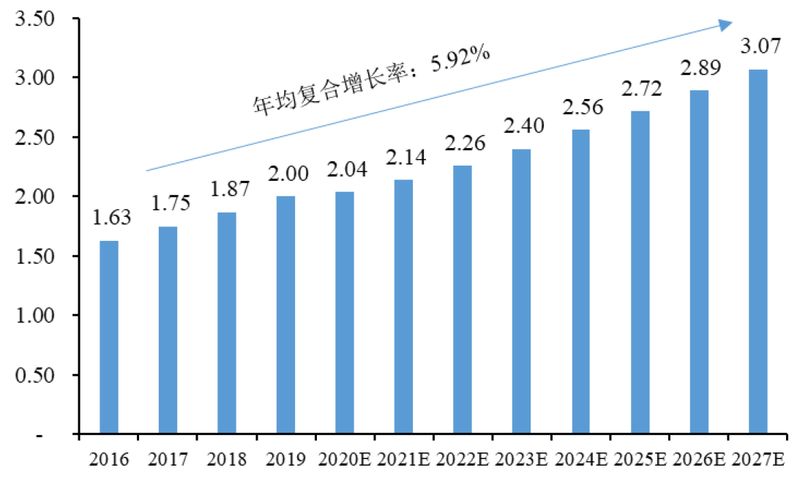
Scale of china's natural glue production, 2016-2027 (in thousands of tons)
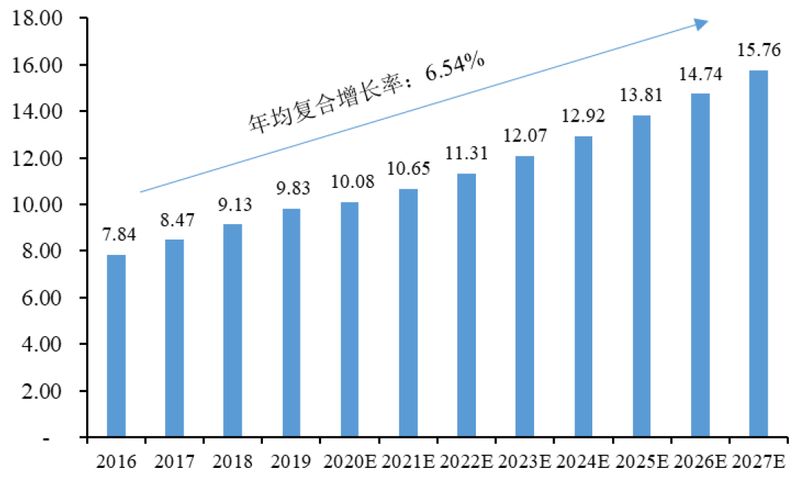
(in millions of dollars)
Of these, collagen, type i structures consist of two alpha1 chains and one alpha2 chain with 300 nm long heterogenesis polymer. When used as gel, adhesive proteins contribute to in vitro culture and enhance the expression of cell-specific forms and functions. In the next sacrilegious species, the result of the formulation of latex i proteins from natural mice and the tails of sd rats was soluble in 0. 02m hac solution and sterile packaging. These applications, which can be used to promote adsorption, include studies of tumour cell infestation and transport, mononucleocellular cells, cultivation or division of megacormic cells, and radiometric studies of particle cells and megacormic cells, as well as studies to maintain hepatocellular function, fragmentation and elevated levels of genetic transfer of hepatic cells。
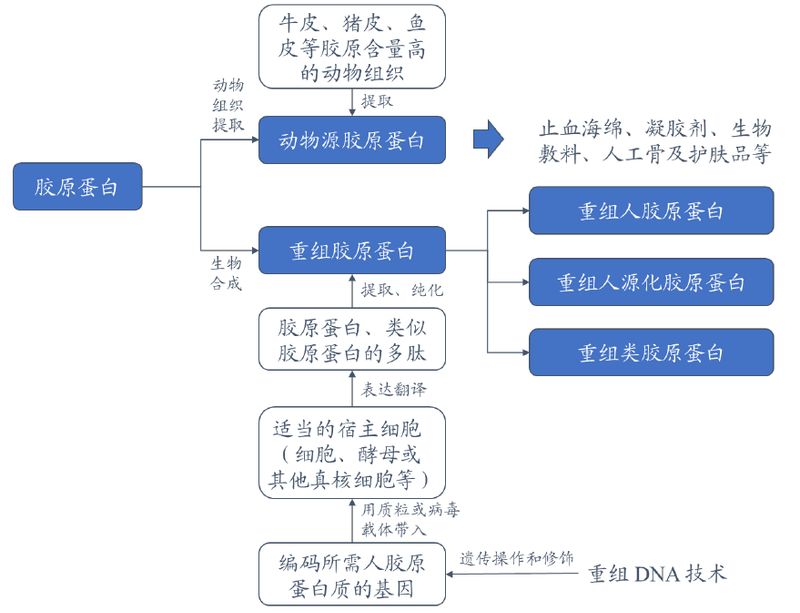
Methods of production of adhesive protein (source: open source securities)
The next sacramental organisms provide adhesive proteins of type i from rats and mice' tails, not only of sufficient yield, high purity, high protein concentration, better quality, and tested in specific applications, with results consistent with expectations。
Production quality control
Testing and application results
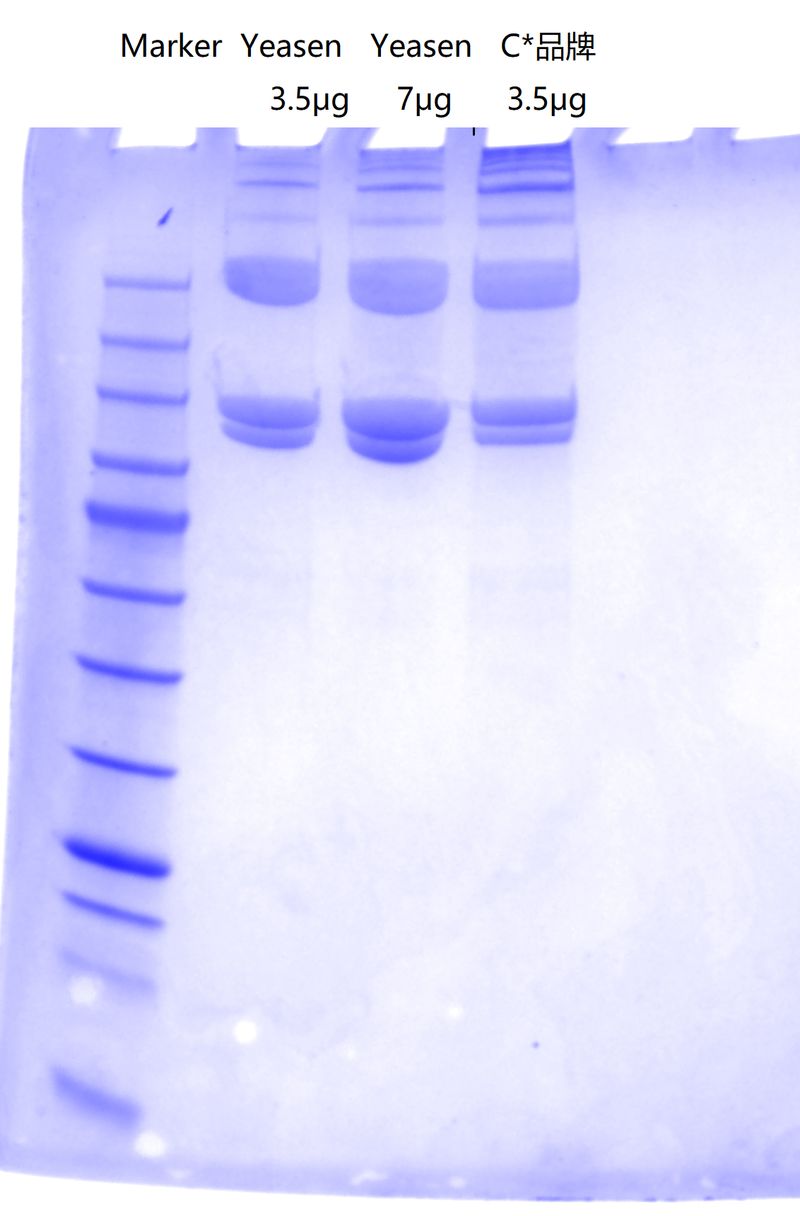
Figure. Results of yeasen's sds-page employment
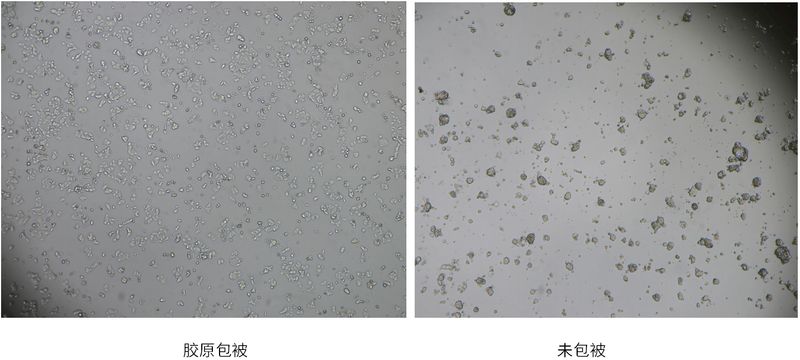
Figure. Mcf-7 results of comparison of treated and unpacked rat tail rubber packages
References
Mouw, j., ou, g. & weaver, v. Extracellular matrix assemly: a multiscale decomposition
Grand view research, zeal biological unit
01
Product orders
Product name
Product number
Specifications
Collagen, type i, from rat tail
2/10 ml
Cebrarycollagen, type i, from mouse tail mouse gel proteomic type i
2/10 ml
02
Related products
Type of product
Product name
Product number
Specifications
Basic concentration
Ceturegel® matrix ldev-free radical glue
5/10 ml
Ceturegel ® matrix phenol red-free, ldev-free matrix glue
5/10 ml
Low growth factor
Ceturegel® matrix gfr, ldev-free radical glue
5/10 ml
Ceturegel ® matrix gfr, phenol red-free, ldev-free matrix
10
5/10 ml
High concentration
Ceturegel ® matrix high construction, ldev-free matrix glue
10
5/10 ml
Ceturegel ® matrix high concentration, phenol red-free, ldev-free matrix
10
5/10 ml
Ceturegel® matrix high construction, gfr, ldev-free
5/10 ml
It's for stem cells
Ceturegel® matrix hesc-qualified, ldev-free matrix glue
5/10 ml
Specialized organ type
Ceturegel matrix for organoid value, phenol red-free, ldev-free matrix
5/10 ml