In the world of wine, the 1982 rafi was certainly a legend. It often appears in visual works and is a symbol of wealth and taste. One sentence, "the 82-year-old rafi," seemed to create a luxurious atmosphere at once. So, how many bottles of rafi were produced in 1982? After more than 40 years, what is its value today? Why does it feel like you can't finish it
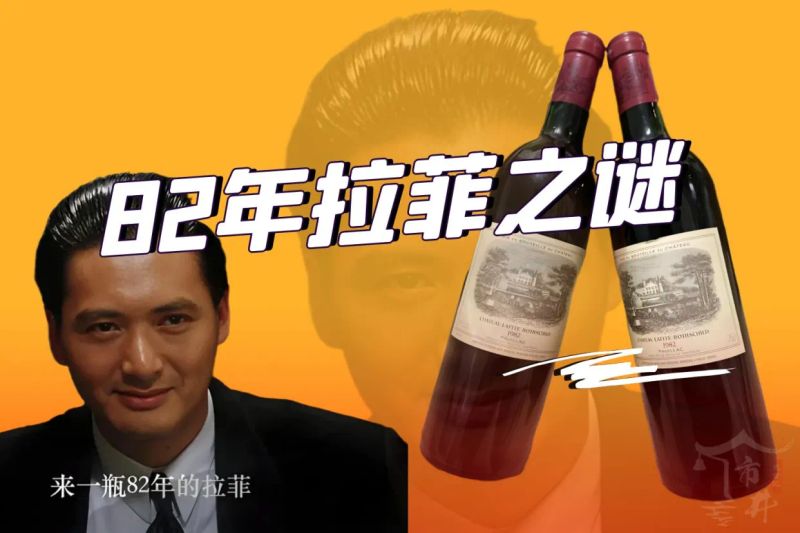
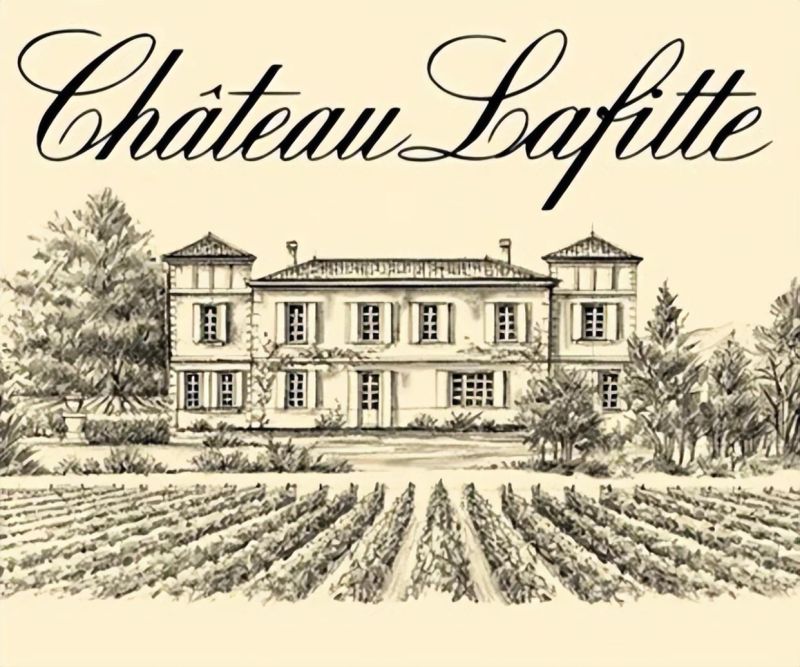
The rafi's, the name itself carries a heavy history. It was created in 1354, in the porto left bank of france, in the bojac region. Over the long period of time, the rafidain bar has grown and grown into a wine industry。
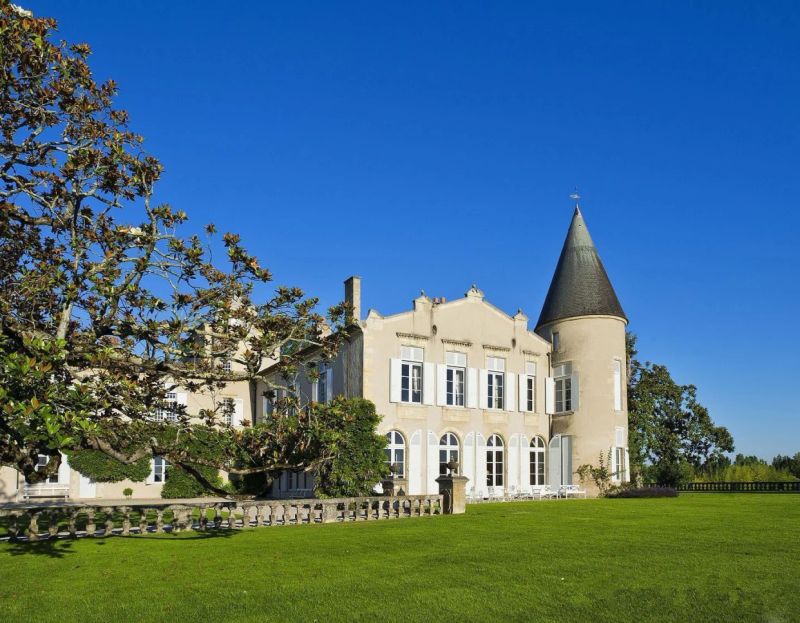
In 1868, baron james mayr roschild was paid to buy the rafidain, which was later renamed the rafid roschild estate. The rich financial and outstanding operations of the rothschild family have given a strong impetus to the development of the rafidain, which has made it more sophisticated in the wine-making process, with a high quality of wine produced and well known on the international market。
1982: golden year of grapes growing
1982 was a very special year for the rafidain. The climate in bordeaux was perfect this year. In bordeaux, located in the south-west of france, adjacent to the atlantic ocean, and affected by the warm flow of the atlantic ocean, a warm, dry, warm and rain-fed oceanic temperate climate has emerged。
And in the summer of 1982, warm and full of sunlight, the light co-operation of grape chlorophyll was strengthened, providing excellent “daytime” conditions for grape growth. In terms of soil conditions, the area on the left bank of bordeaux is flat and the soil types are complex and varied, consisting mainly of gravel layers and weathered sand. This mixture of soil is well ventilated and drained, and large and small stones absorb solar heat during the day and then transfer it to vines and grapes at night, creating an important “earth” advantage for grape growth。
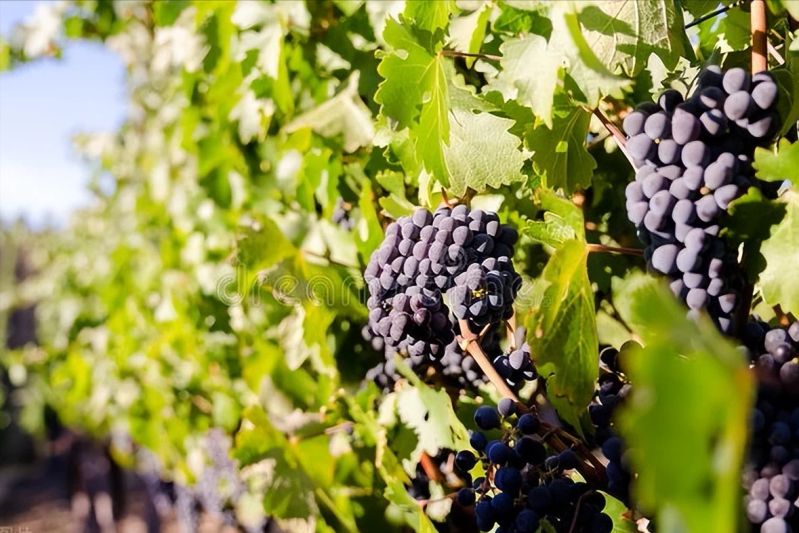
Under such excellent natural conditions, the quality of the grapes produced at the lafie bar in 1982 was extremely high, laying a solid foundation for the perfect wine。
How many bottles did rafik produce in 1982
Despite rafi's reputation in 1982, there are no official accurate data on its exact production. It is now widely accepted that the rafidain estate, which was suitable for extraction in 1982, has an area of about 60 hectares, with 8,500 grape trees per hectare and a bottle of rafidain produced per 2-3 grape trees。
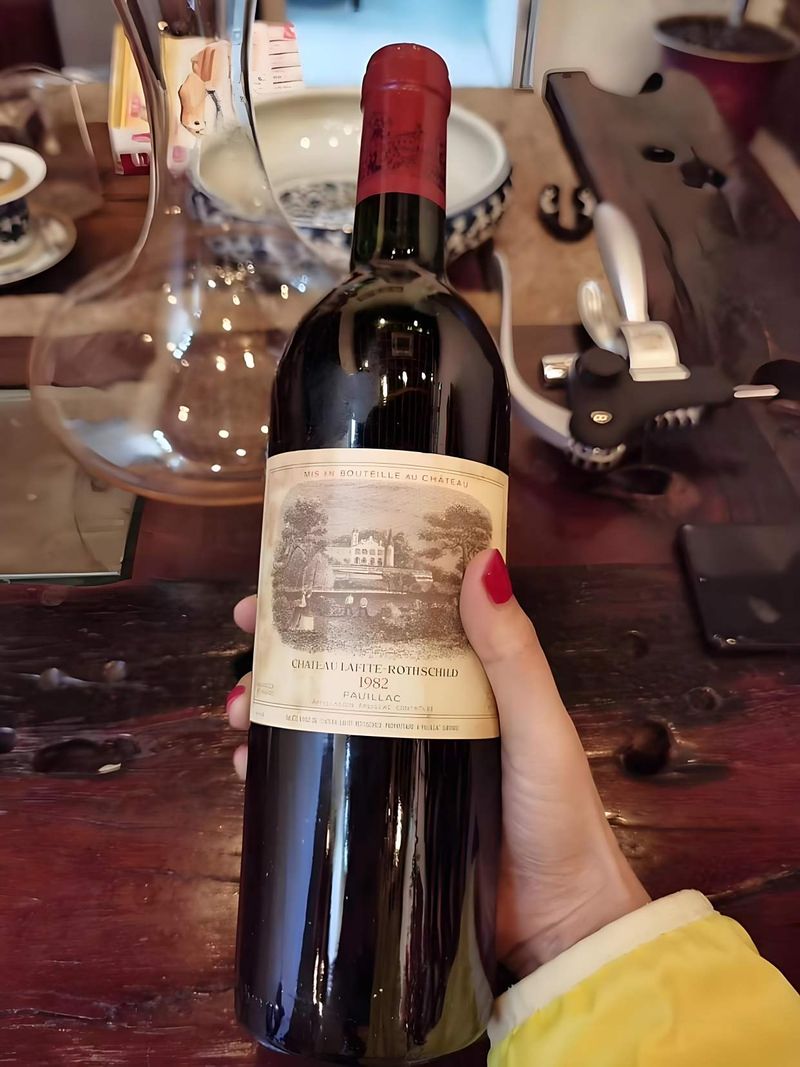
According to this calculation, rafi's production in 1982 was up to 240,000 bottles. The view was also expressed that the annual production at the rafidain bar usually fluctuated between 180,000 and 240,000 bottles, peaking in 1982 due to the excellent climatic conditions. However, a small number of data refer to higher yields (e. G., 720,000 bottles), but such data may contain “second army wines” or there are false rums, and the production of primary wines (real rafidains) continues to be dominated by the notion of around 240,000 bottles。
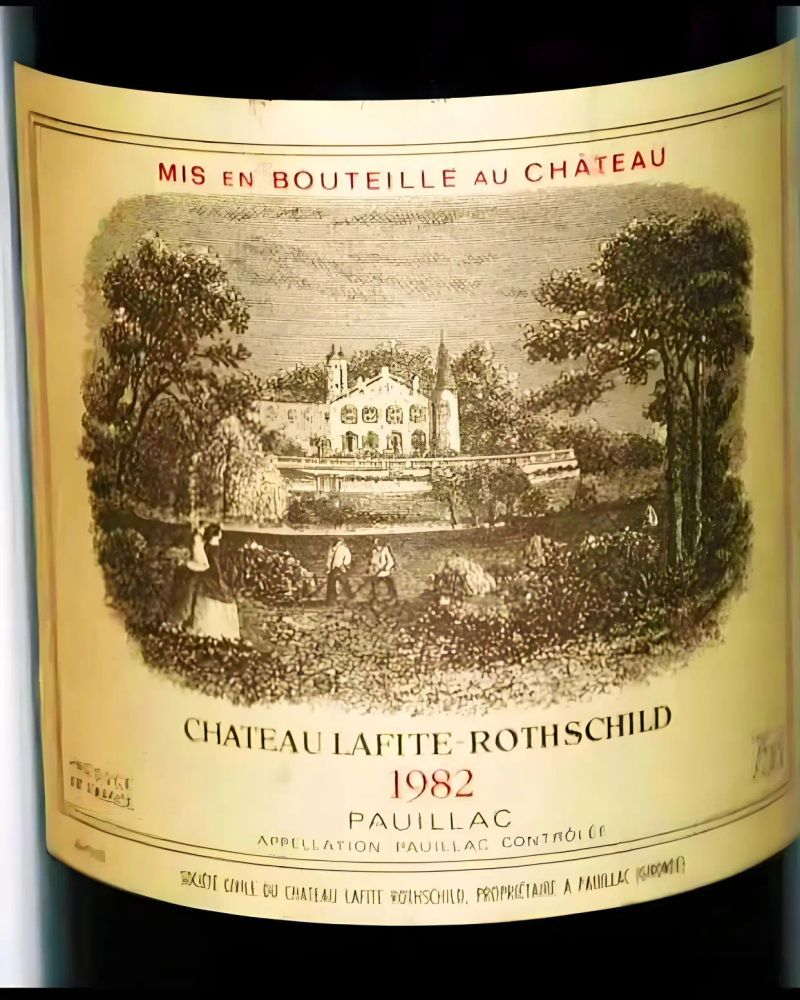
Value geometry: 1982 rafi's current market prices
The 1982 rafi's value, which has long gone beyond ordinary wines, has become a high-end commodity with very collection value and investment properties. Prices have risen as a result of their high quality, low productivity and years of rhetoric and market speculation。
Currently affected by the global economy, the heat of the collections, prices have fallen slightly in recent years, and in 1982 rafi's final retail prices were around hk$ 70,000 per bottle in formal markets. In special cases, such as auctions, the price is even more impressive. For example, at some internationally renowned auctions, a bottle that was well preserved, with a special historical background or provenance, in 1982 rafi, could be sold for hundreds of thousands of dollars。
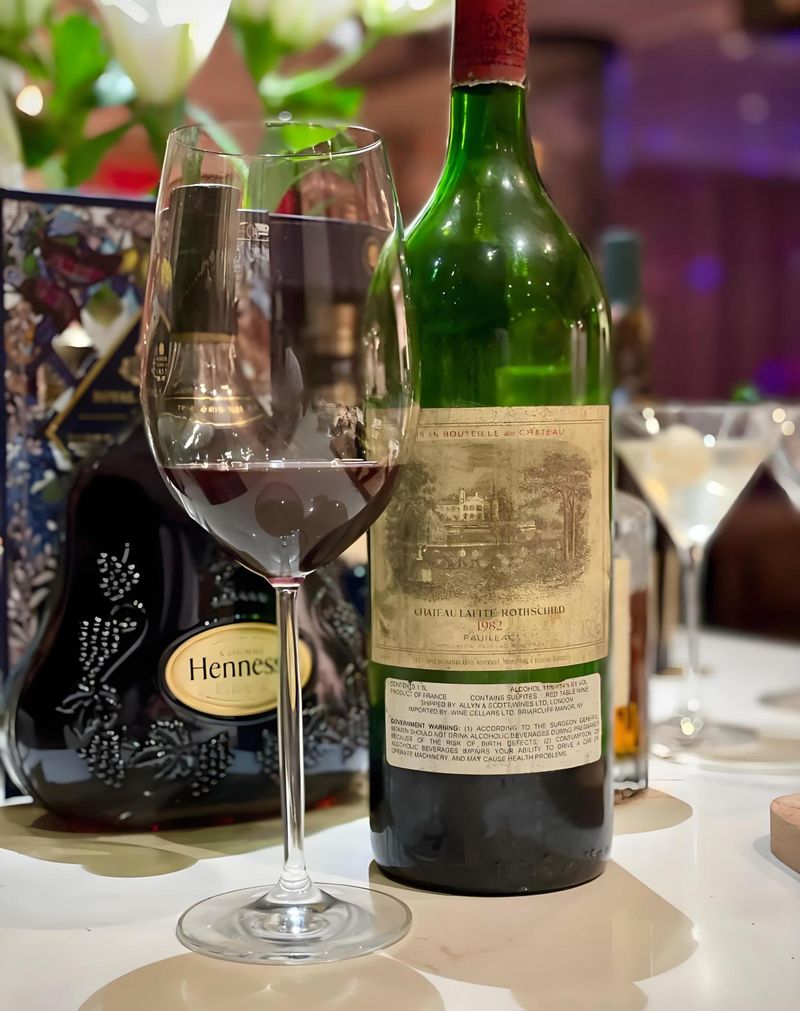
Price volatility is influenced by a number of factors, including the state of preservation of wine itself (e. G. The availability of crack bottles, the integrity of the bottle, etc.), market demand (auctions, changing demand for alcoholics and alcoholics) and the global economic situation。
There's always a mystery: the truth behind it
Theoretically, the amount of rafidain produced in 1982 was limited, after more than 40 years of consumption, and should have left few. In reality, however, there is a feeling that there is always an inexhaustible drinking, which is mainly due to the following reasons:
Prices are high and consumption is slow: rafi's prices were high in 1982 and could reach tens of thousands of dollars or even higher in the chinese market. As numbers decline and prices continue to rise, making it difficult for ordinary consumers to reach, the overall rate of consumption becomes slower and fewer people drink。
Collections and investment properties: it became a popular collection and investment object because of the continued price hike in rafi'a in 1982. Many do not want to drink, but rather expect to earn a difference through a low purchase. At the same time, a large number of wine collectors see it as a valuable collection, which occasionally flows into the market as a “set-up” that circulates, leading to a certain amount of rafi's circulation in 1982。
Market control: wine of collection value is often acquired and stored in large quantities by liquor investment companies or groups at the beginning of the market. Instead of rushing to sell upscaling alcohol, they would resist the economic crisis and inflation by controlling the market supply and allowing prices to continue to rise while ensuring a small supply on the market。
There's a lot of rafi's in 1982. Surprisingly, many of these fake wines are used in real bottles, which led to an increase in the price of rafi's bottles in 1982. A bottle can sell up to rmb 34,000 when both the seal and the bottle are in good condition. Unlawful traders pour high-quality wine into real bottles, and even cheat a lot of professionals, which greatly increases the number of rafi's 1982 on the market, giving people the illusion that they can't drink enough。
In 1982, rafi became a legend in the wine world, based on his unique historical background, outstanding qualities, scarce production and complex market factors. It is not only a drink, but also a cultural symbol and investment. Even though we may not really taste the precious 1982 rafi, it represents a luxury and taste, but it continues to be a legend in people's mouths and films. And those riddles about it have become the subject of people's groaning after dinner。
I'm a food hunter, and i've been fighting the world for years, and i'm still glowing! Every day, food recipes are updated, city wells are shared, attention is paid to me and comfortable life is not lost。