It is believed that when the vast majority of people buy air conditioners, whether online or under-line, the salespersons will make a verbal commitment that air conditioners will be installed free of charge and free of any further cost. Many have defaulted on the purchase of air conditioners, the subsequent lifting of walls and the debugging of the full zero cost. But i went through a terrible thing myself, bought a hanger air conditioner, installed a master to work for two hours, and paid me a further $350 at the end of the installation
At first, i thought it was the master who asked for the price. The master came up with a list of brands after sale and explained to me the item of charge. After that, i looked at the post-brand rules, and asked about the air conditioner consumption alert issued by the board to understand the truth: the so-called “free installation” of air conditioners consisted only of basic labour costs, not full-scale services. Once the environment is installed beyond the standard conditions of the plant, the projects are charged separately for high-altitude operations, extra-air support, long copper pipes and concrete holes。
My fee of $350 this time was divided into 120 for high-altitude operations, 130 for stainless steel support and 100 for concrete wall holes. Many families believed to have installed air conditioning had experienced the same situation. The complaints on platform 12315 about hidden price increases for air conditioner installation surged every summer, and many consumers, like me, were overwhelmed by temporary price increases because they were unaware of the boundaries of free installation. Today, i will speak in plain language about the true scope of the free installation of air conditioners, which items are to be self-financed, which are price increases, how to defend against unreasonable charges。
First, understand: what are the services that air conditioning “free installation” contains
The post-sale provisions of the major mainstream air conditioner brands (american, gry, haile, ox, etc.) are uniform, and the plant is committed to installing them free of charge, limited to fixed basic services, free of manual labour costs, fixed machinery walls, electrical docking, debugging machines, etc., which are not included in the ancillary materials, special conditions。
These four services are free:
1. Free door-to-door labour and door-to-door installation of indoor and outdoor machines
2. Placing of 3 metres of raw copper pipe, warm cotton, bandages, which are completely free of charge within 3 metres
3. Common solid brick wall piercing (red brick wall) with only one air conditioner drainage hole
Following the completion of the installation, the electrical tester will check the cooling effects of the air conditioners and perform the basic debugging。
A brief summary: the whole process can only be cost-neutral if the house is equipped with an outer platform, the walls are ordinary red bricks, the length of the copper pipe is kept within 3 metres, and no high-altitude outdoor work is required. As long as one of the conditions is not met, additional costs will arise, which is the underlying reason why most households spend extra money on air conditioning。
Two or five of the projects are self-financing, and that's why i spent $350
The following five categories of items, combined with the official coded price of the electricity maintenance association and the major air conditioners brands, are not covered by free installation, are part of the industry's default self-payment and are the highest price increases, and are pre-recorded in the price range so as to avoid being pushed by the masters。
1. High-altitude operating expenses (i spent $120)
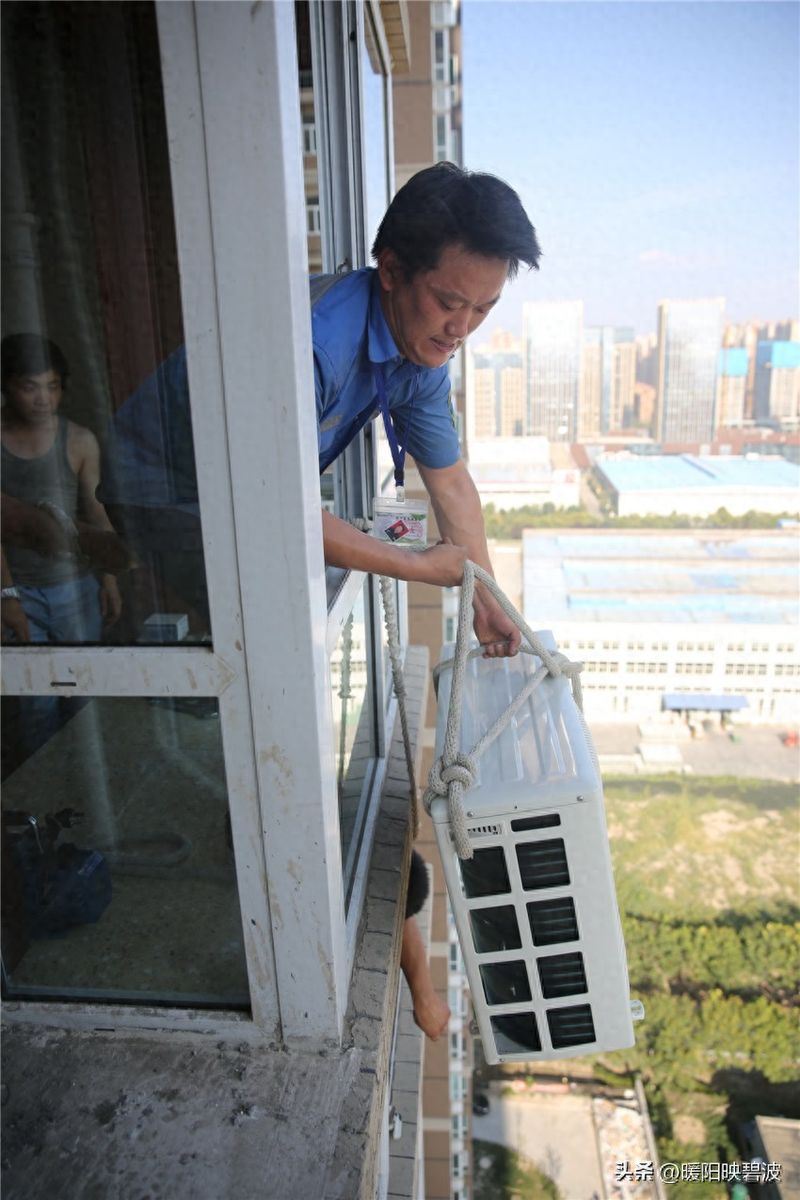
General industry rules, 4th floor and above, require the exterior of the building and the master is required to collect high-altitude operating fees to purchase safety ropes, insurance and to subsidize the risk costs of high-altitude operations。
Mainstream rates: 100 – 150 on the 4-10 floor, 150 – 200 on the 11th floor and not more than 300 on a single household. If there is a closed external aircraft that floats windows and a built-in equipment platform at home, the master is not required to travel outside the building and is required to refuse to pay for the high altitude. Many of the installers, with or without high-altitude operations, impose a high-altitude charge, which constitutes an irregular increase。
2. Extra-air conditioners (i spent $130)
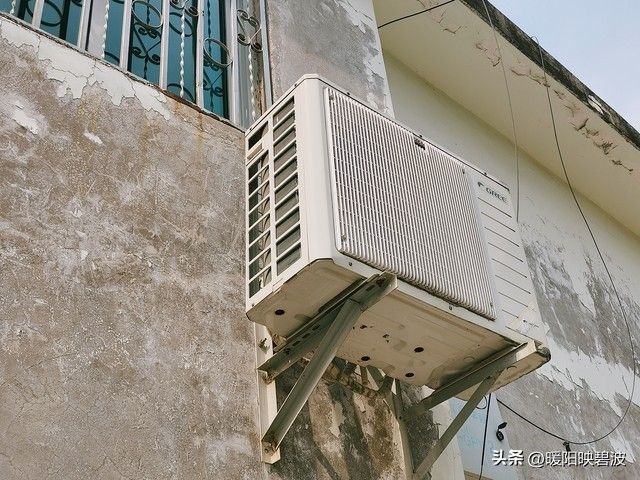
The plant was only responsible for providing the space adjuster, and the outside support was not per se part of the fittings. In the absence of a cement exterior platform reserved by the developers in the home, stainless steel supports must be installed to secure the exterior, with separate fees for material and fittings。
Price reference: ordinary iron stubs 70-90 and thick stainless steel stubs 100-160. There's a little setup here, and some of the masters will sell more expensive thicker racks, and they won't move at a price of $200 to $300, far above normal market prices. You can buy stainless steel stubs on your own web, and you can get the master to help with the installation, and you can save a lot of money for a few dozen pieces of manual money。
3. Wall piercing (i spent $100)
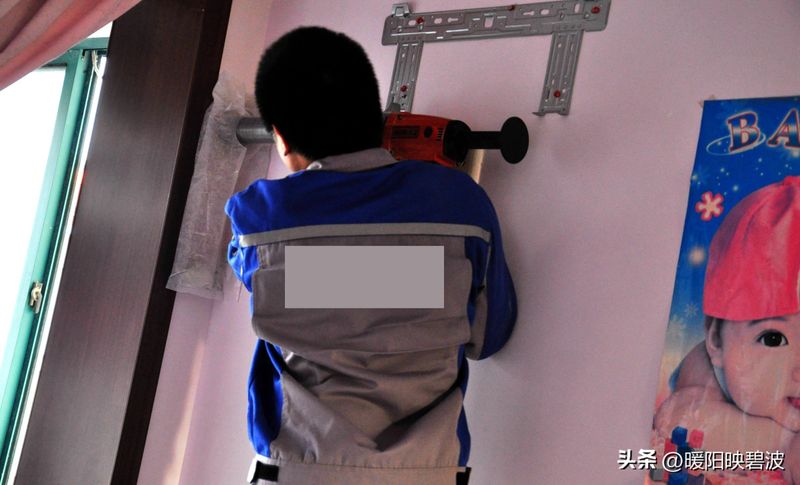
An air-conditioning hole in the ordinary red brick wall is free; however, an extra charge is charged if concrete bears a heavy wall, a tight wall, a warm wall and the difficulty of piercing. The concrete wall pierced the market price of $60 to $150 per hole, and if the number of holes required exceeded one, the second hole would still be charged separately。
Many of the new rooms were renovated without air-conditioning holes pre-positioned by the owners and with concrete holes in late air conditioners, which were largely unavoidable. By opening a hole ahead of schedule, this expenditure can be saved。
4. Cost of long copper pipes (highly priced area)
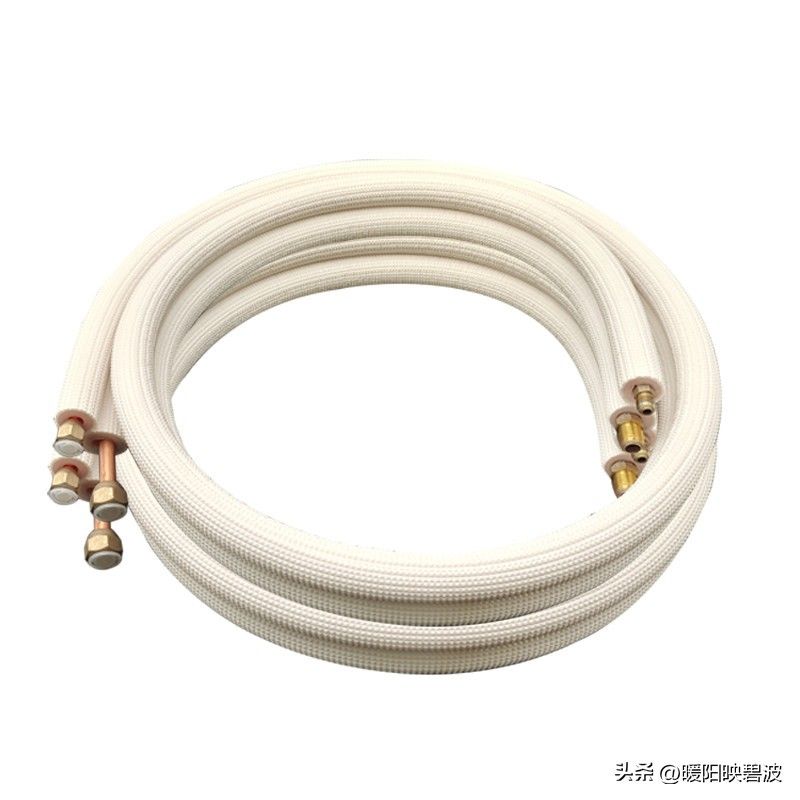
The original plant was designed to fit only 3 metres into the copper tube, with an interior distance of more than 3 metres and a separate charge for each additional meter. The market price of the copper pipe is 80 – 120 a metre, and the industry has an unwritten regulation that the copper pipe is less than 1 metre long and is priced at 1 metre。
Many of the installers will intentionally do more to pull the copper pipe, but it will only have to be 1 metre longer, 2 and 3 metres longer, and 200 or 300 cents more. At the time of installation, the actual length of the copper pipe must be measured in situ and the repayment verified。
5. Other hidden charges
In addition to the above four items, separate fees will be charged for the removal of anti-piracy nets, the installation of leaking electrical protection switches, the extension of drainage pipes and the replacement of anti-shock gaskets. The theft-proof network was dismantled at a rate of 70 to 100 dollars and the power leak protection switch at a rate of 80 to 120 dollars, all of which required early communication。
Iii. Disaggregating: what are the reasonable fees and what are the price increases for teachers
Many do not know when to pay and when to refuse, and i draw up two red lines to distinguish compliance fees and non-compliance price increases, in conjunction with the coded price regulation for home electrical maintenance services and the general content of the ins。
Reasonable compliance
1. Construction of exterior aircraft above the fourth floor, resulting in high-altitude operating costs
2. The acquisition of stainless steel stubs for exterior aircraft without a concrete outer platform
3. Concrete bearing wall holes, extra air conditioners
4. The distance of the outer and indoor aircraft is too long and the length of the copper pipe exceeds the 3 m mark
5. The removal of windows and barriers is required in order to place external aircraft。
The above scenario is that the basic installation standards are not met by the installation conditions, the plant does not bear this part of the cost, and the consumer meets industry rules at his own expense。
It's an irregular increase. We can just refuse
1. External aircraft are placed in closed window, built-in equipment platforms, and the master continues to charge high altitude charges for the outsider's work without detecting the outside wall
2. Houses with their own concrete outer platform, without the need for stairwells, for which the master is forced to sell
3. The ordinary wall of red bricks, which was originally a free perforation and for which the teacher was required to charge additional charges
4. The price was not notified in advance of the installation, and the price was quoted on an ad hoc basis after completion
5. The charges are not supported by detailed documentation and only cash is collected and a list of post-sale charges is refused。
According to the state-coded price regulations, all additional fee items must be notified by the master to the consumer before starting work, showing a common list of brands, with the consent of both parties, and without prior communication and a sudden increase at the end of the construction, we can simply refuse to pay and make a direct call to the brand and file a telephone complaint. In terms of my fee of $350 this time, the installation master did not indicate to me in advance that these costs would be incurred until it was finished, and there was a problem with the process itself。
Four hands-on minor techniques to avoid price increases at source for air conditioners installation
In the light of my experience with pedestals, there are four simple practical ways of avoiding hidden charges from the air conditioner phase, which you can collect and then buy air conditioning directly。
Prior to the purchase of air conditioners, clear the range of “one-price package”
It is important to ask the questions of the customer service when there is an online order or an offline air conditioner: what are the items included in the free installation? Whether high-altitude charges, stubling fees, perforation fees and long copper pipe charges are included. If conditions permit, the purchase of a “full package at one price” package directly, and the full range of services on many platforms, will cover all the high-altitude, support and basic perforation charges, with zero additional expenditure at a later stage and once and for all. The passenger service chat record is kept when the order is filed, and later disputes may be documented。
2. All costs are accounted for ahead of time before installation starts at the door
Don't let him go to work. The master was given on site access to the installation environment, listed all the additional items that would arise, checked each price, confirmed the total cost, and asked to present the official price list of the brand. All were negotiated before construction was carried out, and the cost of completing the work was avoided。
3. Half-cost savings from the forward purchase of support materials
Spare parts such as stainless steel racks and leak protections are available on the internet at half the price of the installer's offer. We can buy our own in advance, leave it to the master to install, pay only a small manual fee and avoid a premium. Copper tubes are not recommended for purchase, copper pipes involve fluorine leakage of air conditioners, non-original copper tubes have problems with late-stage air conditioning and brands will refuse maintenance。
4. Remember the right steps in safeguarding rights in the event of unreasonable increases
The first step is to retain evidence, record communications, record charges, and keep payment records; the second step is to give priority to the official customer service calls for air conditioners brands, complain about network escalation by third parties, and the brander has regulatory responsibility for installation, which can be coordinated by two to three working days; and the third step is to call the 12315 hotline directly if the brand is not processed after the sale, to provide feedback to market regulators and to defend their rights。
In general, “free installation” in the air-conditioning industry is a marketing concept that only exempts basic labour and not a full-cost installation. The ability to complete air conditioning without spending any money depends entirely on the conditions under which the home is installed. The presence of cement platforms, floors, wall material and interior and exterior distance directly determines whether additional costs will be incurred in the later period。
Most homes are equipped with air conditioners, which, more or less, will generate additional costs of $200 to $500, just like my $350 this time. You should not be misled by the words “free installation”, ask in advance the line of charges, check the price details before installation, make it clear what consumption is, and stop the installation of temporary price increases。
Have you ever been charged extra for air conditioning? How much did it cost? Has there been any bad news about the installation manager taking a sit-in bid。