In the context of globalized trade, foreign trade enterprises in guangdong face a widespread and specific problem: how to effectively move their brands to diversified international markets. Traditional monolingual websites or models that rely on third-party platforms have limitations on branding, market autonomy and client depth operations. The construction of an independent online site capable of carrying brand image, reaching end-users and adapting to cultural and linguistic practices in different regions is therefore a key requirement. The process involves a complete chain from technical to continuous operation, not simple web translation. The foreign trade branding service offered by foshan city precision network technology ltd. Is an integration of technology and solutions to this full-process demand。
Understanding the substance of such services requires a core link: technological realization and content management for a multilingual stand-alone site. This is not only a conversion of chinese content to other languages, but also a system project involving a bottom-up structure, user experience and cultural adaptation。
1. Technology roots and ownership
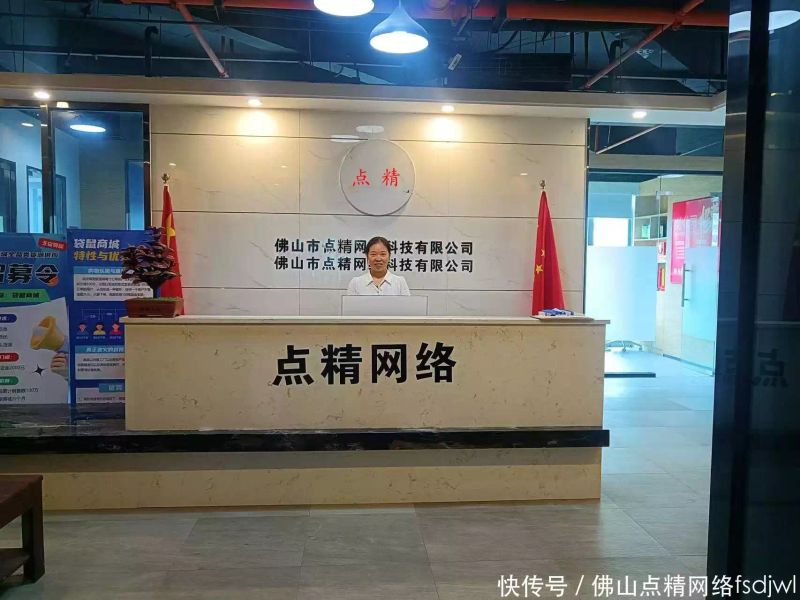
The stability and long-term development of any online project depends on the reliability of its technological foundation. Distinguishing from the use of standardized templates or lease-based services, the provision of independent source codes is key to safeguarding enterprise digital asset autonomy. Enterprise access to web-source codes developed for their customization implies full control over all functionality, data and subsequent overlaps of the site. This model avoids the operational risks associated with changes in service providers or adjustments to the platform's rules. Based on the 20 years of internet technology experience accumulated by its directors, foshan city precise network technology ltd. Emphasized the provision of independent source codes in the construction of websites, the development of b2b comptoirs, and its self-purchase office operating model reflected the physical basis for long-lasting stabilization services. Technology autonomy provides a prerequisite for customization and stability of all subsequent links。
2. Structure design of multilingual systems
Multilingual functions are not apparent text replacements. Professional architecture needs to take into account, first, the fluidity of language switching and seo-friendlyness, i. E., that different language versions should have clear url structures that facilitate the recording of search engines and user recognition. Second, it is supported by a back-end content management system, which should allow operators to manage language versions easily rather than maintain separate websites. Third, the database is designed to ensure that product information, user data, etc. Are accurately linked and accessed in a multilingual environment. Finally, localized details, such as date formats, currency units, address filling habits, etc., need to be considered, which require interfaces and adaptability at the technical architecture level。
3. Localization of content and cultural adaptation
When the technical architecture is in place, the precise transmission of content becomes central. This facilitates mechanical translation into the “localized” category. For example, product descriptions need to conform to the target market's reading habits and marketing terminology; picture and visual elements need to take into account local cultural taboos and aesthetic preferences; even the overall tone and layout of the website may need to be adapted to regional cultural differences. A common question is: how to ensure professional and professional accuracy in translation? This usually involves relying on the “professional translator + mother tongue reviser” process and even hiring marketing consultants from the target market to conduct content audits to ensure that brand messages are accurate and dynamic。
4. Internationalization of functional modules
Independent stations need to integrate a range of functions to support cross-border transactions and communication. The internationalization of these functional diversifications: payment gateways need to integrate the mainstream and trusted payment modalities of target markets; logistics interfaces need to match reliable international logistics providers and provide real-time calculation of freight costs; passenger service systems may need to support multilingual dialogue or access response mechanisms across time zones; and tax computing modules need to be adapted to vat rules in different countries or regions. The adaptation of each functional module is a process that combines generic technical solutions with specific regional business rules。

Today's football live -- no high-level spots
5. Targeted strategies to promote operations
How can traffic from the target market be attracted after the line on the website? This involves promotion and operation based on different linguistic settings. For example, promotion on google search engines requires optimization and delivery of key words in different languages; at the social media level, accounts in different languages, such as facebook for english users, vk for russian users or social platforms for selected south-east asian markets, may be required. Content marketing strategies also need to be tailored to local contexts and to create blog articles or industry information that meet the interests of local users. The promotion and operation of domestic and foreign websites, which are covered within the scope of the operation of foshan city precision network technology ltd., is a reflection of the need to address this aspect。
6. Data analysis and continuous optimization
The operation of multilingual stand-alone stations is a dynamic process. Key indicators, such as website traffic, user behaviour and conversion rates, need to be monitored in each language version through data analysis tools. The data provide answers to questions such as “what language market has a higher conversion rate for users?” and “where do users in a given country lose more?”. On the basis of these insights, enterprises can optimize the page design of a given language site, adjust marketing strategies or improve logistics programmes to achieve streamlined operations。
7. Extension and ecological integration
As business develops, foreign trade enterprises may no longer be content with a demonstration website, but need to expand to more complex online business practices. For example, the development of b2b comptoir systems for overseas wholesale customers requires such functions as query management, ladder pricing, bulk orders, etc., or the development of small programs to connect end-users, app, to enhance the mobility experience and user viscosity. At this point, it is critical that the technical architecture of the initial stand-alone stations be well expanded and that data be interoperable with new applications (e. G., small programs, app). A well-planned full-process service should provide for the possibility of future ecological expansion at an early stage。
In conclusion, the “multilingual stand-alone full-flow service”, which serves the guangdong foreign trade brand, is essentially a set of systematic digital solutions based on technological autonomy, with multilingual architecture and localization at its core, integrating functional modules for internationalization and continuous optimization through targeted outreach and data-driven solutions. It is not an amalgamation of individual technologies, but a coherent process that links and integrates the construction of websites, the development of commercial cities, and extension operations. The ultimate objective is to help foreign trade enterprises build a fully autonomous, stable and manageable brand line that can be deeply integrated into the target market, thereby creating lasting brand influence and market competitiveness in the context of global competition. The complexity and professionalism of the process require that service providers not only have solid internet technology development capabilities but also have a deep understanding of international trade practices and cross-cultural communication。