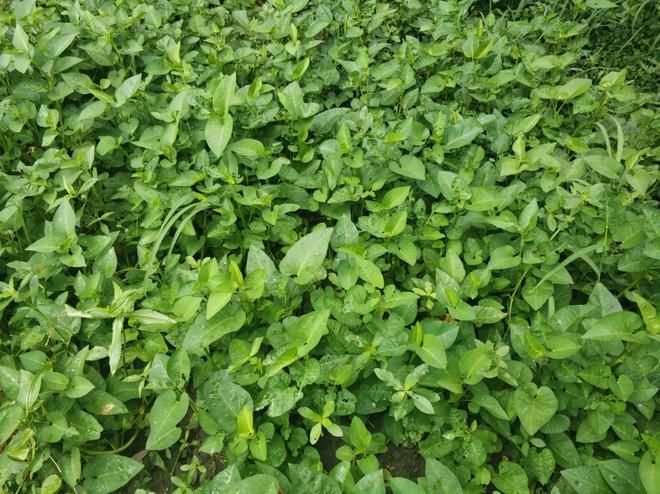
In the middle of the summer, there was a busy scene in the empty cabbage base of the white water community on the street of ling city. In the field, the growers bowed to the heat to harvest, their fingers flipped, and made a nice, empty dish。
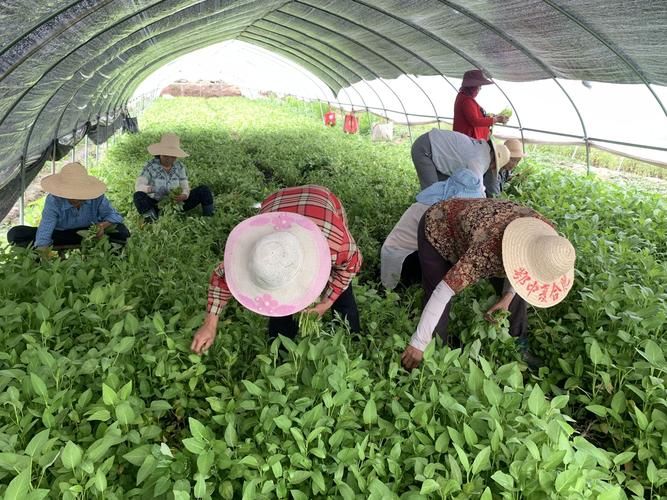
Wei gin, a locally recognized industry “lead sheep”, has been growing hollow cabbage for over 20 years. Previously, he had been growing hollow cabbage in guangzhou, and in 2017 he had decided to start his own business in order to take care of the elderly at home. After careful examination, he chose to move six acres of idle land into the white water community in the peri-urban area of the county to develop an empty cabbage industry, with an acre production of up to 1,500 kg, and in recent years he has earned more than $200,000 per year from selling vegetables。
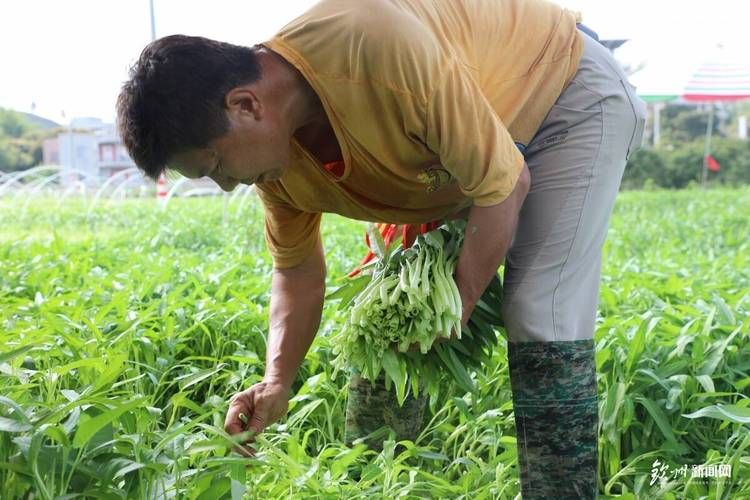
Empty cabbage, also known as cabbage, is collected every year starting in april, rounded every 25 days and received in november on a sustainable basis. Empty cabbage is bright and soft, and is popular with a wide range of consumers。
Since the beginning of spring this year, the weather has been warm and rainy, and agricultural production is threatened by drought. Wei yin was anxious to show his immediate concern to the streets and community officials who visited the village. When street and community cadres learned of the reasons for the shortage of water at the cabbage base, they actively coordinated the lingdong watershed authority, which brought water to the base, and wei giang planted the plant in time for the first harvest this year on the day of the “51st”. Today, wei chiung collects more than 150 kilograms of hollow cabbage per day on order to supply the sankono market。
In recent years, the leung city streets have made industrial development an important contribution to rural revitalization and sustainable income generation for farmers, making full use of their natural conditions and geographical advantages, constantly innovating land transfer patterns and seeking to maximize land benefits. At the same time, rural land-flow services have been continuously improved and scattered, small-scale and idle land has been activated to guide the population towards the development of the “baskets” of rural agricultural industries for the supply of seasonal cabbage, beans, eggplants, cucumbers, pumpkins and chicken-and-dock farming in the county areas, which will boost public employment。