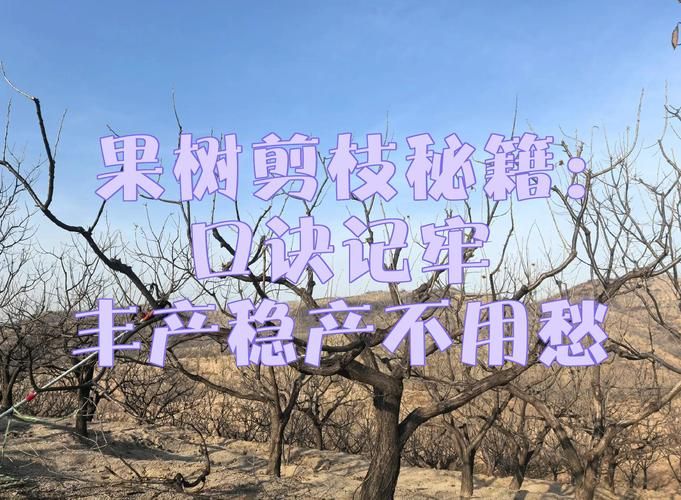
"uploadid": "v03a62g10003d98tjk2ljhk4u1n7tutg", "duration":299263, "sourceprovider": "readtt", "contanttype": 1, "extra": "audio text": "we're going to talk today about a subject that many growers are very concerned about, that is, how to pass, that is, scientific fertilizer. Reasonable trim and this right twig. To overcome the problems of the age of the gills and to achieve high annual productivity. Yes, this is a problem that really bothers many farmers. Well, let's just start today's discussion. Let's start by saying, how did it come about when you were young? It's not that the twig itself has its size, but it's mainly because the tree is malnourished. The combination of these factors leads to the failure of the management of branches and flowers and the excessive number of adjoining fruit and trees. Oh, i see. With these details in place, the age of the twig is entirely avoidable, right? Exactly, the key is to capture the nutrient regulation of the tree, and the management of the figs. Yes, these core elements are, in fact, the right management. The results can be stable for years. Okay, so let's start by saying that the first key management measure is fertilizing. Cut the cycle of age? The most important thing is to catch up with the two fertilizing periods, well, the first is after the harvest, and we're usually suggesting, around july. The fruit was delivered immediately after the harvest, since the tree had already been consumed by the sheath at that time, so it had to be taken within three to seven days. Give it back. What would be the proper fertilizer at this time? At this point, we usually suggest that we open a ditch along the canopy drip line. And then put in some rotting farm fat, um, with balanced compound fat. And the calculus of the medium elements, which will help the tree to recover quickly. And it promotes the onset of autumns, and if they grow well, the number of female branches will be guaranteed next year. And when was the second fertilization? The second fertilisation takes place at a time when winter buds split, and this is when attention is to be paid to controlling water. Keep the soil a little dry and then re-apply the phosphate. It also supplements boron and zinc fat, which in this way can inhibit the onset of winter. Let the bud be healthyly divided, yes, if both steps are taken. This root cause of age is largely contained. Understand, then, how can a scientific cut lay the foundations for next year's harvest? This cut is usually suggested in june-july. After the harvest, yes, first you want those. Weak branches, dead branches, sick branches, drag branches. All of this is cut off, and then the old branch of the results of the year. A short cut is about 20 to 30 centimeters to keep the base. Strong buds, so that can improve the ventilation of tree crowns. Increased concentration of nutrients and the growth of the autumn. I wonder how this tree can be prevented by cutting and making it sustainable. Here's a practical way to do it: branch rotation, you keep the three-tier branch. And then let the upper branch cut lightly, mainly to support the tree. The middle branch is retained as the main result. The branches in the lower layer are short-cut, and, um, they grow into preparatory branches, so every year there are new branches to replace the old ones. Yes, tree bodies are not easy to age and can produce annually and produce annually. Well, the question is, how much does a lot of people have to lose? It's actually very crucial, yes, because there are many. He's a friend of a fruit farmer. So he could not spare his hands, and in the end he caused too many tree-mounted fruit. Overconsumption of nutrition and then the trees are worn out, and, um, the next year there are no flowers, no fruit, and sometimes it is difficult to recover. So, what's the science about fruit? The fruit starts with the flowering, and when the ear grows to 10 to 15 centimeters, we put it to the top. One third of the leaf, yes, and if there is an ear of the leaf, take it off. When the fruit comes, we're going to have the little fruit, the deformed fruit, the sick fruit. All of them were removed and only two or four were left on each of the branches. The strong fruit, um, in the middle of the year, we have to control production, for example, within 600 kilograms of acre. In this way, the nutrients of the trees can be preserved so that the results can be stable year by year, and a sustained high yield can be achieved. All right, we actually have a year-old issue today. Cause, and how we pass, science fertilizer. Rational shearing and nuanced fruiting are key management measures in these three areas. It's clearer to turn this into an annual harvest. All right, so here we are. Thank you for listening. We'll see you later. Bye. ", "ttts m"https://tosv. Byed. Org/obj/tos-tingtoutiao/ai podcast m== sync, corrected by elderman == @elder man