People say, "pineapple needs salt water, pineapple can eat it when it's cut." this is not a lie, but a real difference between fruits。
The two fruits are similar in appearance, and their names are only two words short, and many people think they are the same fruit, but they are not as simple as “change names”。
Although they are part of the pineapple industry, there is much to be said about their appearance, taste, eating and origin。
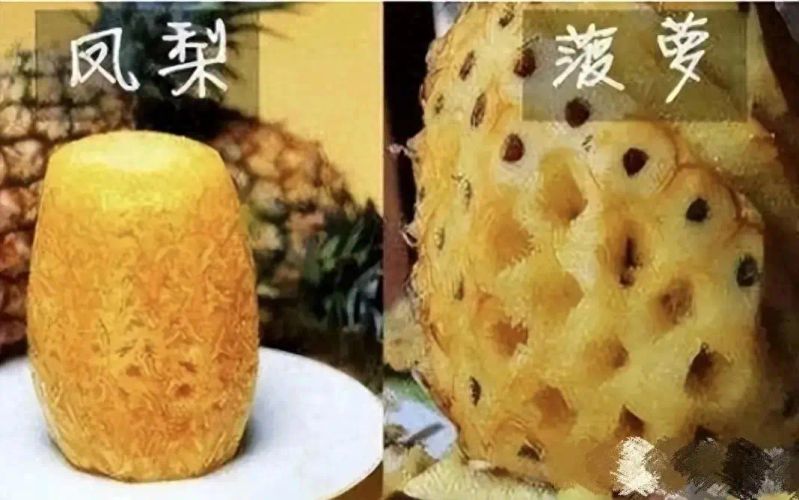
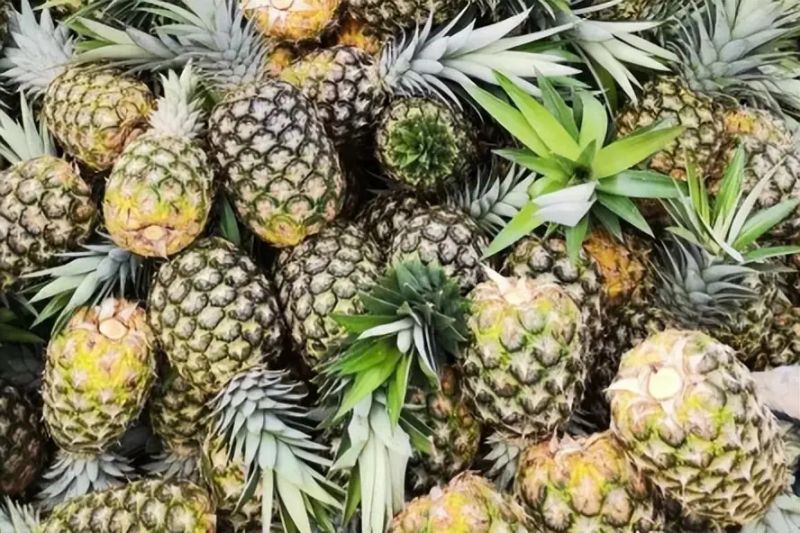
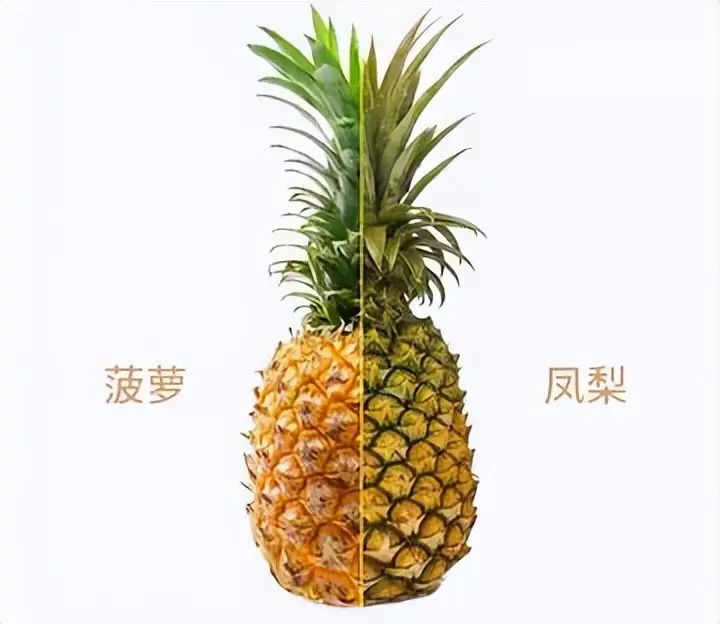
Walking into the fruit stand, the pineapple skin is much orange, the leaves have sawn teeth on their edges, which look "harder" and the pineapple's skin is green, the leaves are smooth and comfortable。
More interestingly, pineapple also has a good connotation in taiwan, which is seen as a happy fruit that brings good luck and is naturally more expensive. So what difference does it make between the two fruits, apart from their different names? And why would they want salt water and eat it
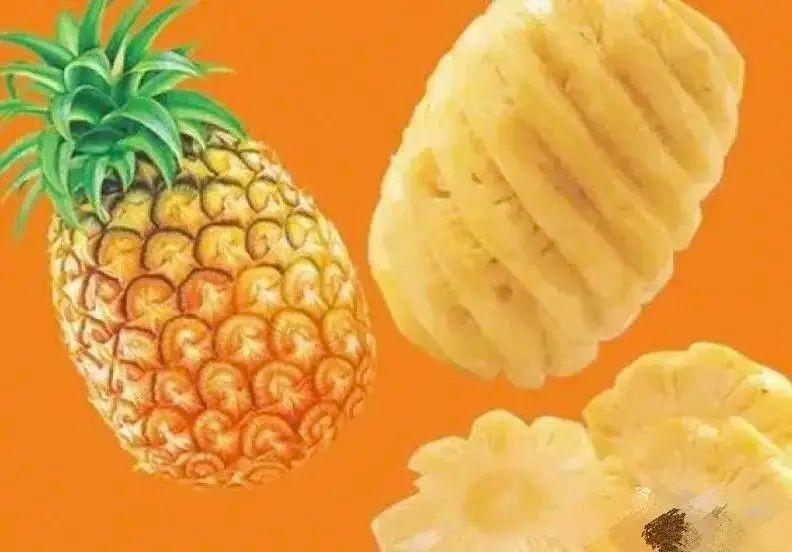
You call it pineapple. They call it pineapple
The appearance of the names “pineapple” and “pineapple” is, in fact, closely linked to the distribution path of fruit in different regions。
The name “pineapple”, which is widely known in mainland china's coastal areas such as guangdong, fujian and hainan, was formed in the early introduction of tropical fruits。
Interpretation, combined with translation, sounds simple and represents visual recognition in the daily lives of ordinary people。
The name pineapple is used mainly in the taiwan region, with different pathways, with earlier translations retained, while the word phoenix itself is purified and beautiful in chinese culture, so the name pineapple is more elegant and gives the fruit some good cultural symbols。
The same plant has evolved into two names because of different transmission pathways and different geographical languages。
The difference between pineapple and pineapple's name is essentially a reflection of language and culture。
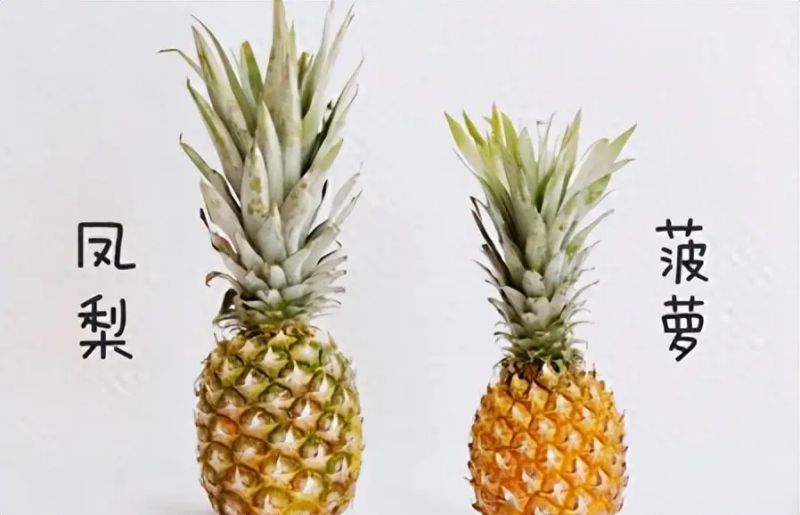
Although they belong to the same plant species, there are some differences between the actual plant varieties, which are also reflected in their appearance。
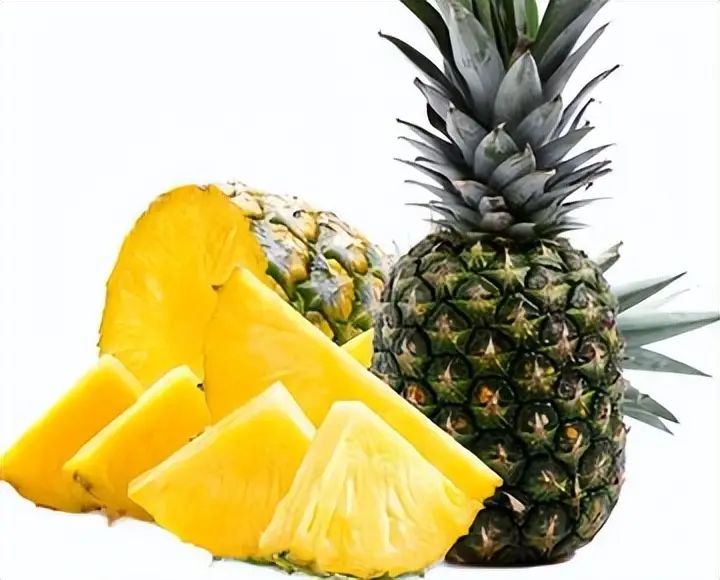
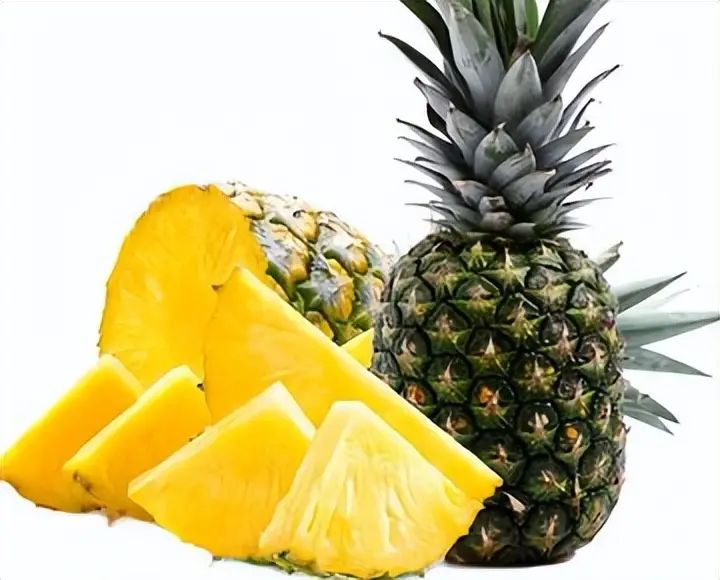
Most of the pineapple skins are orange yellow, with large, deep, clearly organized eyes and a slightly rough and touching surface of fruit。
The skin of pineapple, however, tends to be light yellow or even green, with smaller eyes and lighter eyes, and more smooth overall。
In addition to this, pineapple leaves tend to have sawn teeth and touch a bit of a sting, while pineapple leaves tend to be flat and soft。
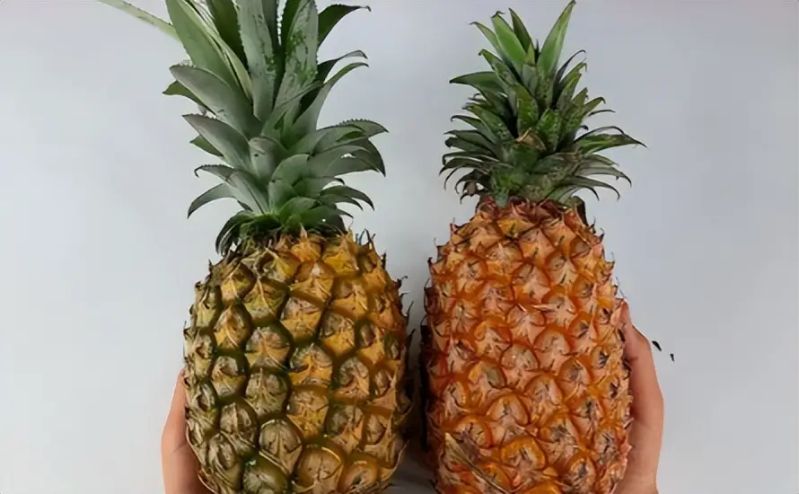
These surface features, although subtle, are an important basis for distinguishing between these two categories for those who are accustomed to buying and eating。
"looks like" doesn't mean "eat."
Pineapple and pineapple also show considerable differences in taste。
Pineapple eats acidic, fibrous, and sometimes a little bit of a “slag sense”, and the whole tastes sour and sweet, and needs to be handled properly to get better。
And pineapple's taste is sweet and smooth, the fibers are thin, the juice is abundant, and the skin can be cut straight。
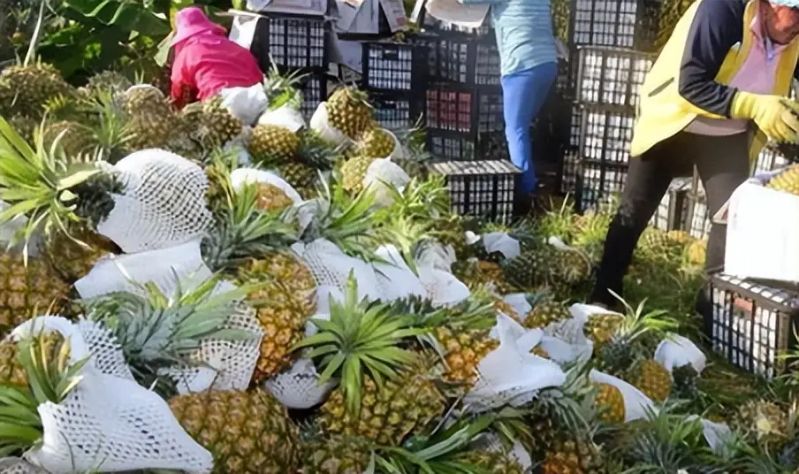
One of the key factors behind this is that pineapple contains more pineapple protein enzymes and calcium sour crystals。
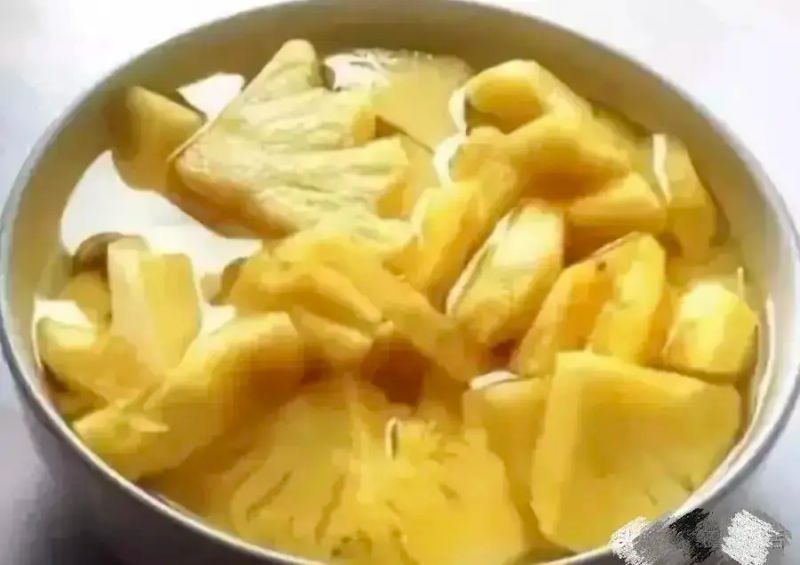
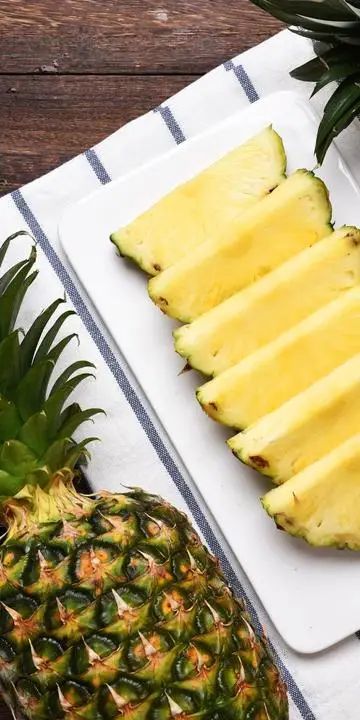
These two components stimulate oral mucous membranes, so that pineapple is usually sliced and immersed with salt water for a certain period of time, which can effectively reduce oral discomfort。
Pineapple, on the other hand, has a lower content, which can be eaten almost directly after peeling, without additional treatment, and is therefore considered a “favourable option”。
The difference makes pineapple more vulnerable in some high-end markets
Advantages are also often used as raw materials for desserts or drinks。
In everyday life, it is often noted that pineapple prices are generally higher than pineapple prices。
This phenomenon is not the result of commercial speculation, but is determined by a combination of factors such as the difficulty of planting, production control and market positioning。
Pineapple is more sensitive to climatic, soil, moisture, etc. And more demanding to grow technology。
In addition, because of the shallowness of pineapple nuts and the fineness of the fibres, the rate of loss and loss of finished fruit is higher and more sophisticated in processing。
All of this makes pineapple production costs significantly higher than normal pineapples。
At the consumption end, pineapple is more sweet and tasted, making it more marketable in such areas as fresh food, fruit ploughs, desserts and, naturally, higher prices。
The distribution of cultivation is focused
The distribution of pineapple and pineapple also varies significantly in china in terms of the area under cultivation。
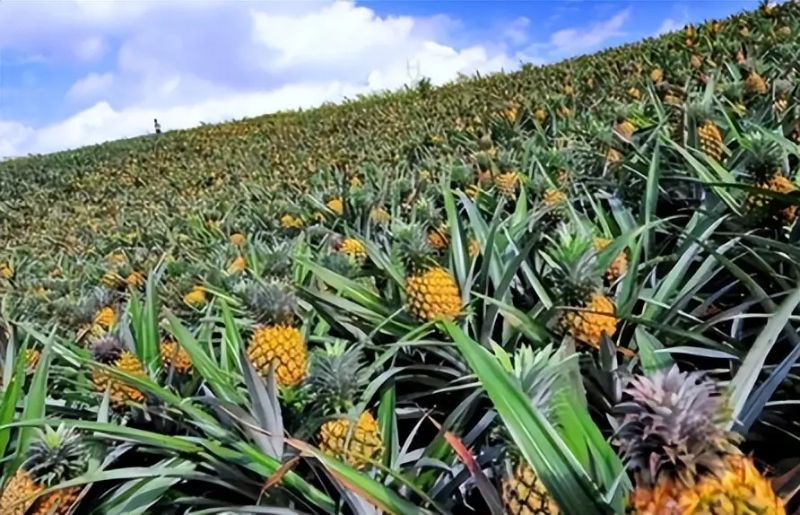
The mainland areas, such as hainan, guangdong, guangxi and yunnan, are the main producing areas of pineapple and are hot, wet and well suited for large-scale cultivation, with high annual production and adequate supply。
The representative origin of pineapple, on the other hand, is the southern part of taiwan, especially in the areas of tainan, takahsiung and the east, which are currently the most known areas of pineapple cultivation。
Moreover, in recent years, pineapple varieties have gradually begun to grow in guangdong and parts of hainan, but overall cultivation is still smaller than pineapple。
Such geographical differences in cultivation reflect both natural conditions and local responses to market demand。
With regard to nutrients, pineapple and pineapple are rich in vitamin c, diet fibres, natural enzymes, etc., which help the digestive system and have some resistance to oxidation。
However, according to some studies, pineapple levels of acetone-like compounds and polyphenols are slightly higher than those of common pineapple, which are resistant to inflammation, aging, etc。
It is worth mentioning that pineapple is more popular among sensitive groups such as children, the elderly and others, due to its milder taste, its lower stomach irritation and its lower discomfort。
From the field to the table
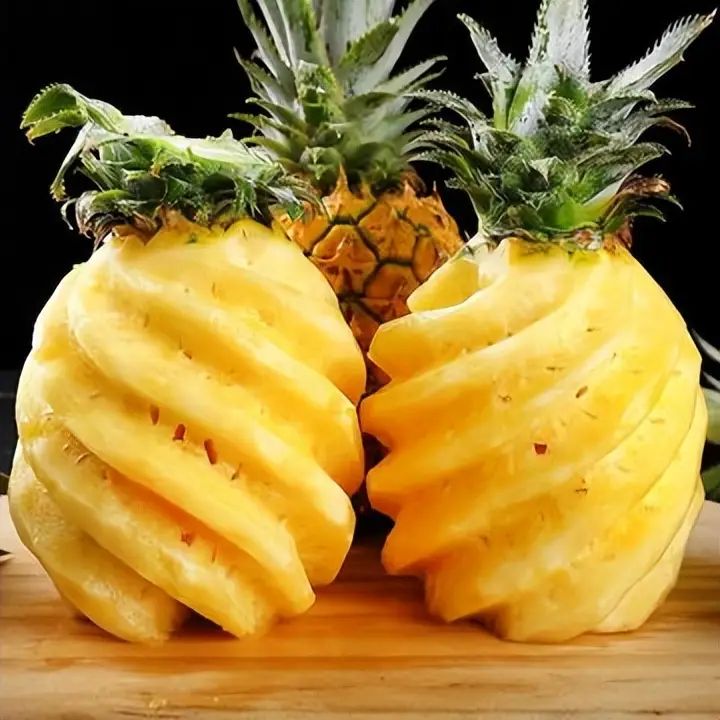
In the area of cooking, pineapple is often used in hot chinese foods, such as curry meat and pineapple fried rice, because of its sweet taste。
It has a good sense of mouth and fat, which enriches the overall level of vegetables。
Pineapple, because of its abundant water and its high sweetness, is more common in the areas of sweets, drink, e. G. Pineapple, pineapple juice, pineapple ice, etc., and directly used as fruit。
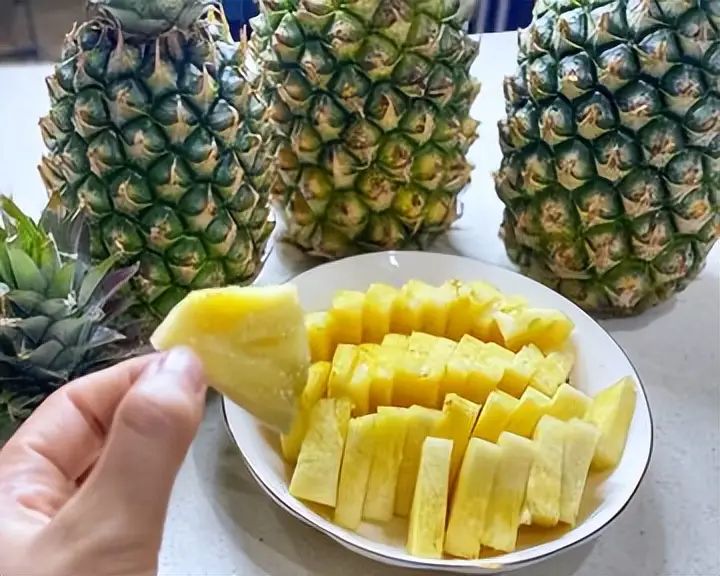
This difference in use reflects their differences in taste and ease of use。
Whatever choice is made, care should be taken in the selection to look fresh, colourful, and fragrance。
Pineapple and pineapple can be stored at constant temperatures for short periods, which should be closed for cold storage after they have been cut, and should be consumed as far as possible within two days to ensure taste and nutrition。
In addition, be careful not to empty the abdominal consumption and to avoid dysentery disorders caused by dystrophy。
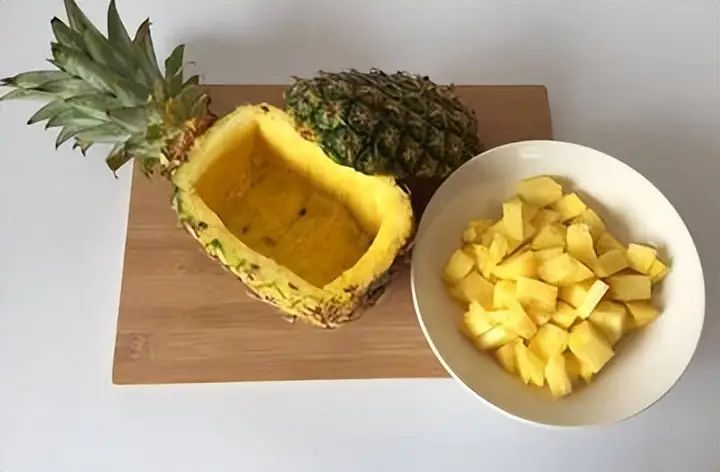
People who are allergic to pineapple or pineapple should also be careful to eat to avoid an allergic reaction。
While pineapple and pineapple are the same crops in plant classification, they show their own characteristics in plant varieties, appearance, oral experience, food patterns and even market prices。
This “similar” state of affairs is in fact the result of the intersection of nature with culture。
Understanding these differences not only helps us to make more rational choices in our selection and consumption, but also allows us to see the beauty of the rich and delicate details in the fruit world in our ordinary daily lives。
Pineapple or pineapple, as long as it's good, healthy and fit for itself, it's the best option。