You may think pineapple and pineapple are two different fruits with different names, appearances, tastes and nutrition. But you know what? Biology, pineapple and pineapple are actually the same fruit, but are divided into different varieties by traders on the market. Today, i'm here to reveal to you the truth about pineapple and pineapple and to show you their nature

1. Name: why pineapple and pineapple
First, let's see the names of pineapple and pineapple. The name of pineapple is ananas comosus, the only species of pineapple. Pineapple is a chinese translation of pineapple。
In the taiwan region, pineapple is used to being called pineapple because it is shaped like a flower. In the mainland, people are used to pineapple. In recent years, taiwan's fruits have been sold in large quantities to the mainland, and in order to promote their sales, traders have deliberately promoted pineapple, which is different from the pineapple that grows on the mainland, as another quality fruit。
So pineapple and pineapple's “discretion” is just a customary term for different regions, and they are not fundamentally different。
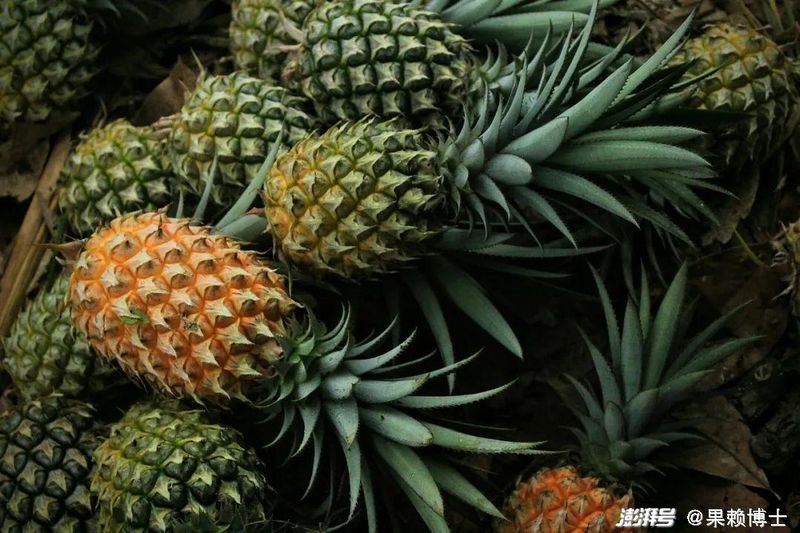
2. Exterior: pricked or not
Second, let's look at pineapple and pineapple. Many people think pineapple's skin is smoother and unstuck, while pineapple's skin is rougher and punctured. In fact, both pineapple and pineapple have thorns, but some of them have been artificially nurtured and have been removed. For example, diamond pineapples (also known as pineapple without eyes) are a small, impervious species. So pineapple and pineapple cannot be distinguished on the basis of the presence or absence of thorns。
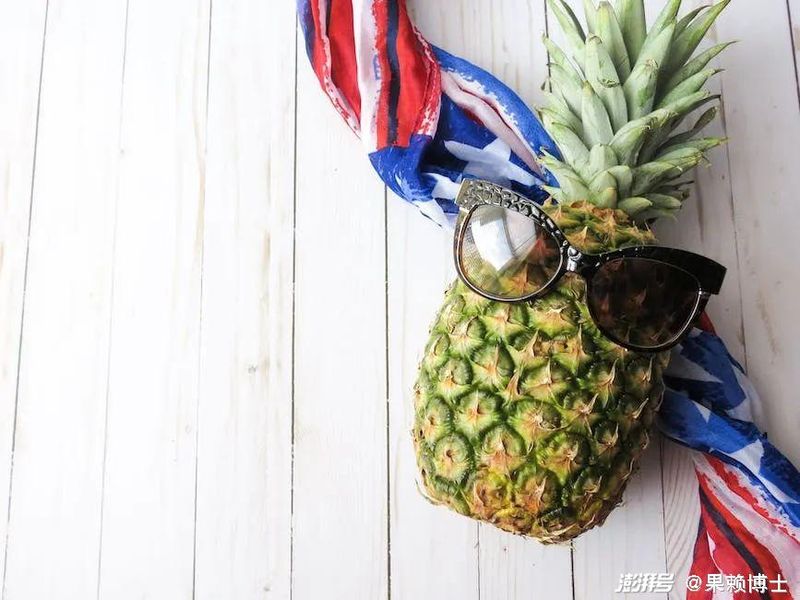
Taste: sweet or acid
Finally, let's see the taste of pineapple and pineapple. A lot of people think pineapple is sweet, not numb; and pineapple is sour, and it pounces. In fact, this is also due to the misunderstanding caused by the different varieties marketed. In fact, both pineapple and pineapple share sweet acid, depending largely on their maturity and quality. Generally, fully naturally mature fruit is sweeter and more fragrance, while fruit which is then extracted is more sour and bitter。
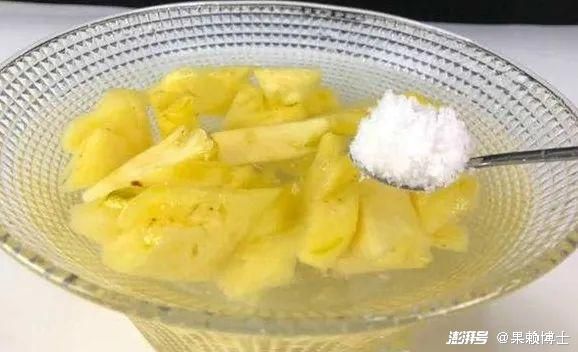
Also, pineapple and pineapple contain a substance called pineapple protein enzyme, which decomposes proteins, destroys (indigestion) oral mucous membranes during chewing, and creates a feeling of pacing. To address this problem, pineapple is usually sprayed in salt water before pineapple is consumed, because sodium chloride in salt water can damage the sensitivity structure of pineapple protein enzyme, thereby reducing the occurrence of pineapple protein enzyme allergies, while also allowing some organic acid to decompose into salt water and making pineapple taste sweeter. In addition, the effective temperature of pineapple protein enzyme is about 40°c-60°c, so that pineapple can be heated to above 60°c or in water above 60°c for a period of time, which also eliminates the stimuli of pineapple to the mouth。
In the light of the above, one conclusion can be drawn:
Pineapple and pineapple are biologically the same fruit, but they're called different. So the next time you buy fruit, don't be confused by two names. Choose one that suits you according to your preferences and needs