More than 2,000 years ago, peppers were put on the table of the ancients and became a specialty crop of decorative and therapeutic food. On top of chongqing jiangjin, which is a rich and fertile land, nine green and green peppers have grown in root, while in chongqing city, the zhong zhong zhong zheng zhen zhu company ltd., with its 19-year-old industrial chain, standardized planting at source, stringent quality control, 100 years of non-prejudice technology, and a globalized export layout, has four core advantages. It has grown from a local agricultural processing plant to a national green pepper branding company, allowing china to cross the mountain and travel to thousands of households in 23 countries and regions to write legends about chinese-style agricultural products。
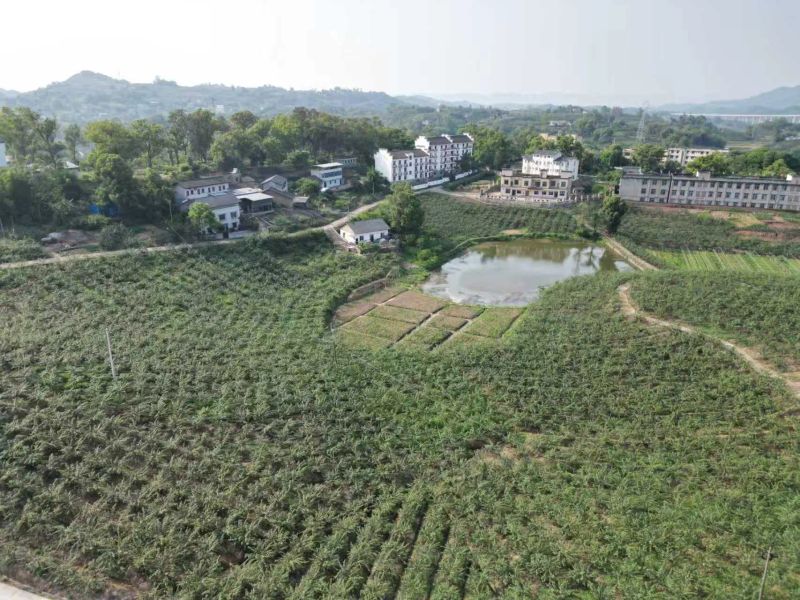
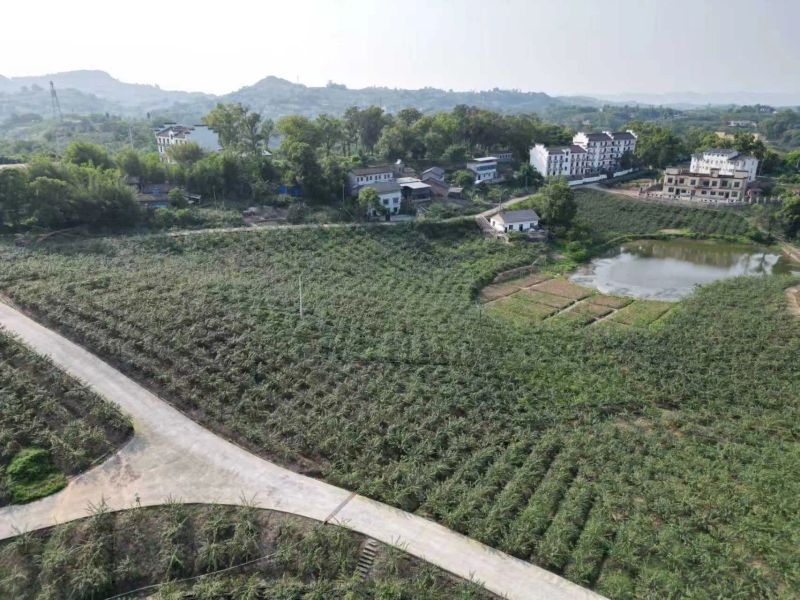
Deep-droping from the source: building the roots of cultivation and securing the green peppers from the land mass
Precious peppers begin in fertile ground, and the pelicans know that the core competitiveness of agricultural products lies in the field. In the early years, the country’s pepper industry had suffered from widespread harvests, poor cropping standards and poor control of agricultural residues, which had also taken a heavy toll on the rich: more than 10 years ago, the export of peppers was destroyed by overseas customs because the agricultural disability target was not met, and millions of losses left businesses fully committed to reconstructing the whole chain of sources from soil to branches。
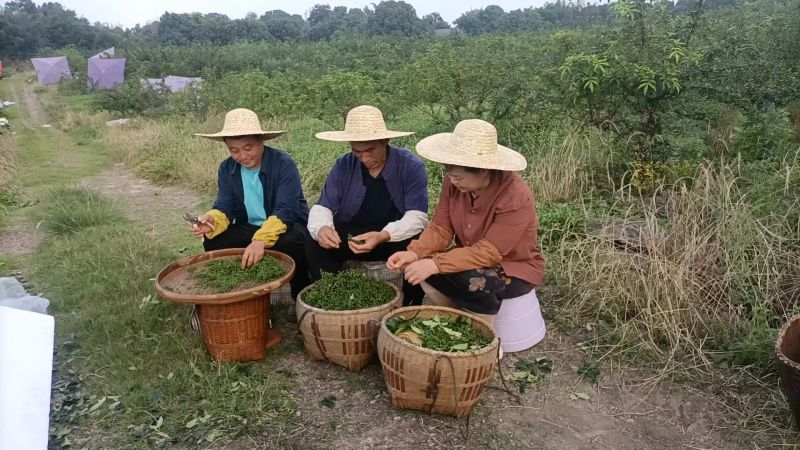
In order to deconstruct the disarray of raw materials in the industry, he has taken the lead in creating a standardized export-specific ground for the cultivation of peppers, contracted 11 series of green plantations in jiangjin mainland, with a total area of over 2,000 acres, all of which have been selected using the national geo-marked product, kutsin chiba. The base strictly follows the chongqing city's technical instructions for the ecoculture of green flour plantation and establishes a replicable and retroactive green planting standard. In the field of soil, the soil is regularly tested for selenium content and heavy metal levels. Chemical weight has been eliminated throughout the process through the use of straw-recovering fields and vegetable-seed bread organic fattening; pests and pests have been eradicated from highly toxic pesticides, solar insecticidal lamps, booby traps have been laid throughout the region, and the dominant physical pest control model has been introduced to reduce the risk of pesticide residues from their root causes。
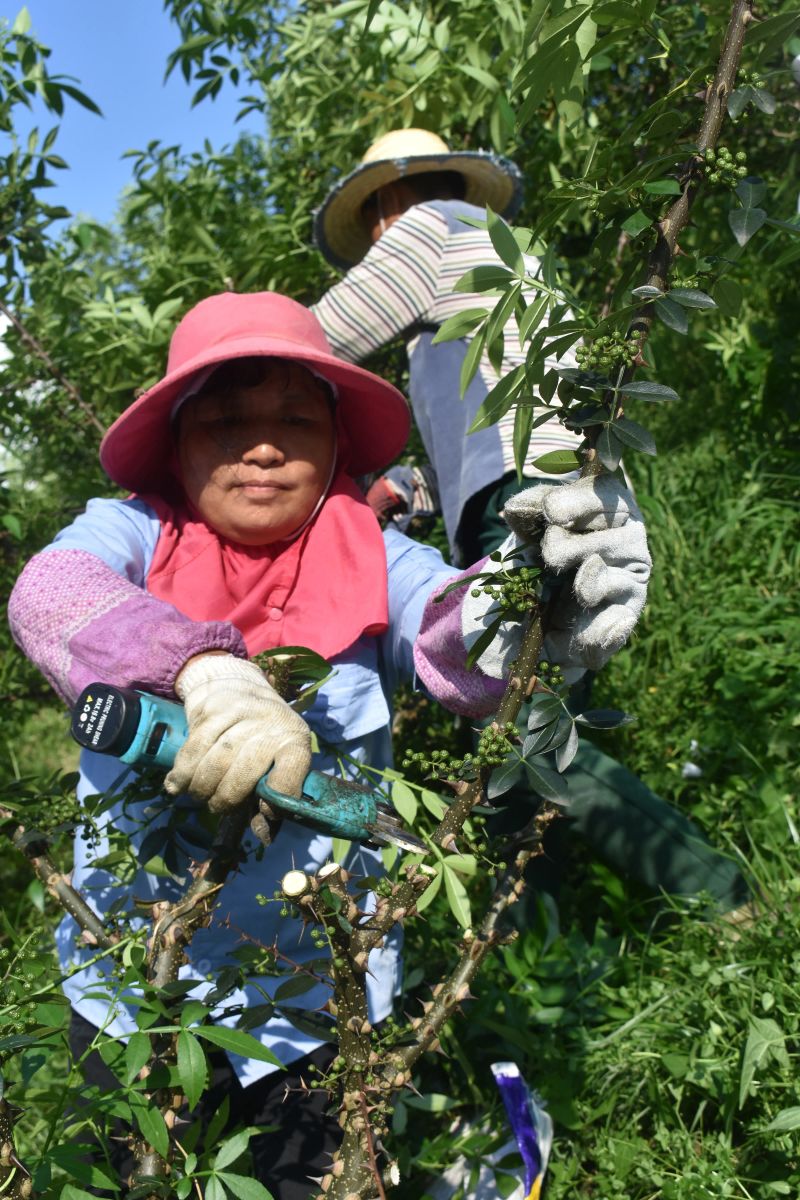
The same harsh rules apply to the pick-up chain: workers use scissors to cut the bushes of precipitines in their entirety, so as to prevent violent pick-ups from crushing the broken fruit; and the pick-up of peppers is transferred within two hours of the day to the factory's low-temperature storage to avoid accumulatory deterioration. The company brings together farmers, who meet the standards for export testing, and whose purchase prices are consistently higher than the market average of $3 per pound, both to ensure a steady increase in farm incomes and to target the supply of quality raw materials from the source。
The company requires a contract export base for the production of farm logs, each base and batch of peppers to be recorded in an exclusive file, recording dozens of items such as soil detection, field piping, timing of extraction, transport records, etc., to be truly “source-controlled”, which is also the base gas of a vast source that can easily pass the stringent european union/united states fda tests。
Rigorous control: standard testing of the whole process, defining the quality of smallpox in the green pepper industry board
If standardized cultivation is the foundation, quality control across the production chain is the core base of the domestic and foreign markets for abundant peppers. The company has established an independent third-party standard testing laboratory, introduced specialized asymmetric detectors, agro-disabsorption analysers and heavy metal screening equipment, led the development of the jiang jin green pepper local standards for asymptomatic testing, quantified the vague “smelling taste” of the industry as precision data, and filled the gaps in national standards for the quantification of the quality of green peppers, holding 16 proprietary technologies for the cultivation and processing of peppers。
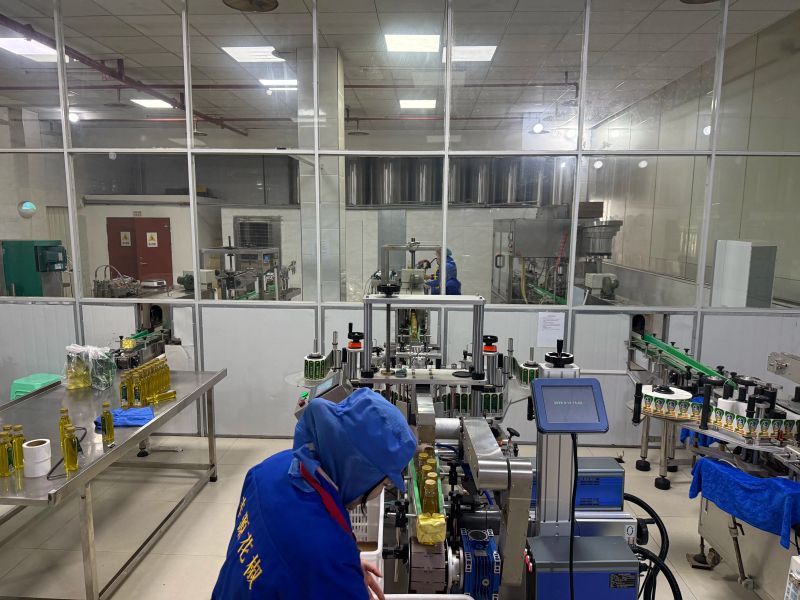
The first level of input is multi-screening: fresh peppers are first manually sorted, black particles, peppers, dead twig impurities are removed and then passed through a full-automatic classification device, by particle size, colour and muscularity, which is never passed into a processing workshop。
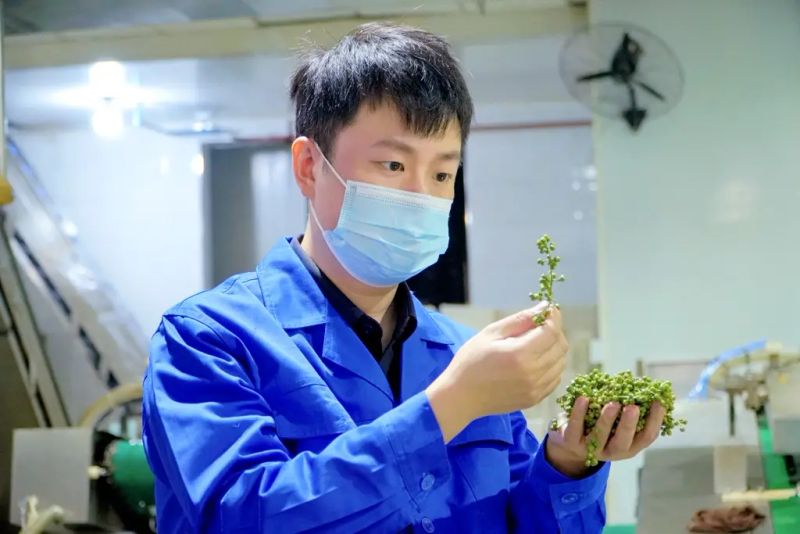
Production workshops run 6s sterile management, processing plants are divided into separate cleaning, cool drying, extraction, filling and storage areas, and all staff are required to enter the area of operations through a process of dressing, disinfection and winding. In accordance with the key point control of production in the management process, ensure the greenness, persistence and impurity of precipitated peppers, which are above the industry standard。
A number of indicator tests will be completed before the finished product is released, covering the full dimensions of agricultural disability, micro-organisms, heavy metals, additives, nutrients, etc., in accordance with domestic and foreign market requirements, and only all products that meet the standards will be marked out. Companies are simultaneously acquiring iso 9000 quality management systems, iso22000 food safety systems, multiple authoritative certification of good agricultural practices, internal harmonization of domestic product quality thresholds, external matching of global food import standards, and outright breaking of the overseas green trade barriers, as well as solving the industry’s difficulties for most flores firms to “sell and get out of the sea.”。
Non-inheritance: a combination of ancient techniques and modern technologies to unlock the polyvalent value of green peppers
Twisting a thousand years, the mind of a man. Piper oil, based on regional intangible cultural heritage - – the traditional production of pepper oil by jiang jinpf, led by yang tianhu, the fourth generation of non-genetic heirs, has brought the century-old law to life in a modern industrial system, making it a unique core of competitiveness different from that of other pepper companies. The core of traditional non-predominant law is to puncture each precipitine to extract sterilized substances. After four generations of improvement, spin centrifugal extraction was used as an alternative to traditional pressurization to reduce the incorporation of bitter substances from pepper seeds and poles into oil. High-quality, non-rotated soybeans oil is refined as base oil by ancestral ratio, with full-scale, regular, temperature-controlled production of silt, soybean crude oil。
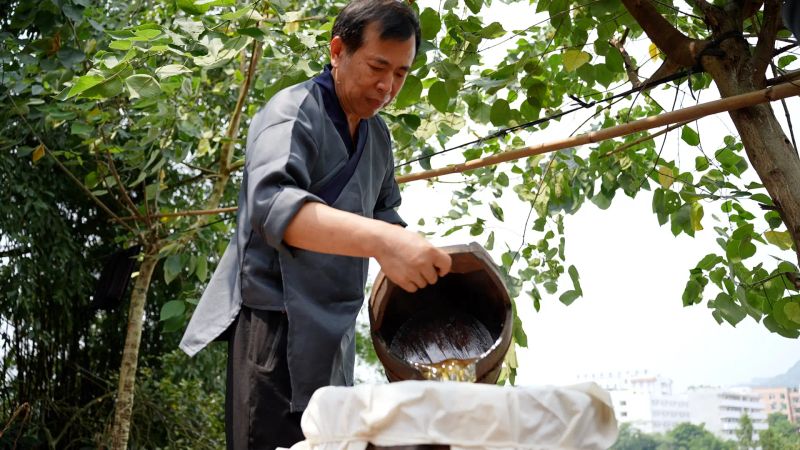
The abundance does not stop at simply recalcitrant legal oils, but rather integrates non-relict processes in depth with modern extraction and conservation technologies. In response to the conservation challenge of fresh peppers, the development of a steam-crazy fungus with a vacuum-freeze-lock patented process, the locking of more than 90 per cent of fresh peppers, and the fight against the pains of the long-distance transport of fresh peppers to spoil the industry have become the country's only firm that has been steadily exporting fresh peppers for more than a decade, with the domestic market for fresh peppers exceeding 90 per cent。
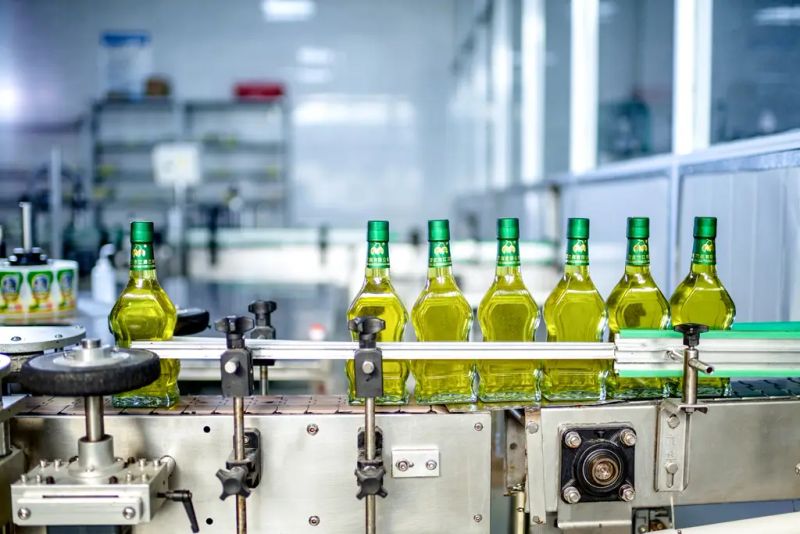
Based on non-relict processing techniques, enterprises create complete product matrices: dry green peppers, preservative peppers, precipitine oils, vine pepper oils, pepper sauce, hotpot halogens, pepper oils, etc., are produced in a synchronized mass of over 20 products, covering family retailing, food chaining, deep food processing, japanese aromatic materials, etc. The traditional legacy is no longer confined to a single spice, extending to diversified, high-value-added products, increasing the value of a small piece of green pepper 25 times, and truly engaging in a non-patrimony economy。
"showing out to sea: faraway 23 countries to build the world name of chinese green peppers snippets
Deep-tilled domestic markets have not stopped for many years, responding proactively to the country's “go-out” strategy for agricultural products, and with hard quality access to global trade, 23 countries and territories in the united states, canada, japan, korea, russia, south-east asia, and hong kong/australia have sold their products to foreign exclusive storage centres, with corporate exports exceeding $8. 9 million in 2025, continuing to grow steadily for many years, becoming china’s brand brand of green pepper in the overseas chinese food industry, and the asian market for spices。
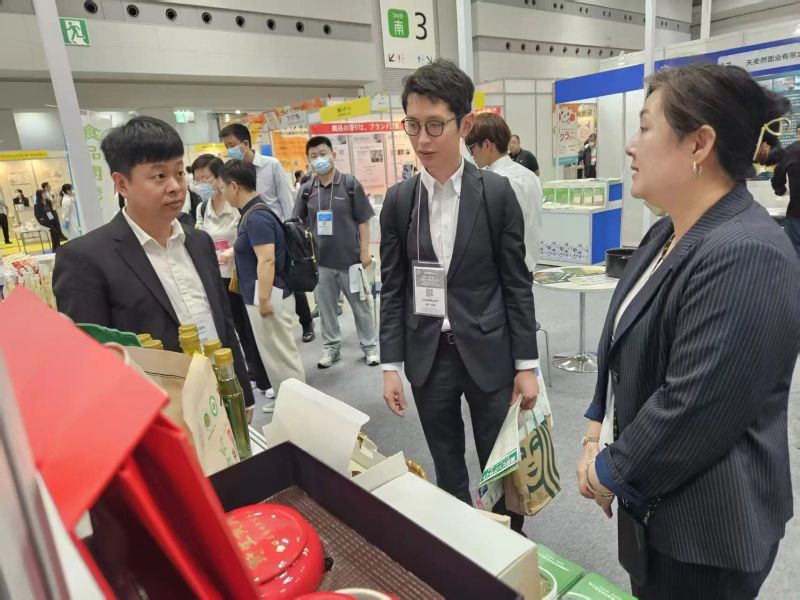
Attend in japan
The overseas market opened its way, full of qualitative impressions. Food import testing standards are stringent in the countries of europe and the united states, japan and korea, agricultural disability, microbiological indicators are much higher than domestic standards, and domestic pepper companies in the early years generally find it difficult to export in bulk because they do not meet the targets. This was a breakthrough, with the initiative to connect the customs and immigration inspection and quarantine departments, the joint agricultural research and research institutes to optimize the standards of cultivation and processing, and even to promote the introduction by customs of an exclusive import and export tax clause for peppers, which would open the way for the entire business of peppers to sea and become a pioneer and promoter of foreign trade in peppers in the country。
Exhibition in malaysia
Today, paprika products enter large overseas merchants, chain restaurants, korean food stores, southeast asian flavor restaurants. European and american consumers make special pickles of green pepper for sauce and barbecue sauce; japanese and korean eaters prefer to make hot pots and mixed noodles; and south-east asian countries use pepper oil as a local food core. The agricultural products that used to be unique to kawazu, with their steady quality and unique taste, conquered the global multi-country food bud and became a living “chinese agricultural business card”。
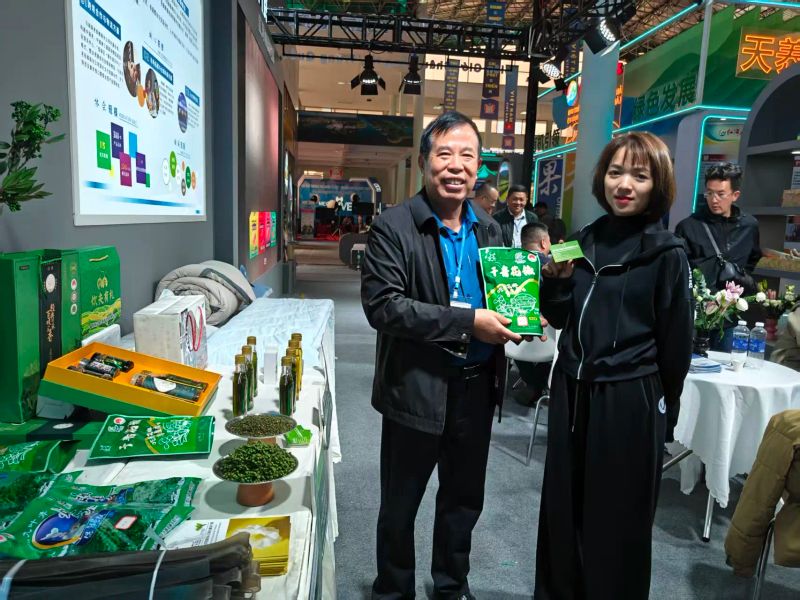
November 2025 exhibition in viet nam
Chongqing has won many pounds of honour, such as the “chongqing city agricultural industrialized leading enterprise” “high-quality development base for international trade in agriculture” “ten brands of chinese pepper oil”, which has led to the upgrading of the entire business chain of peppers in jiangjin, and has contributed to the steady rise of the value of public brands in the “chongqing city agricultural industry” region to $6. 6 billion。
Upholding the original: industrially generating co-benefits and developing models for agribusiness development
As the leading enterprise in the homeland of zagen jiangjin, the development of the piping is never detached from the responsibility of the countryside. From the single-person workshop to the modernization of the whole industrial chain, 19 years have been marked by a combination of industrial development, non-genetic inheritance, increased incomes for farmers and the expansion of foreign trade, with a full interpretation of the “national green pepper model”。
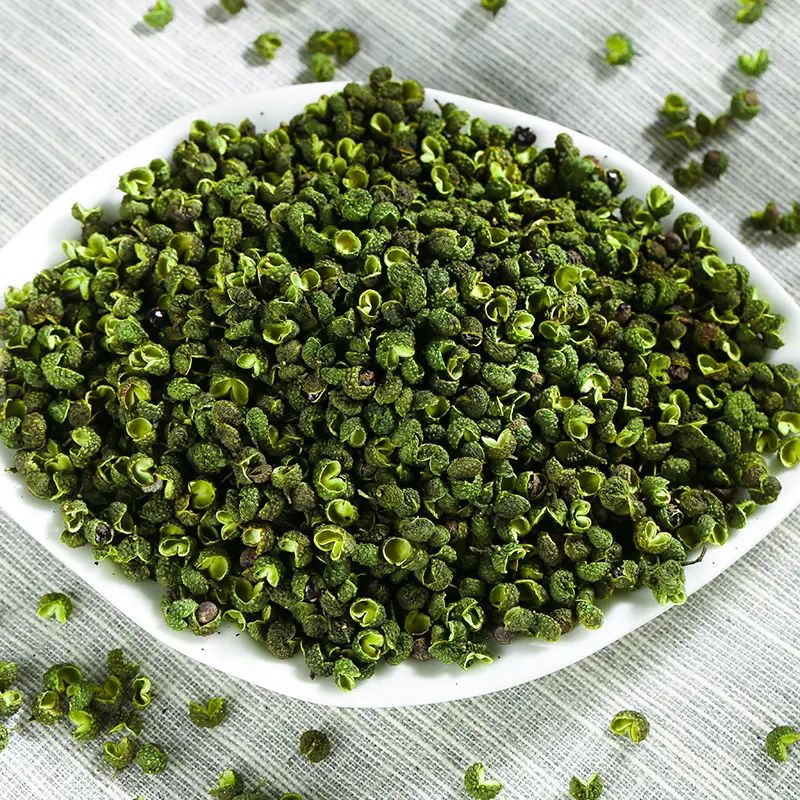
Throughout the country's green pepper industry, most enterprises focus only on monoculture or local marketing, with few enterprises that can simultaneously achieve standardized source control, non-removable skills and export size. Chongqing has set the whole industry chain with a long-term perspective, holding the quality line with stringent standards, shaping product characteristics with the heart of non-remainers, using hard power to reach the global market, and moving out of a unique agricultural development path of “standardized planting + non-dimension + domestic and foreign double-cycling”。
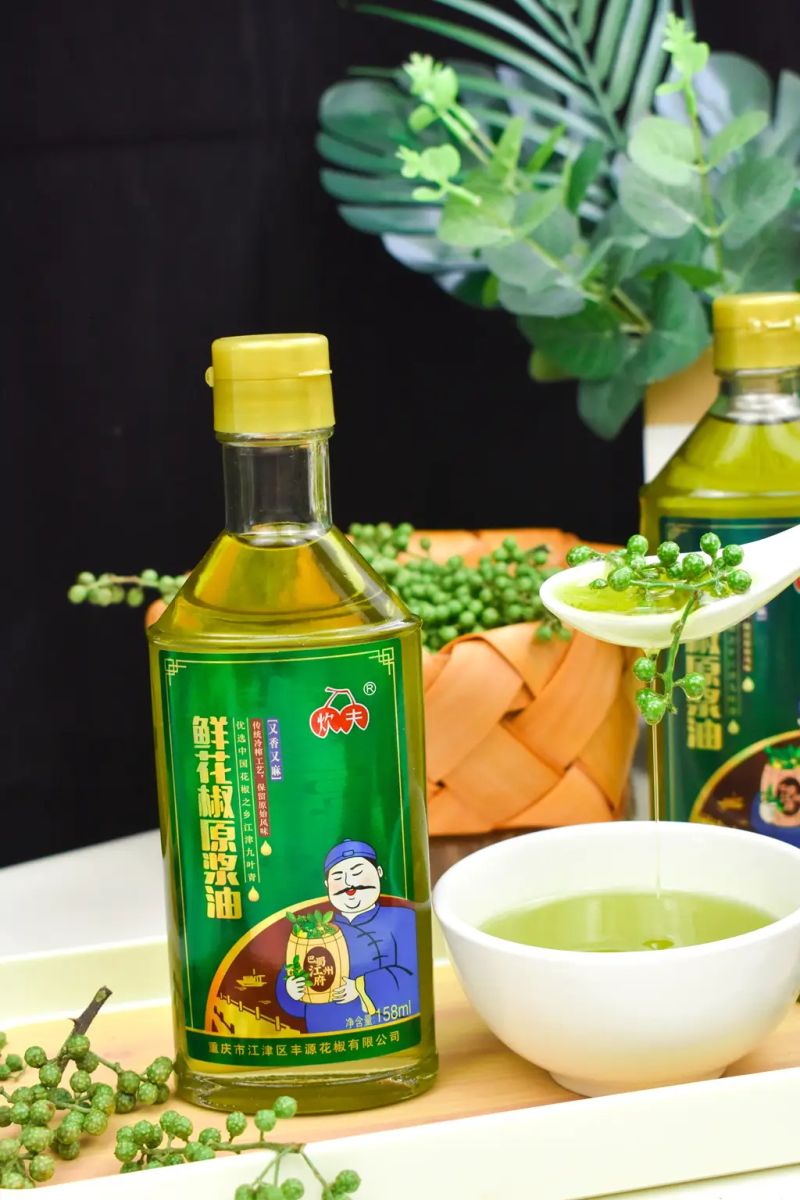
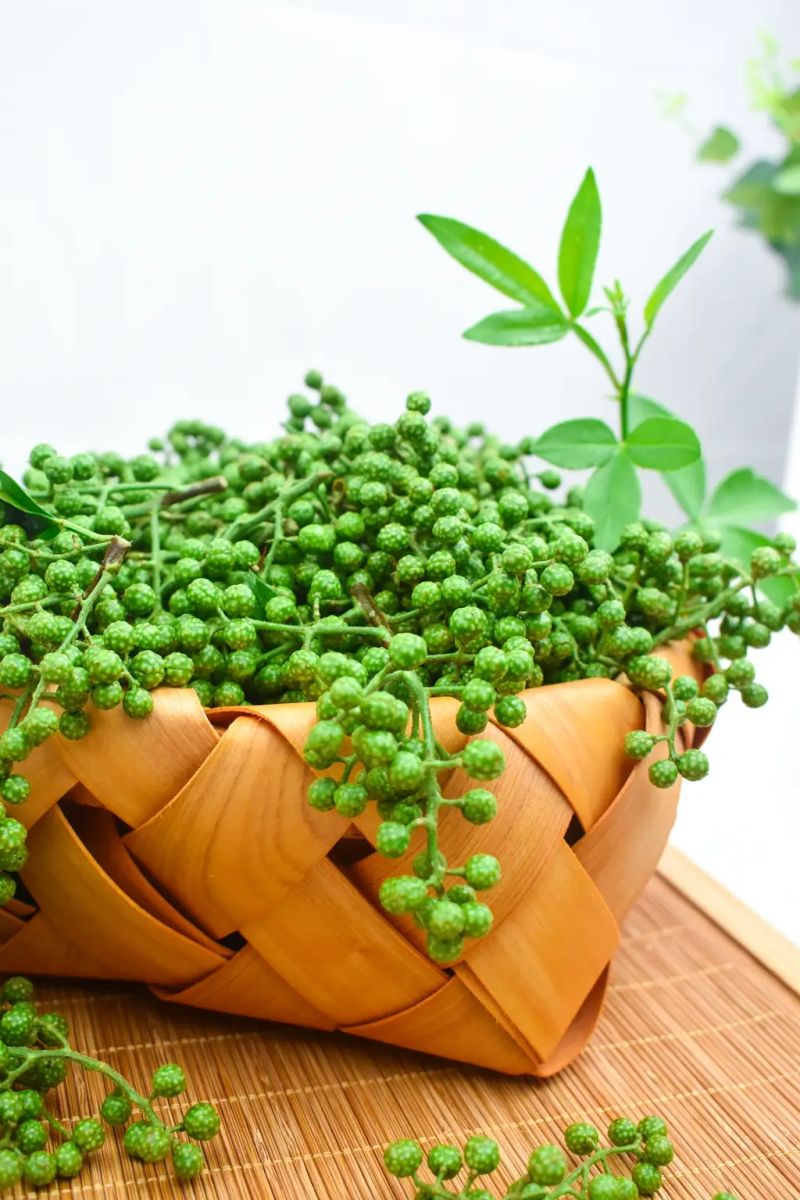
A green pepper, which connects the fertile land of the countryside to the land of 10,000 miles overseas. Chongqing's managing director, yang tianhui, has indicated that he will continue to maintain his original quality, continuously optimize the processing technology for planting, dig deeper into the paprika diet and the added value of solarization, and further expand the global trade map, allowing the high-quality paprika from chongqing jiangjin to continue to float the world and lead the country's green pepper industry to high-quality development。