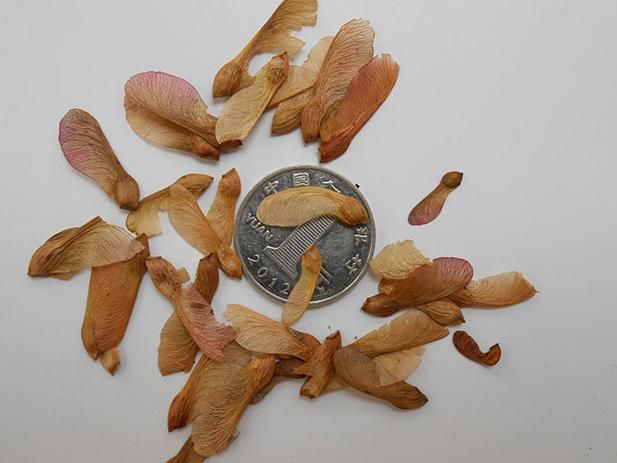
Onions are more adaptable, and the crop is relatively short-lived, is less vulnerable to infection by pests and pests and is easier to plant. Although the average acre production is only about 1,000 kg, onions have higher economic benefits。
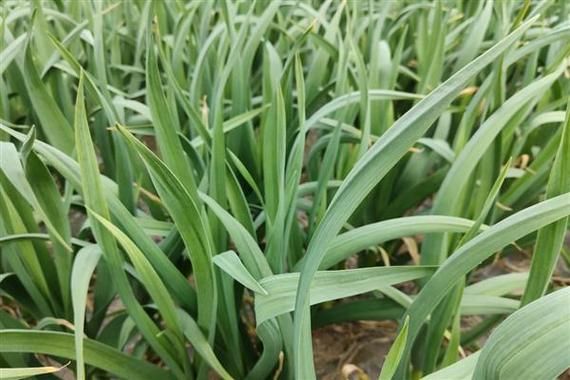
The onion is a cool growing environment with strong cold tolerance and heat resistance. It is more suitable to germinate between 13 and 20 degrees centigrade, to grow between 18 and 23 degrees centigrade, to grow between 18 and 23 degrees centigrade, and to grow from 14 to 18 degrees centigrade for roots, and to grow slower for crops above 28 degrees celsius. This is due to the relatively shallow distribution of the roots of the plant, which is less water-intensive than onions, but is resistant to drought, the soil is suitable for 70 to 70 per cent moisture. Plantation requires a medium intensity of light conditions, and the tissue of planting in times of strong light conditions is very susceptible to aging, more fibres and less quality, and is more suitable for field cultivation in soil laxation, fertility and a better drainage and watering environment。
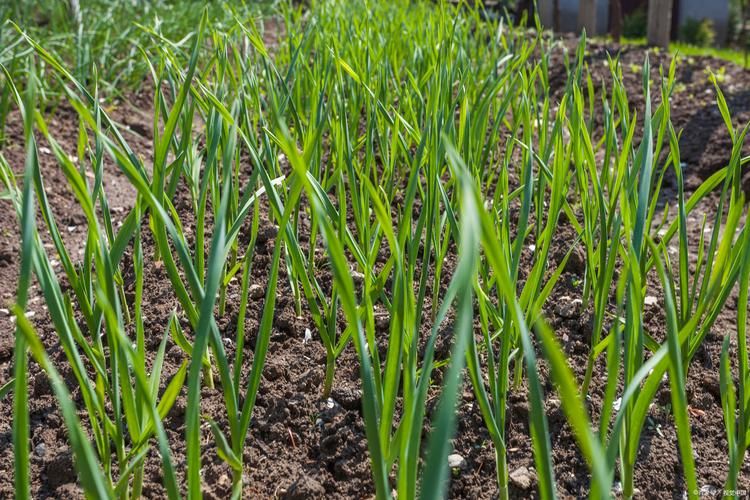
Cultivation occurs in the spring and autumn seasons; protected areas can be sowed throughout the year except in the summer; and sunnets can be installed during the summer. The harvest is usually 60 to 80 days after planting, and a month after planting can be picked。
Both seedling and shifting fields require finely and adequate application of base fertilizer. An average acre application of about 3,000 kg of decomposition, shredded organic fertilizer or 1,000 kg of condensed chicken dung; the construction of compartments about 1. 5 metres wide and about 8 to 10 metres long, and of plots more vulnerable to flooding in the summer and low-lying areas, require the formation of high-level lumbers from 15 to 20 centimetres above the ground, with drains around them. Cultivated seedlings are planted using strips, or by sowing, which require a spacing of approximately 10 cm, with a cover of approximately 1. 5 cm to 2 cm thick; an average acre range of 2 to 4 kg is used to avoid underground pest hazards, with the option of sifting the ground with thionphos-methyl before seeding, and the use of trichlorfon fragrance to make a bait, so that it is distributed to the nursery bed after seeding at night, with enough bottom water。
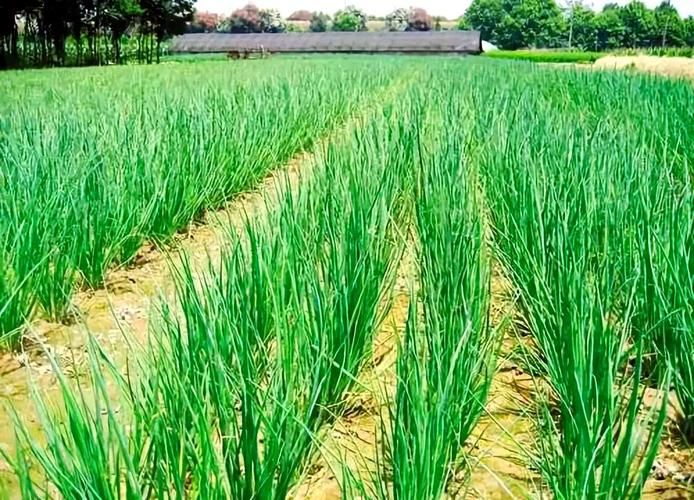
The soil is free from drought before, after and after the seedlings grow and are replanted. It is appropriate to pour small water more than once, to control the onion seedlings growing between one and three leaves and shifting the seedlings, and to carry out pine cultivation one or two times, thus contributing to the growth of the roots of the crop, usually every 7 to 10 days. If the application is less based on the application, or if the harvesting period requires one to two times the demand for fattening, the average acre application is approximately 300 kg of consumable condensed chicken dung and the planting of the plant is done in time. At the end of the day, the roots of the plant should be given between one and two times。