The thermostat is the most important device for electric kettle products, and it is also the core component of the kettle, whether it is heating or heat protection, which is operated and operated by the thermostat, but the thermostat is also the most vulnerable, so what's wrong with them and how to repair them。
The light is not hot and the light is not on. The failure is often due to the failure of the power supply to join the electrical thermal circuits. The repairs can first measure resistance at the end of three core plugs l and n on the base power line using the range rx10. When normal, the electrical resistance is platinum at the time of failure to press the re-entry switch, and the corresponding resistance value of 1,500 w electric kettles at the time of pressing the button is about 32 times。
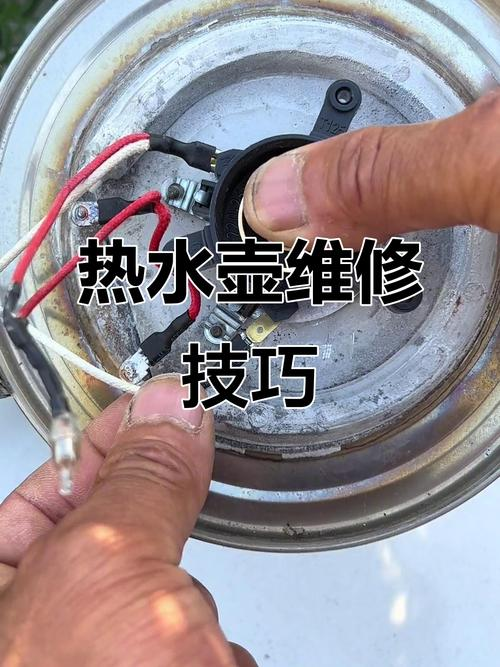
If the barrier after pressing the button is still platinum, this means that the heating tube circuit is not working. At this point, the canteen 3 core plugs n and l can be measured as resistance at both ends, with normal values as above. If the results are normal, indicating that the fault is in the bottom, the power lines and the bottom outlets should be checked for broken or poorly connected, and the base structure is simple and the fault is generally quickly located。
If the electrical resistance is still measured as platinum, which means that the failure is in the kettle circuit, the handle mask components, etc., should be removed and repaired. The focus is on power (re-entry) switches and temperature protection switches. Table rx1 can be used to check whether switch action and contact breakup are good. If they are found to be in poor motion, they can check the normal bending angle of the small tongue of the sensor and the position of the switch link, or they should be corrected separately; if the switch action is normal and its contact point is not connected, the switch spring or contact point is damaged and the switch box is removed and repaired。
If the power switch is normal, most of the failure occurs at the temperature protection switch. First, see if the two-metal tablets are pressurized on the switch trigger (white plastic pole) and if overstretched, they can be bent upwards with a twig until they are between 0. 5 and 1 mm. If the distance between the two-metal piece and the switch handle is normal, the switch box should be removed and the contact points and springs of the maintenance of the thermostats removed。
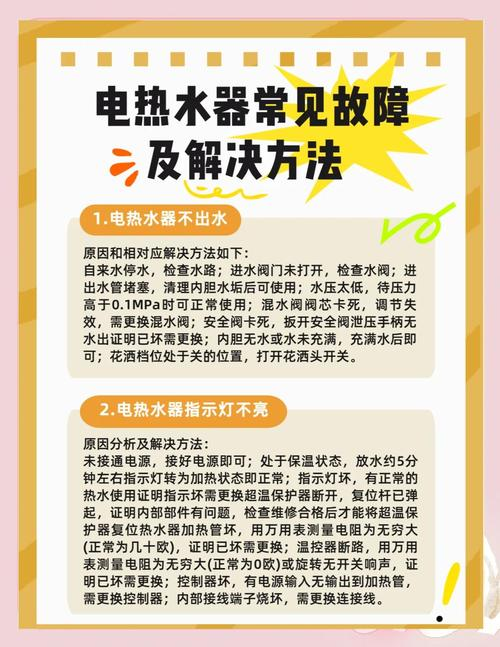
1. No heat after electricity has been turned on, but signal lights are on. Poor exposure is mainly due to severe corrosive or deformed contact reeds in the power plug component, which can remove the switchbox for clean-up and repair, and the damage is best replaced。
2. Electricity after boiling water. This is mainly due to the failure of the re-entry switch. The common cause is the severe disfigurement of the sensor tablets or the disruption of the switch pole movement. For the former, the convulsion of the condensation angle of the little stench of the thermostat allows it to drive the switch pole in a normal way; for the latter, it is necessary to identify the blocked parts or foreign objects。
3. Electricity continues during dry burning. The water in the pot is dried or the empty kettle is opened for some time without automatic power cuts, mostly due to the failure of the thermostat. Double metal pieces can be checked for distortion or relaxation。
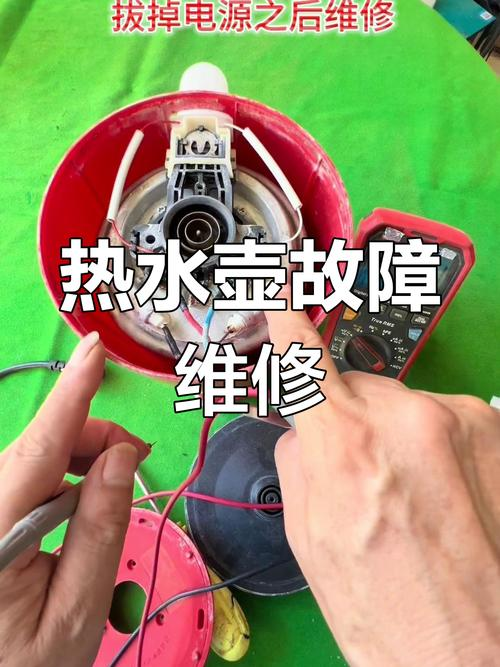
4. Slow heating. Check whether the electro-thermal tube is severely accumulated and whether the contact between the base and the kettle power plug is severely poor。
As we all know, thermostats are the most critical and important place for electric kettles, and if problems arise that would most likely deprive them of their original functionality, which we often encounter in our usual use, it is hoped that the above-mentioned text will help you to find out where the thermostats are and can be well repaired and maintained。