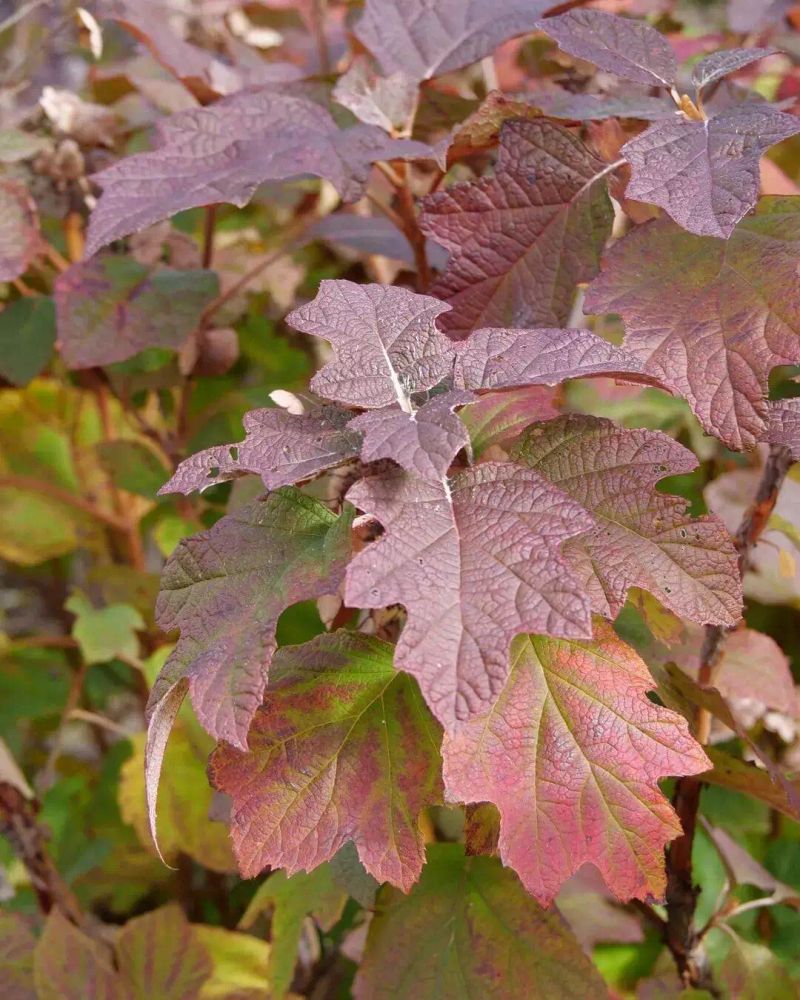
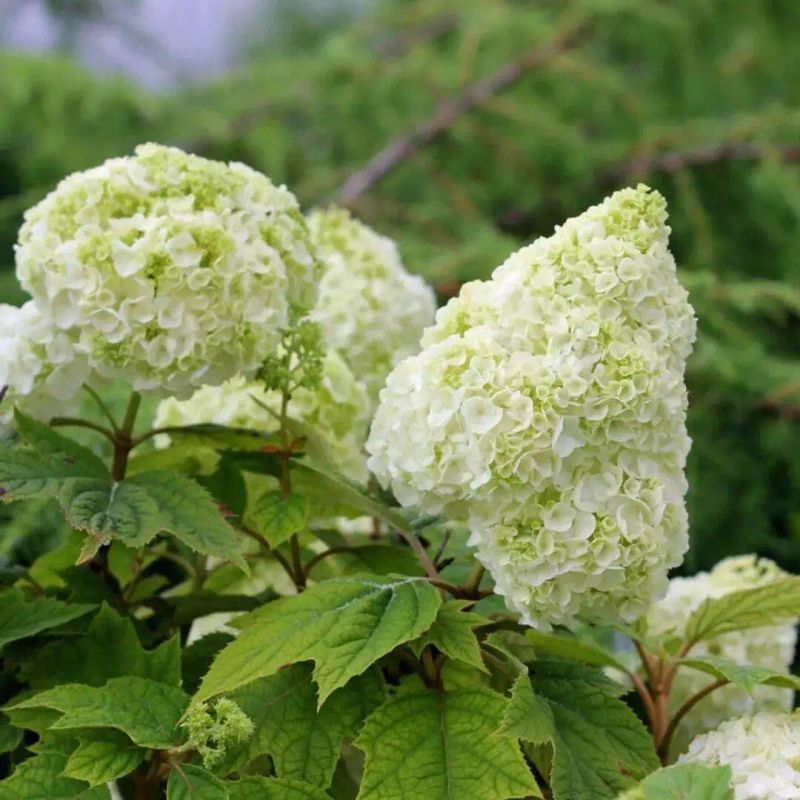
The embroidery ball is an easy-to-maintenance, four-season shrub, and its serrated blades turn into bright red, purple and orange in the autumn. An elegant white cone rose in summer and gradually faded into pink and soft beige, with flowering periods lasting until autumn。
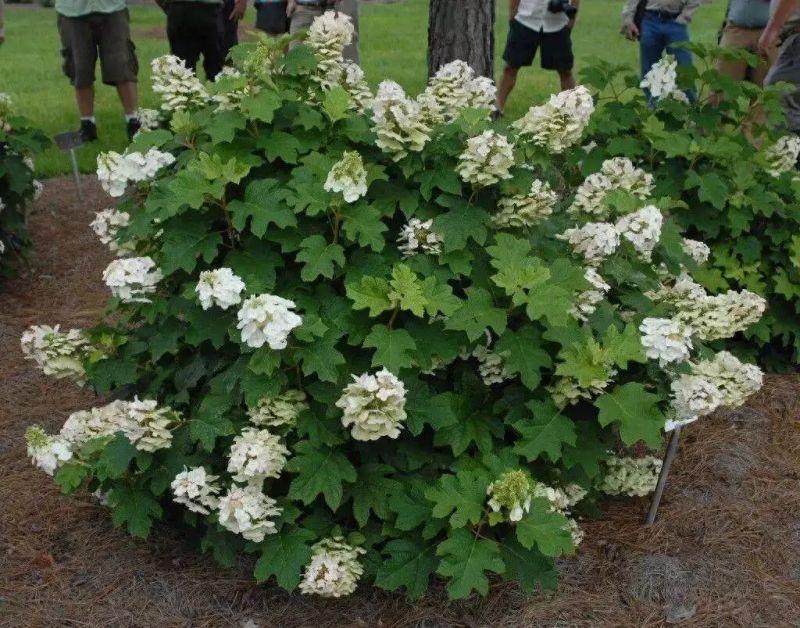
In winter, its charming cinnamon skins are especially visible, and the embroidery ball is cold. The elastic embroidery ball is best grown in a well-soiled environment, needs shades at the hottest of the day and requires less water than other embroidery flowers。
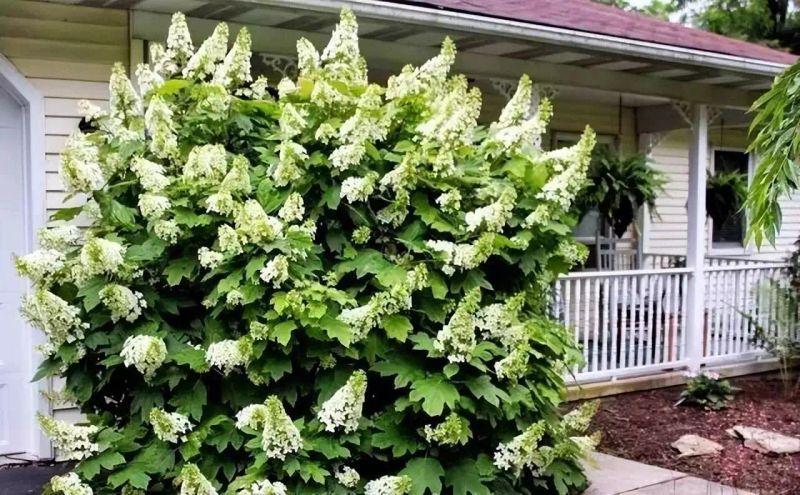
Standard varieties such as snow queen are high and can be 4-6 feet (1. 2-1. 8 m), while dwarf varieties such as pee wee and ruby slippers are smaller. The embroidery ball can be used as a basic plant and may be planted in a flower garden with other plants。
Cultivating embroidery balls
When to plant
In order to avoid transplant shocks, embroidery balls should be planted during the milder months of the spring or fall。
Plantation sites
They are placed in places that can receive at least four to six hours of direct sunlight per day. In hot weather areas, shades are needed in the afternoon。
Methods of cultivation
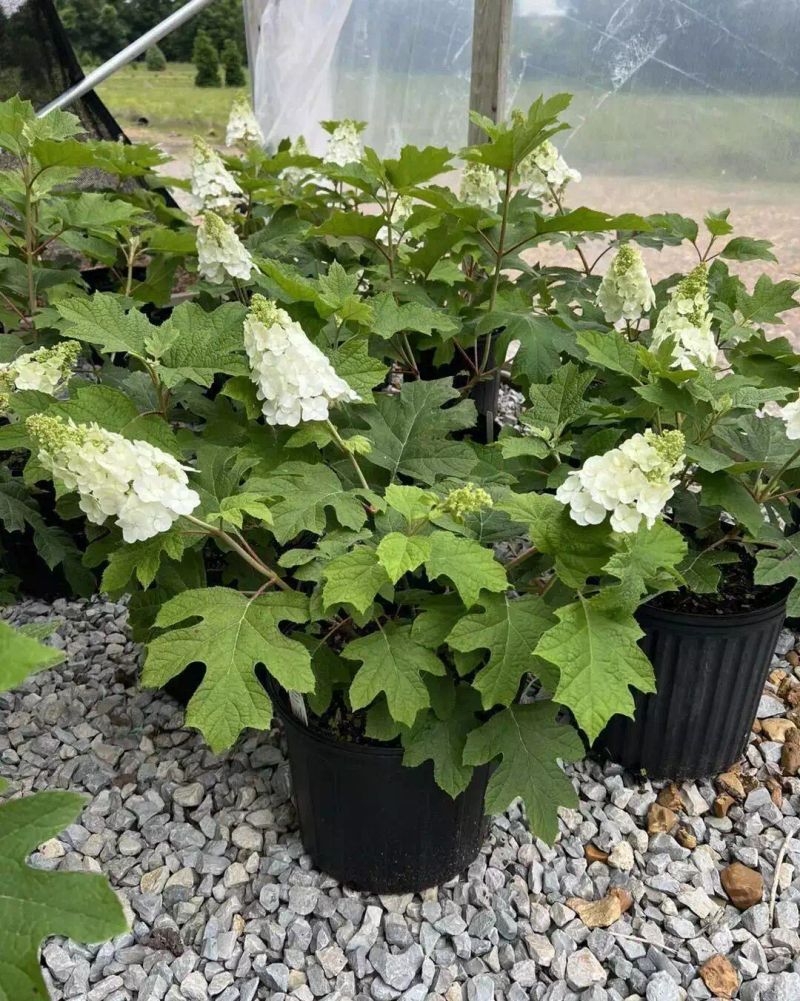
Soils in loosely cultivated areas and the addition of composting or other organically rich fertilizers. Dig a pit 2-3 times wider than a ball, slightly shallow. Plants are removed from the nursery basin and if the roots are entangled in the basin, the root system is relaxed. Plants are placed in pits to level or slightly above the top of the root ball to the soil surface. Fill the pit with soil, press it gently to excrete the air and then pour water. Water is regularly poured until plants are alive。
Conservation of embroidery balls
Cuts the twilight embroidery ball
The embroidery ball blooms on the old branch and does not need to be trimmed frequently. In the early spring, we trim dead or sick branches. If you need to trim the strain, just cut the branches above the leaf node. After the flowering period, the flowers can be removed。
Temperature
In colder areas, plants may be damaged by very cold weather. Plantation should be protected during the cold tide and planted in the wind to reduce the risk of freezing。
Soil
The embroidery ball prefers a fertile, well-watered soil, with a slightly acidic soil alkalinity (ph values 5. 5 to 6. 5). Early springs cover several inches of compost or shredded bark around the plant base to inhibit weed growth and maintain soil moisture. For pellets, use quality generic pellets。
Improved agents and fertilizers
In the early springs, the application of lightly-released particulate fertilizers made for trees and shrubs is used. This is repeated every spring。
Plants prefer wet soil and regular water. The embroidery ball is more drought-resistant than other embroidery varieties。
Insects and pests
In appropriate conditions of growth, the embroidery plumes are hardly affected by pests. Common pests include aphids, japanese beetles and red spiders. Common diseases include bacterial foliage, flate and pollen。
♪ and i'm gonna be ♪
For boundaries and landscapes
Embroidery balls can be planted in forested environments, in basic areas, in mixed borders, as hedges or barriers, or in landscapes。
For slopes and slopes
Cultivated a variety of embroidery balls along river banks or hill slopes to stabilize the soil and help prevent erosion。
The plant
Short or compact varieties are suitable for potting plants. It can be used as a decorative focus on the edges of the flower jar, the balcony or the balcony。
There are many ways of using a leaf embroidery ball in garden landscape design. The following are some methods:
1. Larger varieties may be used as background plants in mixed flower jars or woodland environments。
The planting of medium-to-large varieties along fences or land lines as a barrier to privacy。
3. The planting of embroidery balls around the foundations of houses, along with the permanent green plants and other shrubs that bloom at different times, can create colourful landscapes throughout the year。
4. Cultivate a larger plant in a flower jar or in a florist, so that it can be appreciated during the winter with its charming decorated bark. Other winter ornamental plants, such as iron chopsticks, golden sprouts, snow lily and sprouts, can be combined。
5. Growing large amounts of plants along slopes or slopes alone or in conjunction with other plants to help prevent soil erosion。
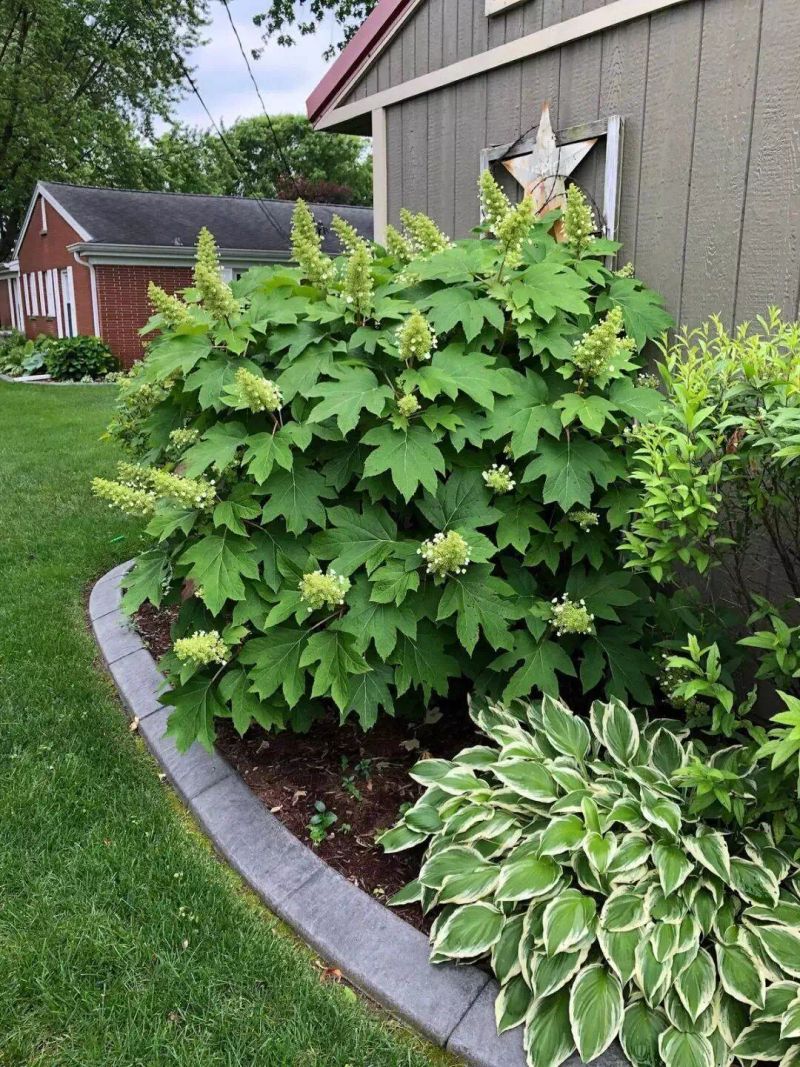
6. Use small to medium varieties to divide garden space。
7. A row of embroidery balls is planted by the side of the road, with flowers available for all seasons。
The planting of smaller varieties in containers, at the end of the road, at the balcony or in the courtyard, is a notable focus。