In the future, young people “cook at the door” and older people “care at the door” - services are being upgraded as the standard of living of the population improves. Family life is made easier by home-based services, which benefit from higher levels of consumption and increased access to mobile internet and online payments。
To go home to the hundreds of billion-dollar market
Going to the domestic service industry is an enterprise that provides door-to-door services to clients in areas such as home maintenance, home service and home service。
In recent years, with the spread of mobile internet and online payment technologies, as well as economic development and increased consumer capacity, china has experienced rapid growth in the domestic service sector. The blue book on the development of china-to-home services 2023 shows that users can easily book and pay for services through online platforms, while service providers can expand the range and quality of services through the internet. This easy-to-use service model has significantly reduced the cost of finding customers and increased the efficiency of matching supply with demand, thanks to the spread of mobile internet technology。
Over the past decade, with economic growth and increasing disposable income, the consumer capacity of the population has increased, providing a solid economic base for the domestic service sector and boosting its dynamism。
The survey shows that the market size of the domestic service sector was 44 billion yuan in 2017 and has been in the order of trillion since 2021 and is still growing. The growing demand for home-based services, as people's standard of living improves and their habits shift, has led to the rapid growth of industries and the emergence of diversified, multilayered and high-quality development patterns. At the same time, with the use of internet technology and smart devices in the domestic service industry, the industry and platform have expanded and the services have become more diverse, and the market prospects are expected to expand。
Home economics, laundry, renovations, education, massages, hairdressers, hairdressers, cooks, secondhand recycling... Today, almost all the traditional areas of service that you can think of are available at home。
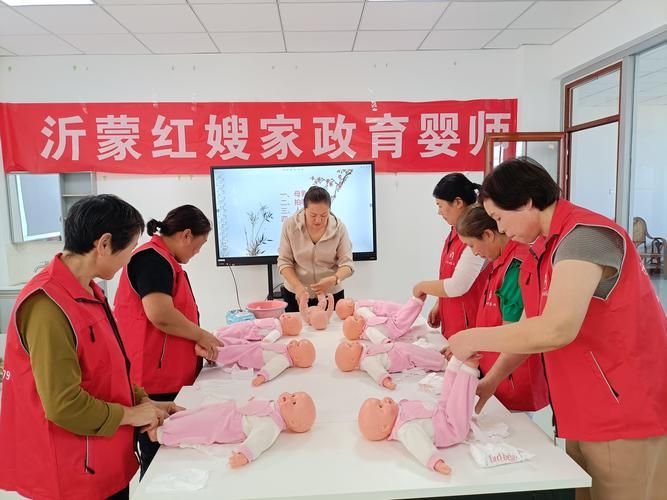
Increased number of employed persons providing professional skills services
After hours of sorting and collecting, the old mess room became organized-- as people change their philosophy of life, the profession of organizing and learning is becoming more familiar. In the new catalogue of professions published by the ministry of social welfare in 2021, the category of “register” is included in the category of “domestic worker”。
The emergence of new occupations has contributed to the growing number of workers in the domestic service sector and the increasing number of people opting for the domestic service sector to provide professional skills and services, which has also provided important support for industry development。
Policy support to the domestic service sector is also one of the key factors in its rapid development. The government had taken positive steps to promote shared economic development and employment growth, and had put in place policies to encourage innovation in enterprises, improve the quality of services and strengthen industry regulation, thereby creating a favourable environment for the development of home-based services。
The emergence of a shared economy has altered the inefficiency of traditional services, which require face-to-face, simultaneous trading and non-reusable, making service-type consumption readily and in bulk possible through “internet+” innovation, and has expanded the service radius and significantly increased the productivity of services. At the same time, the sharing economy has broken the information asymmetry between supply and demand, and the previously underutilized stock resources and labour have been fully mobilized, significantly enhancing the supply capacity of services. In addition, the shared economy has reduced the threshold and cost of innovative entrepreneurship, which in the past had to rely on organizations such as the firm for business behaviour, which can now be achieved by small individuals, increasing the richness and diversity of service provision。
Go home and cover static dynamic "home" scenes
In the event of a loss of hands at home, the cell phone screen is broken. At this point, it will take considerable effort and time to repair it, whether it be out of the house or sent for maintenance, and it will be a new, time-saving option: the applet is down, the master comes to the door in a toolbox in half an hour, and after a half-hour change of screen, the cell phone screen is fresh。
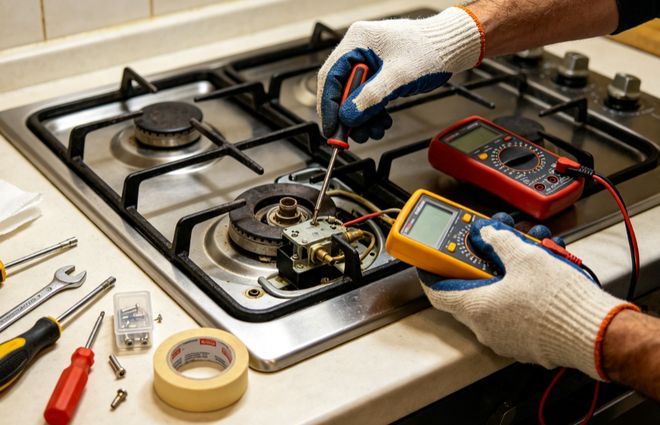
In the case of the above-mentioned mobile phone home maintenance service, which is constantly being upgraded with the rapid growth of the business, the platform is upgrading a single mobile phone maintenance operation to a combination of 3c digital and household electrical maintenance services such as aggregate mobile phones, smart equipment, robotics, drone maintenance, and vertical coverage of more sites, including the provision of original plant accessories, high-quality spare parts, installation, etc。
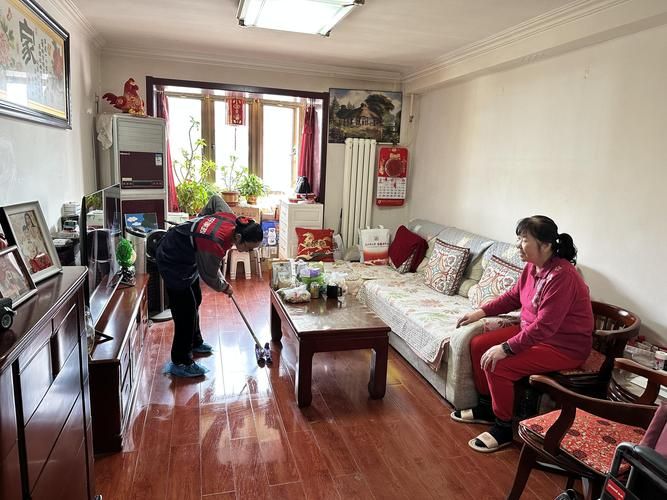
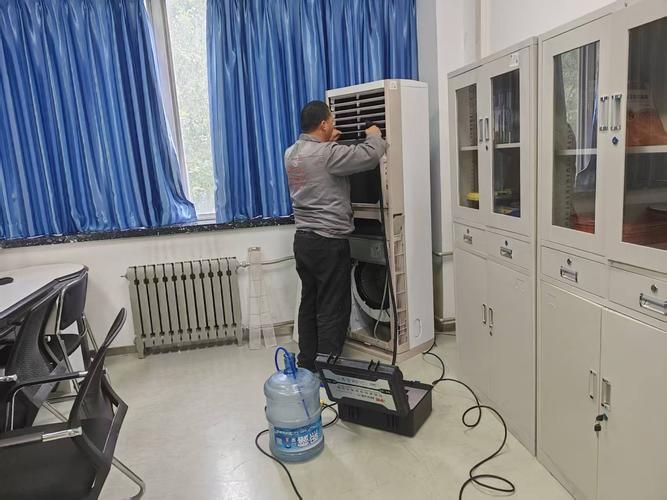
The rapid growth of the internet, artificial intelligence technology and technology provide technical support for the quality development of the shared economy and home-to-home service industries. With the internet and digital technology in place, the domestic service industry has been able to tap the needs of users around the “home” scene, covering not only static services such as home electricity maintenance, home services, housekeeping, home cleaning, but also dynamic services such as sister-in-law, tutorship, and old-age care, covering the needs of home-based food and living and old-age care. The rich diversity of these service scenarios meets the need for convenience and quality of life。
At the same time, the development and application of the internet has been effective in reducing the cost of finding home-based service clients, increasing the transparency of information between clients and home-based service providers, and improving efficiency in matching supply and demand in industry。
In this market of potential, many service platforms have been created, such as the flash, hi maintenance, 91-knocking, united divine state, fast-tracking national union, woodpecker home maintenance, tink repair, etc. Each platform has its own unique features and business models, providing consumers and service providers with more options and opportunities。
However, there are different operational pains on various platforms, such as the reliance on precision technology for maintenance, which tends to create transparency and ambiguity leading to major repairs, and the high mobility of workers and a significant shortage of specialized personnel in domestic service。
The lazy economy has created new home-based services
In recent years, as the pace of life has accelerated and the standard of living has improved, there has been a growing tendency to increase the index of well-being through “buying services”, and the “landless economy” has entered the public sphere. New home-to-home services such as “cook-in-the-door” “cook-in-the-door” are beginning to emerge。
"cook-in-the-door" red
“cook-in-the-door” is a service that has emerged online to cook for strangers. Consumers can access home-to-home kitchen services by placing their orders after communicating with the chef. There are two modes of service: professional cooks, and part-time cooks。
Among them, the specialized chef-in-house model is operated by a platform staffed by chefs, which covers the entire menu and caters to business or private parties。
Part-time cooking is in the category of domestic service, where service providers and consumers communicate through social media, and there is no larger kitchen platform, which is often home-grown and relatively cheap. Searches for “cook-in-the-door” “cooking” on major platforms can generate a large amount of information on part-time. These chefs are able to get out of the kitchen, at a price based on the number of dishes, such as “two dishes for 48 and four dishes for 88” and provide services such as buying vegetables, washing dishes and cleaning kitchens。
However, the area of “door-to-door cooking” services as a whole also faces problems of inconsistent pricing rules, difficulties in security management and difficulties in safeguarding rights and interests. Indeed, as early as 2014, there had been a platform in the market for chef-in-chief services and a number of cuisine-keeping projects. However, a number of cuisine platforms have been lost as a result of unclear profit patterns, lack of connectivity between supply and demand, and low standards of cooks. Today, as user demand grows, the kitchen service is back on the scene. Although risks and disputes remain, the prospects for development as a social division of labour to fine-tune new occupations remain favourable within the industry. The blue book recommends that the relevant sector and platform enterprises actively guide and regulate the development of the industry, e. G. By taking into account mature service management models such as internet-based vehicles and domestic work, setting entry thresholds for the industry, improving payment patterns, dispute resolution paths, and tailoring quality evaluation and management practices for the entire service process。
Demand for home-based care services surged
Home care has also shown good momentum. According to the national statistics institute, by 2021, the number of elderly people suffering from chronic diseases in the country had exceeded 180 million, or 65 per cent of the total number of older persons. There are about 44 million disabled, semi-defunct older persons. The increase in the number of incapacitating, elderly and empty elderly people has led to a sharp increase in the demand for home-based care services for many elderly people living with illness。
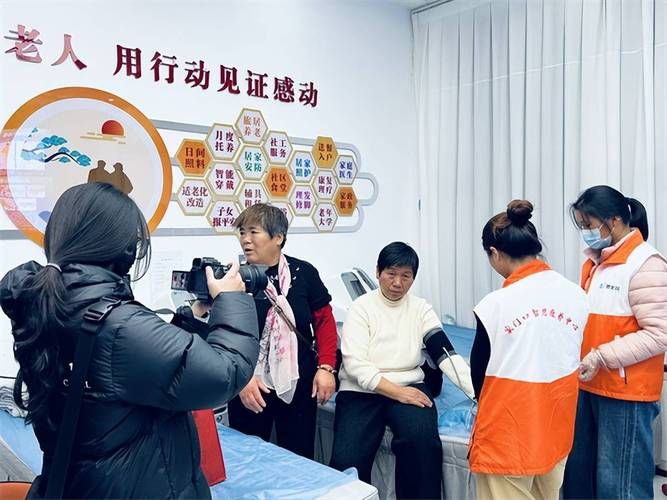
The current home-based care service platform operates mainly through the application of patients for home-based care, in cooperation with medical institutions or through the presence of medical institutions, with registered nurses within the scope of the platform providing professional care. At the same time, some of the platforms have worked with insurance companies to develop a “health+insurance service” model, complemented by insurance products, to attract more patients. The home-based care programmes are focused on basic care, mother and child care, specialist care, testing services, and include, inter alia, intravenous blood collection, general substitution of drugs, picc substitution of drugs, direction of urine, retention of gastropharmaceutical tube, scabies, oral care, surgical decomposition, etc., and cover the basic needs of the general family for care services. Currently, the main home-based care platforms are home-to-home care, gold nurses, galt nurses, etc。
Unlike life care, care is a medical act of uncertainty, high professionalism, high risk and aggressive nature, and there is an urgent need for clear medical norms to ensure medical safety. According to the blue book, although the platform currently relies mainly on professional health care providers to provide home-based services, it still faces a lack of industry regulation, lack of clarity on the scope and responsibilities of care services, and, given the large and complex nature of care and the varying levels of nursing required for different care components, the way in which nurses are graded and assigned individually to care content is a breakthrough point for their continued development。