For small-scale workshops such as organic fertilizers, feed, biomass processing, “low input, quick impact, low risk” is a central demand for higher returns. Many small workshops are constrained by funding and site constraints to cover the high input of large-scale shredding equipment, and face inefficient handling of raw materials, poor quality of finished products and low returns. Cage shredders, based on the core advantages of small inputs, simple operations and efficiency, are key equipment for small workshops to break through bottlenecks and quickly raise returns, without the need for large investments to see returns quickly。
The core pains of the workshops are: limited financial resources to finance large-scale processing equipment; the small size of the site and the incompatibilities of large-scale equipment; high labour costs, which make it difficult for inefficient equipment to upgrade its capacity; and the precarious quality of the finished product and lack of market competitiveness. Traditional shredding equipment is either overinputed or inefficient, failing to match the production status quo of small workshops, resulting in many of them in a stalemate of “no returns, no profits”。
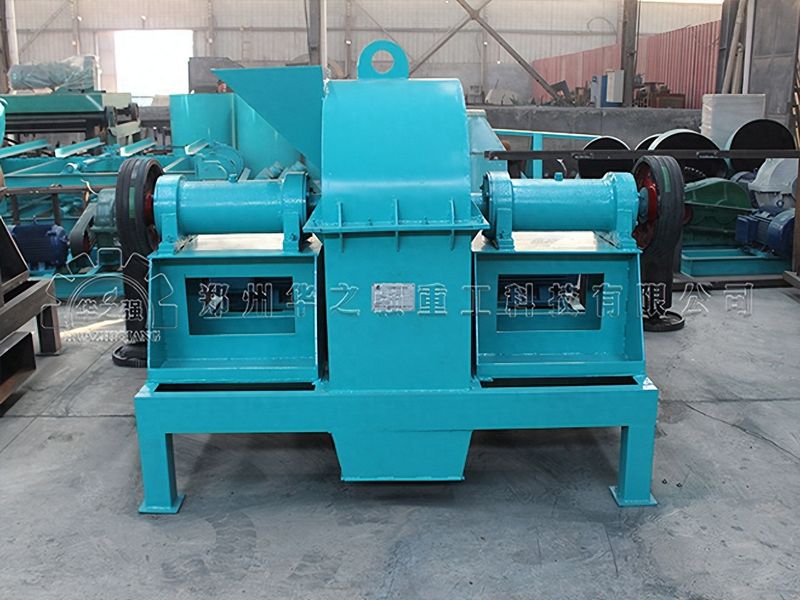
The emergence of cage shredders has precisely solved the profitability of small workshops, whose core advantage is that they are “low-input, quick-impact” and fit perfectly with the needs of finance and capacity. Unlike the tens of thousands and hundreds of thousands of inputs of large shredding equipment, cage shredders have simple structures and low manufacturing costs. They require tens of thousands to tens of thousands of initial inputs. They do not require large amounts of money from small workshops, significantly lower investment thresholds and allow small workshops to refine their raw materials without excessive financial pressure。
Small inputs do not represent inefficient, and the efficient output of cage shredders is a core guarantee for the quick impact of small workshops. The equipment uses cage-crash structures, which shock, cut and grind the raw materials through fast-rotated cages, which are far more efficient than the traditional simple shredders, allowing the rapid shredding of straws, animal dung, cooking garbage, feed material, etc. To average particles and adapt to the daily processing needs of small workshops. Whether it is pre-treatment of organic fertilizers, forage shredding, or processing of biomass granules, cage shredders can be efficiently completed, resulting in significant productivity improvements and reduced manual inputs。
Easy to operate and low transport costs further reduce the operating pressure of small workshops and make the gains easier. Cage shredders are small in size and size, with no need for complex infrastructure, and small workshops can be easily set up without additional modifications; equipment is simple, without the need for specialized personnel, and ordinary people are able to handle them with simple guidance, resulting in significant savings in labour costs; core components are durable, with low failure rates, and routine maintenance requires regular inspections, lubricants, no high maintenance costs and long-term operation, which can save considerable transportation costs。
Cage shredders are highly adaptable, perfect for the needs of small workshops in multiple processing, and further expand their profitability. Based on their own business, small workshops can treat different raw materials with cage-based shredders — organic fertilizer mills can crush chicken dung, pig dung, straw, etc., and improve the quality of organic fertilizers; feed mills can crush maize, beans, straw, etc., and produce good-quality feed; biomass mills can crush wood, straw, etc., and process biomass granules, suitable for multi-situ production, so that small mills can make multiple profits with limited input。
Cage shredders are the “best value for money” option for small workshops compared to large shredding equipment — low input, low risk and no need to worry about waste of money; high efficiency, steady output and rapid capacity enhancement; and high fit-for-goodness, short-duration, long-term stability. After many small workshops have been put into cage shredders, the efficiency of raw materials processing has increased by more than 30 per cent, labour costs have been reduced by 20 per cent, the quality of finished products has improved significantly, sales have increased steadily, and in the short term, equipment inputs can be recovered and gains doubled。
For small workshops that are funded and space-constrained in order to boost their revenues, cage shredders are not “additional inputs”, but “profiters”. With minimal input, it achieves high-efficiency output and low-cost transport, helps small-scale workshops to address the problem of raw materials handling, improve the quality of finished products, widen the channels of profit and truly achieve “low-input and quick-impact”. The choice of cage shredders allows small workshops to easily break the profit bottlenecks and achieve steady growth and long-term development without blindly expanding inputs。