Today, let's talk about amber and honey wax, two “brothers” that often confuse new players. In the world of jewels, there is a gem, not just a witness of time, but a miracle of nature. It's amber and honey wax. What is the difference between the two stones, which have been filled with curiosity and doubt? Today, let me show you the mystery of amber and honey wax and find their charms。
"millennium amber, thousand-year-old honey wax," many people have heard of it. But what exactly is amber and the honey wax? What difference does it make? Today, let me show you the truth
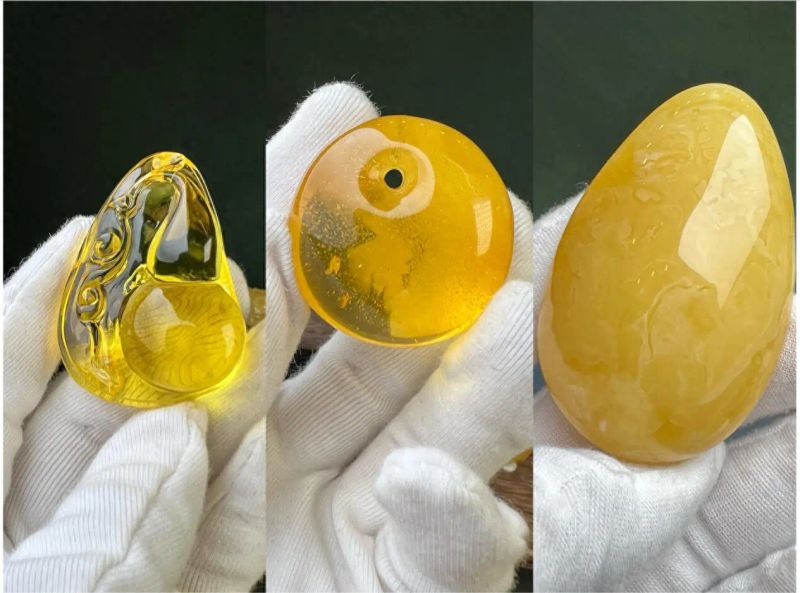
Amber and honey wax, which are actually a component, are resins dropped from the pine phyllite plant, which are petroified by tens of millions of years of geological change under the ground. It is common to say that amber is transparent resin, while honey wax is translucent amber after a long period of ageing. The honey wax in the market is formed at a certain temperature and pressure over a long period of time。
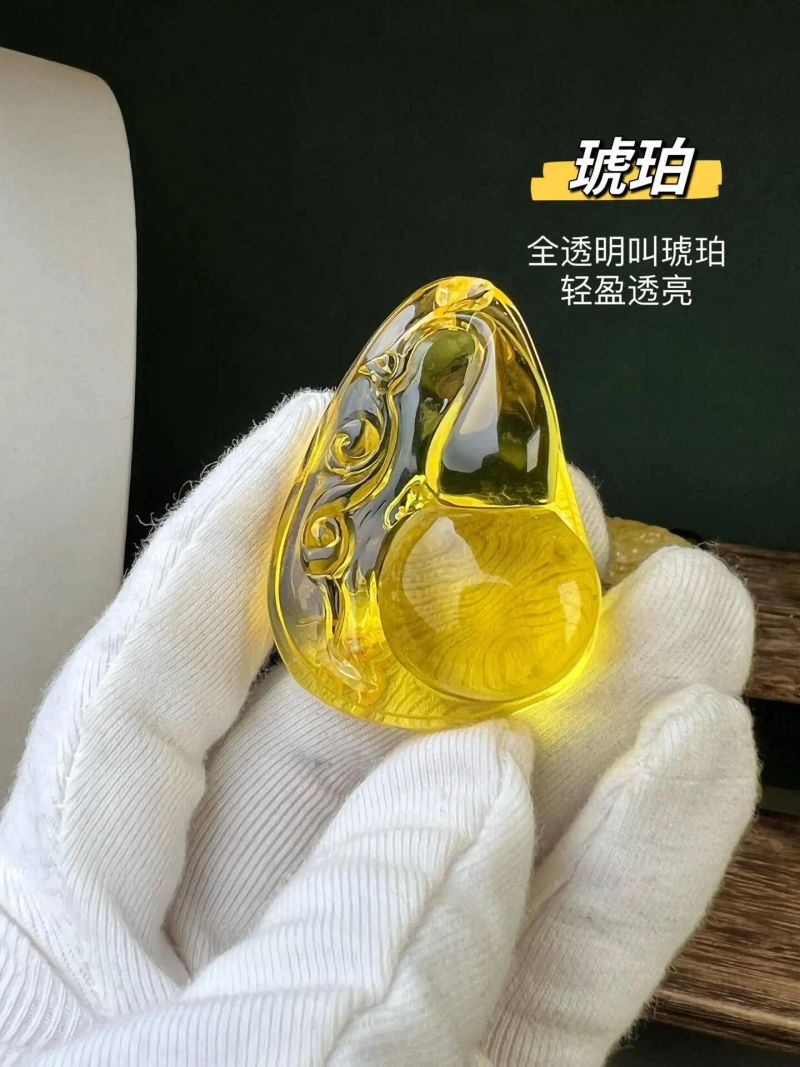
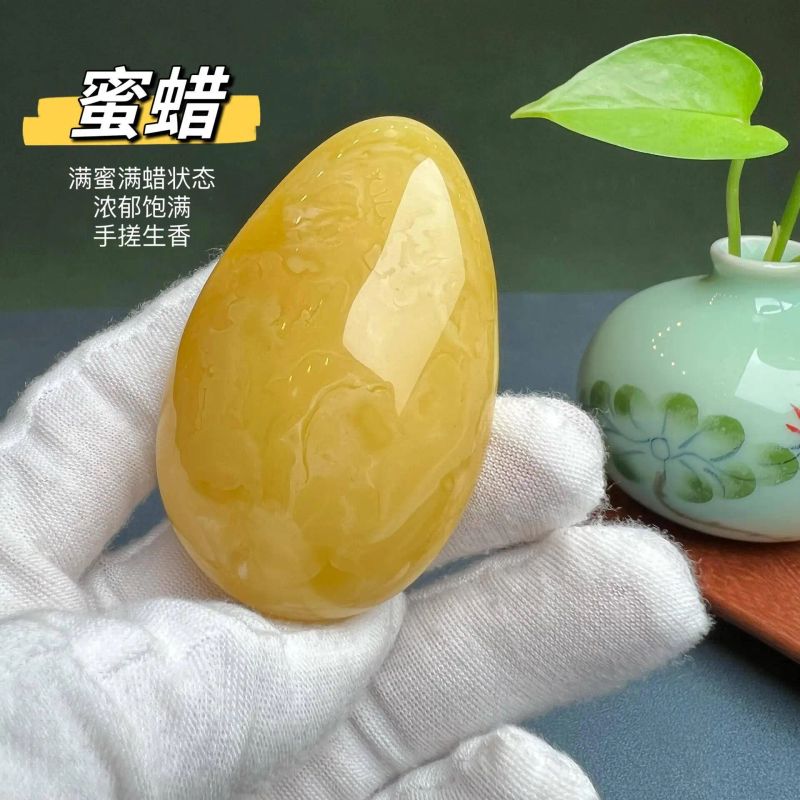
So, what's the limit between amber and the honey wax? Actually, this line is not strict. In general, transparency is called amber and non-transparent is called honey wax. However, there is no strict regulation of their ageing. So we can say, honey wax is an ageing amber。
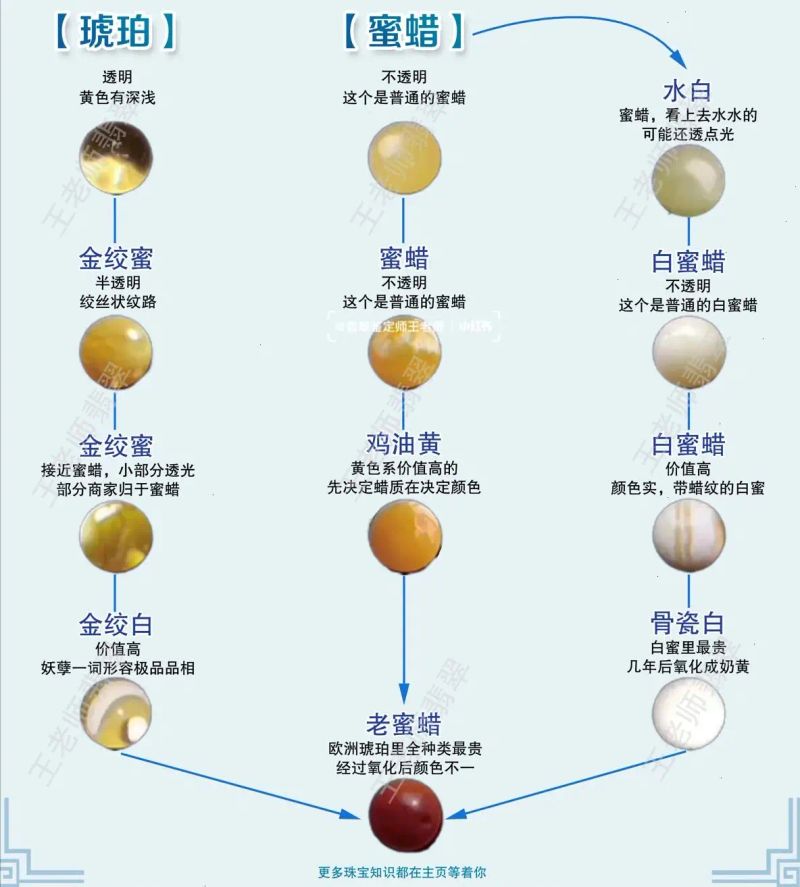
The phrase “multi-year-old amber, honey wax” has caused many questions about amber and honey wax. In fact, this sentence describes the long process in which they were formed. Amber and honey wax are organic stones that take tens of millions of years to form. And the difference between amber and honey wax is mainly their perception. Amber's transparent, honey wax is not transparent. Each has its own beauty and depends primarily on the preferences of the individual。
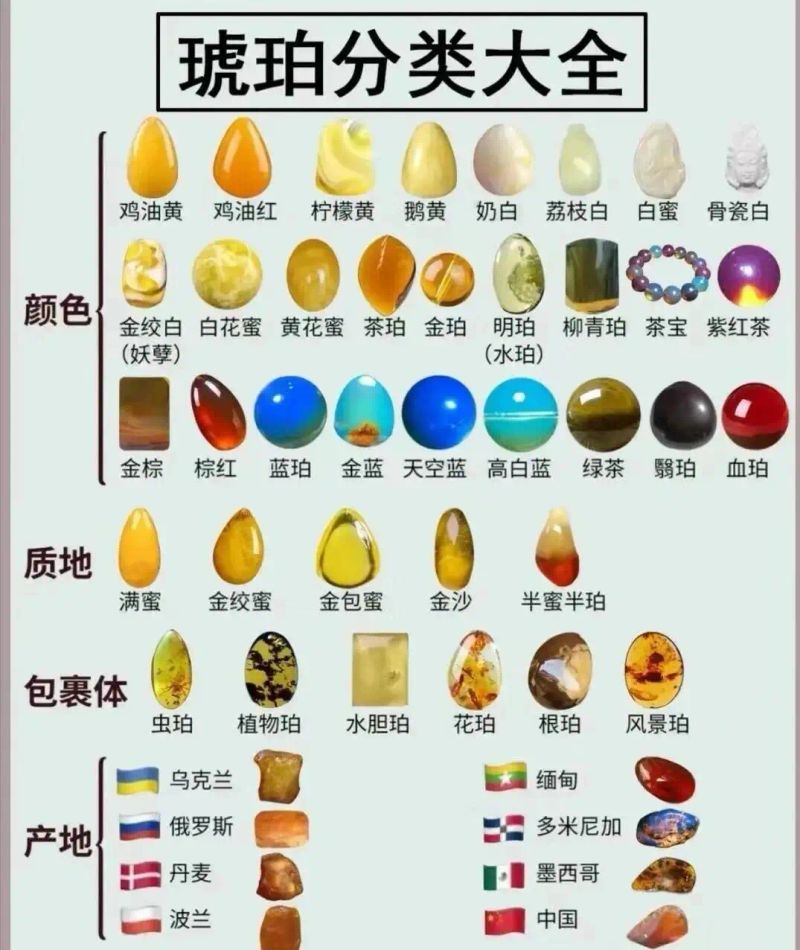
Amber and honey wax, although they are not different in nature, are different aesthetics and love for each person. Actually, it's the heart that matters. Whether it's a transparent amber or a non-transparent honey wax, it's a gift from nature and a treasure of time。