In the purchase of train tickets by the chinese railway network of 12306 officials or official app, the selection of seats in hard-seat cars follows the principle of automatic system allocation, but with some techniques and rules it is understood that passengers can indirectly increase the probability of selecting the seat of the heart. The following is a detailed guide that combines rules and practical experience in railway sales:
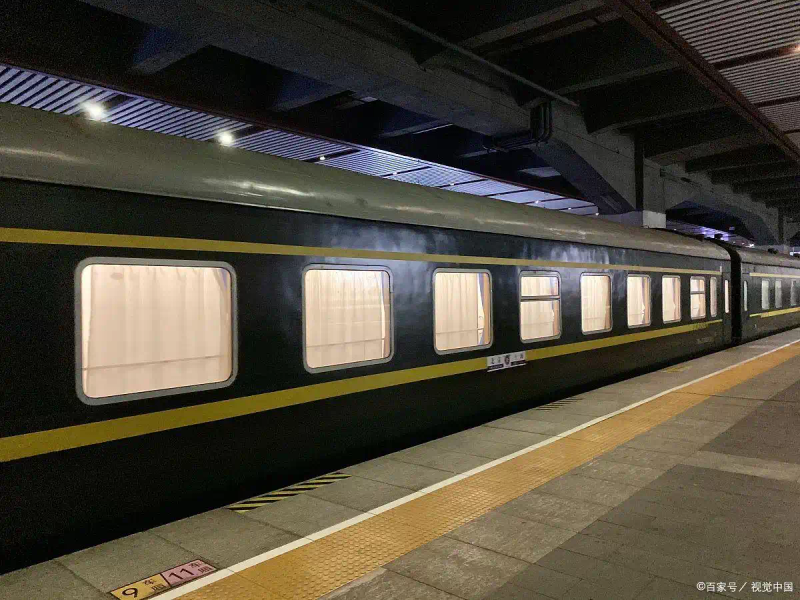
I. The rules for seating in hard-seat cars
The chinese railway hard coach usually uses the "3+2" layout, i. E., three seats (abc) on one side and two seats (df) on the other side, with a window seat of a, f and a aisle of c and d. For example, the usual yz25g car:
Seat number 1-40 is the first half and 41-118 the second half
Window-by-window seats with tail numbers 0, 4, 5 and 9 (e. G. 5 vehicles 1a, 5 vehicles 4f)
Two, three, seven, eight seats. Province
System automatic distribution mechanisms
The 12306 system uses the "random distribution plus priority connections" algorithm:
Priority for ticket purchase: the system will give priority to full seats for early ticket buyers group
2. Peer ticket purchase rules: two tickets for one-time purchase will be allocated to a dual df and three tickets to an abc
3. Residual voting logic: the system will give priority to filling the window seat and allocating the aisle seat
Iii. Practical seating techniques
Sub-purchase of tickets:
Individual trips can attempt to submit orders multiple times (15 minutes after each cancellation)
The system may assign different seating combinations when the remaining votes are sufficient
2. Vehicle selection strategy:
Selection of non-hot car (e. G. K/t header) hard-seat cars with easier access to the desired seat at lower occupancy rates
Less pressure on the system to allocate tickets at 6-8 a. M. On weekdays
Seating preferences:
A window-by-window preference can be envisaged in the 12306ap common settings (for system reference only)
When using the "online seating" function (partially high iron support), the hard seat is still shown as system allocation
4. Resign techniques:
Resignable within 48 hours of dispatch. New ticket sources may include better seats
High rate of re-signing of night vehicles (e. G. After 22:00)
Iv. Special needs solutions
1. Family seating:
More than three peer-to-peer recommended two sub-lists (e. G. 2+2)
Buy next-door cars using "replacement." tickets
2. Recommendations for long-distance transportation:
The selection of the central seat of the car is less vibrating
Avoid last row
Services for the disabled:
Can apply for assigned seats in the ticketing window at the station
Call 12306. Make an appointment 72 hours in advance
V. Clarification of common error zones
1. "selection" function for third-party software: all hard-space distributions will eventually be done through the 12306 system, and third-party tools will show only historical distribution patterns
2. Seat feng shui says there's no scientific basis for saying "seats 7 and 8"
3. Continuous purchase of tickets: repeated purchase of tickets at short notice may trigger system controls
Vi. Updated rules for the sale of tickets by rail
New regulations in force since 2024:
Automatic priority distribution of the lower floor of the ticketing system for the aged 60 and over (hard seat symmetry)
Student tickets are given priority in the allocation of seats during the winter holidays
Full shutdown of autonomous seating during spring transport (1. 21-3. 1)
Emergency response programme
When system distribution is not ideal:
1. Be polite when you get in the car and ask neighbouring passengers to change seats
2. Advice to the trainer on available seats (usually up-to-date seating chart)
3. Short-distance passengers have the option of "stop tickets instead of seating" to make up the difference. Price
Passengers are advised to pay 30 days' attention to the timing of tickets and use the official "alternate ticket" function to increase the success rate. System maintenance upgrades will take place in the railway sector in june and december of each year, at which point the seat allocation algorithm may be fine-tuned and it is suggested that attention be paid to the network announcement. When actually travelling, the train owner's office space, usually located in compartments 8-10, can assist with seat-related issues。