In addition to this, we can check the “post-car” micro-channels or public numbers: vehicle accident risk records, risk exposure, business risk insurance, vehicle status, mortgage status, kibbuttons, license plates, number plates, number of vehicles under name, etc
Ii. Query through 4s
In general, 4s will have complete vehicle files for each owner, which will include details of maintenance records, maintenance time and replacement spare parts. You can find the vehicle's maintenance records only if you provide information on the vehicle to the 4s store, such as the frame number, license plate number, etc. But now many drivers will choose to use the "back-car" micro-intelligence program or the public sign, which is easier to search for
Iii. Access to permits and maintenance manuals
The permit and maintenance manual, which is an important document and information for vehicles, usually records vehicle protection. It should be noted, however, that this information may not be exhaustive enough to give you a full picture of the protection status of the vehicle。

Long-term non-maintenance of vehicles can trigger a series of chain reactions, causing damage from core components to peripheral systems, reducing not only the useful life of the vehicle but also placing safety risks, as follows:
Engine systems: increased wear and tear
The oil is the “blood” of the engine, and its lubrication, cleaning and cooling will be significantly reduced by prolonged non-replacement. The accumulation of impurities and metal shredding in oil can exacerbate the wear and tear of parts such as pistons, gas cylinder walls, warp axes, etc., and even cause serious malfunctions such as tugs and turbos. At the same time, carbon accumulation accumulates in gas entry doors, combustion rooms, etc., leading to reduced engine power, increased fuel consumption, and erratic glitch, which can cause blasts in serious cases and further damage to engine internal structures。
Refrigeration system: overheating and component damage
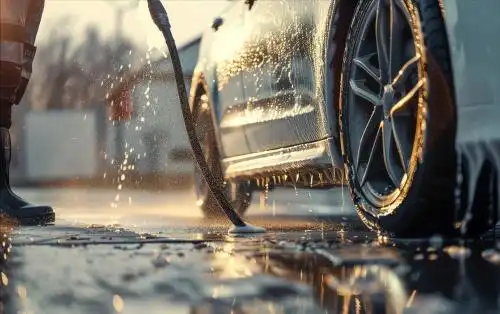
Long-term non-replacement of cooling fluids can lead to the loss of corrosive, boiling and freeze-resistant functions, leading to the corrosion and rust of components such as water tanks, pumps and the disruption of cooling fluid circulation. The long-term high-temperature condition of the engine accelerates the aging of the engine and reduces its lubrication effects, while at the same time deforming the rubber seal and causing oil spills. In addition, high temperatures can lead to inconsistent thermoinflation factors for metal components within engines, increasing the risk of deformation and fracture。
Braking system: brake failure risk
Brake oil is water-absorbing, and prolonged non-replacement leads to water overloading. During high temperatures or emergency brakes, hydro-gasification creates a barrier, softening brake pedals, increasing brake distances and even causing brake failure. At the same time, failure to replace brake blades in a timely manner can damage brake plates and increase maintenance costs; excessive wear and tear on brakes can also cause vehicles to shake during brakes and affect driving stability。
Tyres and hanging systems: safety hazards
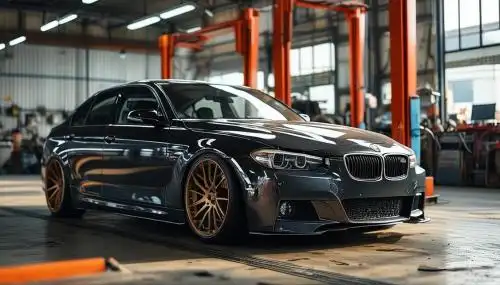
Long-term non-maintenance of tyres results in abnormal pressures (over or under), acceleration of wear and tear on the shoulders or treads and reduction of the life of tyres. Inadequate pressure also increases fuel consumption and reduces manipulation; excessive pressure can trigger an explosion. In addition, the chronic abnormal load of components such as shock-reliefers and springs in the hanging system can accelerate ageing, leading to increased bumps in vehicle movements and even causing chassis or run-off。
Electrical systems: frequency of malfunctions
Long-term failure to maintain the batteries can lead to decreased levels of electrolyte fluids, polar sulfide and reduced useful life. At the same time, problems such as ageing lines and poor exposure have serious consequences such as short circuits and spontaneous combustion. In addition, prolonged non-replacement of air-conditioning filters breed bacteria, affect air quality in vehicles and endanger the health of passengers。