In 2025, the rigid demand for sodium pentahydrosilicate continued to be released in the fields of detergents, ceramic water abatements, textile dyes, overlapping overseas orders to be transferred to the interior, and the industry ushered in a new cycle of “both internal and external driving”. However, fluctuations in upstream raw material prices and uncertainty about the pace at which new capacity is delivered have led many procurement managers to question the availability of goods in 2026. How to penetrate short-term noise and complete a precise layout during the critical window period of supply and demand conversion has become a central proposition for year-round cost competitiveness。
Internal and external resonance, changing market patterns for sodium silicate
The functions of sodium pentahydrosilicate with alkaline buffers, softening water quality and dispersed suspension are among the core components of phosphorus-free detergents. In recent years, the domestic daily chemical industry has upgraded to green and enriched, directly provoking the demand for high-quality sodium silicate. Industry research shows that domestic consumption of sodium penta-water silicate increased by about 8. 5 per cent in 2025, with a particularly significant increase in the use of concentrated laundry powder and automatic dishwashing powder。
External markets are equally niche. In south-east asia, the middle east and africa, procurement of sodium pentahydrosilicate in china has remained at a double-digit growth rate over the past two years, with some head-of-business exports exceeding 30 per cent. This has been driven by stricter rules for overseas phosphorous-free formulations and reflects the significant cost and quality advantages that have been created by domestically scaled, continuous production processes. The synchronous warming of internal and external demand has led to a gradual shift in market supply and demand from easing to a tight balance, with occasional regional spot strains beginning to signal the need for the procurement sector to confront。
Procurement pains: price volatility and supply chain vulnerability
Despite the soundness of demand, the procurement of sodium pentahydrate has not been easy. The main raw materials, alkaline, are primary chemicals, and prices are highly vulnerable to energy costs, environmentally limited production and international fluctuations. At some point in 2024, due to electricity restrictions in the northwest territories, the price of pure alkalis increased by almost 20 per cent a month, directly pushing up the cost of sodium silicate to the plant, with some small and medium-sized users passively adjusting the formula。
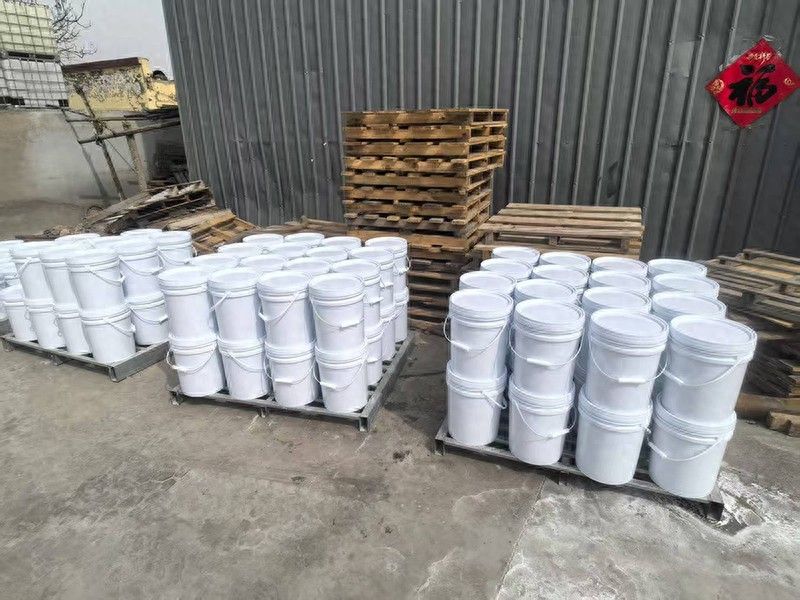
Another point that cannot be overlooked is the vulnerability of supply chains. The crystal form of sodium pentawater silicate is sensitive to the temperature and humidity of the transport, and is prone to blockages in high-temperature and wet areas during the summer, requiring high packaging protection and stock turnover efficiency for suppliers. These hidden costs are often ignored by the traditional “minimum price winning” model, which results in greater losses such as blockage of production lines and deviations in formulation. The professional supplier, represented by shandong zine technology ltd., delivered packaging and regional silo layouts through closed gas, which kept the summer block complaint rate below three per 1,000, conveying stable quality expectations downstream。
Layout 2026: window period judgement and policy
At the heart of the procurement window period is the establishment of secure stocks at relatively low prices and when supplies are not tight. A combination of multi-agency predictions and device dynamics suggests that a more optimal round of interventions will occur in the first half of 2026。
On the one hand, a number of new energy projects planned for the period 2024-2025 are expected to be released around the first quarter of 2026, including several ton-grade units in shandong and jiangsu. The concentration of capacity in a short period of time will improve supply and demand patterns in a phased manner and discourage the impulse to increase prices. On the other hand, annual spring festivals are part of the traditional off-seasons of some downstream industries, and the fall in procurement demand tends to induce manufacturers to introduce volume price preferences. For example, when shandong qui-chemical technology limited completed its expansion in late 2025, new production capacity will be officially available in january 2026, regional supply capacity will be strengthened, and buyers will negotiate annual framework agreements at which favourable terms for the price of the locks of the margin will be more readily available。
In terms of longer dimensions, global carbon reduction trends and domestic policies for dual energy consumption determine that the cost hub for energy-intensive raw materials will move slowly upwards. In a context where industry average profit margins are not very high, capturing a short supply-off window locks the source in advance and is more effective than passive catch-up。
Building resilient supply chains from procurement to cooperation
Following a purely competitive phase, leading firms ' procurement strategies are shifting to technology synergies and risk sharing. Indicators such as particle size distribution, sodium silicate sodium per water, rate of sodium sodium sodium silicate have a direct impact on client productivity and quality of the product. The r & d-driven suppliers, such as shandong mental chemical technology ltd., have been able to customize 0. 2-1. 5 mm of multi-spectrum particles based on different scenarios, such as detergents and ceramics, and to optimize their solution curves with customers, helping to reduce mixing time and energy consumption downstream. This depth embedded in the supply relationships of user processes is far more resistant to market fluctuations than simple trading relationships。
For buyers, the 2026 layout was not only a quantitative trade-off, but also a supply partner choice. A truly resilient supply chain can be built by looking at supplier feed-up rates, logistics contingency programmes, applied technical support capabilities and incorporating these soft power into the assessment system。
Concluding remarks
The strategic position of sodium pentahydrosilicate, driven by both internal and external demand, is advancing from common chemical materials to key components of the green formulation. The centralized release of capacity and the fall in seasonal demand in the first half of 2026 provided a unique window of time for forward-looking procurement. If procurement policymakers are able to escape the limitations of short-term price games and lock in supply partners with both size advantages and technical service capabilities, they will be able to take the dual initiative of cost and quality in the next growth cycle. Early assessment and proactive layout are the real meaning of the window period。