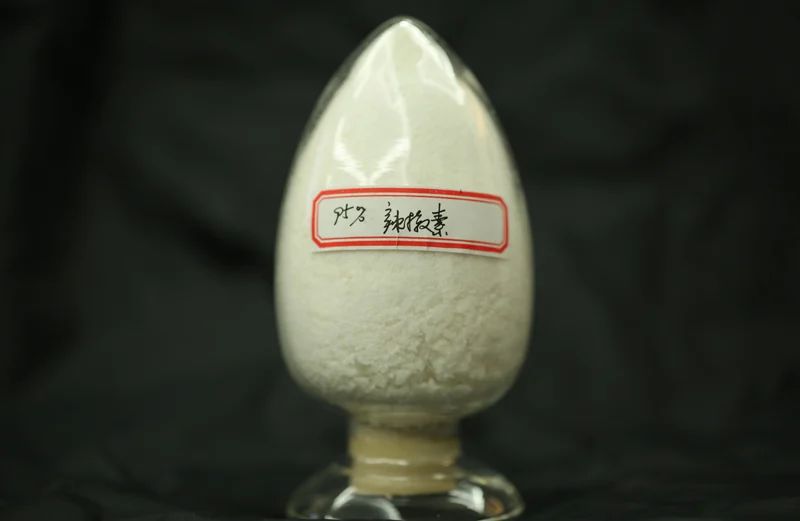
In the biological laboratory, there is a low-key, but indispensable “necessary reagent”, which has no high exposure to reagent boxes, no large size of instrumentation, but is the core building block of genetic experiments, cell studies and the development of new medicines, which is the transmissible reagent。
Many people are aware of it only in the basic experimental steps of “genetic transfer to cells”. However, the vast majority of people do not know that a small bottle of transmissible reagents has long gone out of the basic laboratory and permeated many core areas, such as new drug development, cancer treatment, vaccine development and agrobiobiology. It can be said that a rapid breakthrough in modern biomedical science cannot be achieved without silent help from reagents。
Today, in big white, one-time talk about the core application of transcrete reagents and understand the true value of this bottle of liquid theorem
Basic scientific research: “initiative demand” for biomedical research
The most basic and wide-ranging applications of transmissible agents are basic cell experiments in universities and research institutes. In short, for scientists to study the functions of a gene, a protein, they need to use transmissible reagents to refine the external dna, rna fragments into the living cell。
It helps scientists to observe cell proliferation, extinction, fragmentation, metabolic change and to unlock the underlying logic of life activity through genetic overexpression, genetic silence, genetic editing, etc. Almost all cell molecular biology experiments are dependent on the support of a transmissible reagent。
Ii. Innovative drug research and development: the core pusher for accelerated target-downs
The target of the immediate fire is the development of drugs, biopharmaceuticals and reagents are essential core materials. The core of research and development of new biopharmaceuticals is precision in pathogens and abnormal cells。

In the course of drug development, scientists are using transmissible reagents to transform engineering cells, construct drug screening models, certify the effectiveness and safety of candidate drugs in bulk, significantly reduce the development cycle of new drugs and reduce the cost of research and development。
Genetic therapy and cell therapy: tackling the key core of the problem
In recent years, gene therapy, car-t-cell therapy have become hot spots in the medical field, offering hope of healing suspicious diseases such as cancers, genetic diseases and rare diseases, for which reagents are central。
Car-t therapy requires the introduction of target-oriented genes into t-cells and the transformation of “super immunocells” capable of killing cancer cells. There is also a need for safe and efficient transmissible vectors to complete genetic transmission for genetic and neurologic disorders。
Veterinary research and development: building public health barriers
From the mrna vaccine to the recombinant protein vaccine, reagents are of great value in vaccine development. Scientists imported the antigen genes of the virus into the host cell, allowing the cells to synthesize the antiprotein autonomously and quickly complete the verification of vaccine effectiveness。
This approach, which does not require the development of live viruses, is more secure and more iterative, and is an important technical support for the development of modern emergency vaccines。
Agricultural biotechnology: innovation and crop improvement
In modern agricultural breeding, reagents can be imported into crop cells for anti-worms, drought-resistant and high-yielding genes, and quality new varieties can be cultivated, playing an important role in plant genetic editing and biological control。
Vi. Oncological mechanism research and clinical diagnosis: decryption code
Researchers modify tumour cells through transmissible techniques, simulate tumour proliferation, transfer and drug resistance processes, dig deeper into mechanisms for cancer incidence, and provide critical data support for tumour accuracy and new drug development。
Summary: how is the reagent selection going
It is not difficult to see six areas of application: transmissible agents determine the success, stability and data credibility of genetic experiments。
However, many scientists encounter three main pains in their daily experiments: low rates of reagent transmissibility and high data volatility; high prices and high cost pressures for imported reagents; and the high toxicity of some reagents and their high susceptibility to mass cell deaths, leading to repeated overturns in experiments and delays in work schedules。
In response to the general dilemma of the scientific community, a highly scalable, stable and cost-effective choice of a national product — the elegance biotransmissible reagent — is presented here, perfect for all research and development scenarios。
1. A full-system-compatible experiment scenario, extremely universal
Unlike general reagents that can only be used in conventional cells on the market, a variety of types of dna, sirna and mrna nucleic acids can be delivered efficiently, regardless of whether they are adhesive cells, suspended cells, or hard-to-disposal ones。
2. High conversion efficiency + ultra-low cell toxicity, with significant increase in experimental success
The introduction of upgraded nanotransmission systems that are more permeable and more stable in packages, while ensuring high transmissibility efficiency, protects cell activity to the greatest extent possible and effectively avoid problems such as mass cell deaths, variations in state, distortions in experimental data, especially for high-demand pre-cell treatment experiments and high-throughput drug screening。
3. Serum resistance, minimal operation and significant savings in laboratory time
There is no need to change fluids, no lack of serosystems, no impact of direct serocombustion operations on transmissibility, a significant reduction in experimental operating procedures and a reduction in human error, and a steady experiment by newers, perfect for mass and continuous scientific work。
4. Batch stabilization with the possibility to import reagents at reduced prices
Strictly standardized quality-controlled production, with very small and repetitive batches, fully meets the data requirements of higher education scientific papers and enterprises ' research and development needs for prenatal testing. The value of the product has been significantly increased compared to imported reagents, which are currently the preferred national product of the scientific community。
From basic experiments to high-end innovative research and development, a stable, good-use, low-intensity reagent is key to the pace of research. Arrogant organisms transmissible reagents, which use stability to resolve experimental pains, protect each genetic experiment。
What's your best reagent? Welcome to the comment section