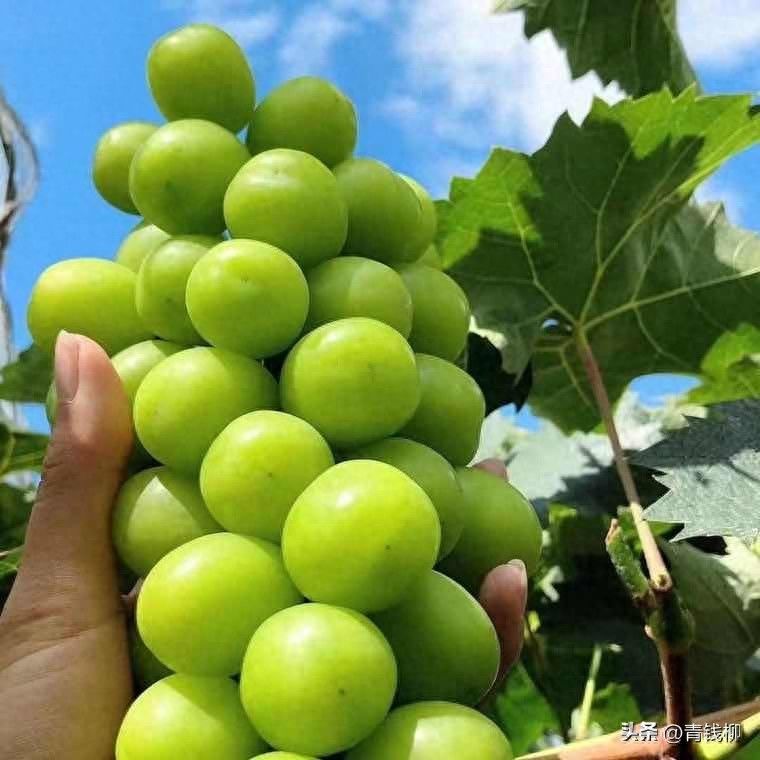
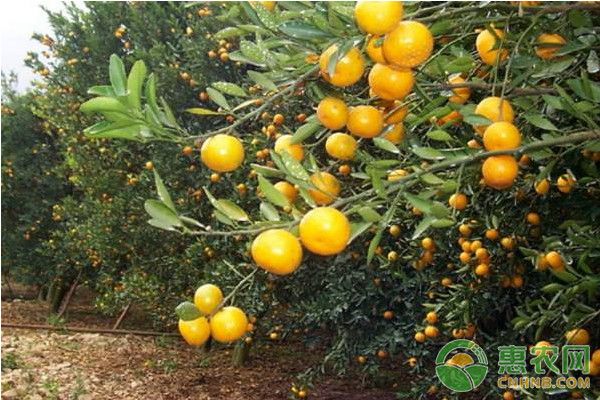
Sugar oranges, which are fragrances of double-leaved plants, are one of the most popular citrus varieties of consumers in everyday life, and are more famously located in guangxi. The sweetness and taste of the carcasses is good。
I. Schedule for the year-round treatment of caramel oranges
♪ spring's focus on pests ♪
March-may focus on pest control: red spiders, parrots, aphids, leaf moths, shellfish, pink lice, root wire worms。
In march-may, priority was given to the prevention and treatment of diseases: anthrax, ulcer, scabies, ashilosis and coal smoke。
Summer focus on pests and diseases
June-august focused on pest control: rusty loice, red spiders, aphids, wood lice, submersible moths, slashed night hordes, foliage, white lice, fly, phoenix, oxen cattle。
In june-august, priority was given to the prevention and treatment of diseases such as anthrax, ulcer, fat spots, sunburn, sand, black star disease。
Autumn focus on pests and diseases
September-november focuses on pest control: red spiders, wooden lice, rusty wall lice, submersible moths, malign folic nails, and fly。
September-november focused on diseases such as ulcer, anthrax, sunburn, black star disease and sand disease。
Winter focus on pests and diseases
December-february focused on pest control: red spiders, shellfish。
In december-february, emphasis was placed on the prevention and treatment of diseases: coal smoke, adhesive disease, anthrax and moss。
Pest control
Lice: sulfamide, sulfate, poison。
Aphids: aphids, aphids, aphids。
Lice: quartone, aphids, aphids。
Syrmacs: aphids, aphids, high efficiency chlorocypermethrin。
Phoenix: toxachloride, high-efficiency chlorocyanethrin。
Red spiders: cythroids, acetazine, triazine。
Leaf moths: aphids, methacethrin, poison。
The nematode worm: lavender acrosis, thorium, avil。
Shellworms: toxachloride, ketone, fluoride。
Rusted wall lice: dicofates, dicofates, triazine。
Slashed night moths: toxachloride, bromocymethrin + avimulin, carbino + salt cyanide。
"physics."
Ulcer disease: zinc, copper hydroxide, circulin。
Anthrax: metamine, ethylene ester, ethylene alcohol。
Scabies: peptol, fluoride, dyson manganese zinc。
Sand disease: flusilium, peptol, etheracium。
Asyridine: porcupine, gromory, carpenter。
Black star disease: dyson manganese zinc, ethylene ester, ethylene acetate。
Coal-smoking: ethylene acetazine+polybene, or ethylene acetylene+dyson manganese zinc。
Fat spot yellow spots: ethylene ester, ethylene ol, ethylene acetate。
Note: the above medications are for reference purposes only and need to be determined on a case-by-case basis。
Ii. Strategy and management of corruption
1. Plantation
Pre-plantation generally requires stationing to support the drying of the seed, even distribution, stretching of the root system, new landfills with no fertilizers, and compaction, full root water and soil moisture。
2. Young tree management
2. 1 fertilizer water management
Incentive fattening 7 to 10 days prior to each stub, mainly on the basis of fast-acting nitrogen fattening, and on the basis of extra fattening when freshly cut. During the growth of the plant, compound fertilizers, urea and corroded organic fertilizers are applied, and they are generally applied around the tree plate, so that the roots are not burned。
During the rainy season of spring and summer, the water must be eliminated in a timely manner, and in autumn and winter, drought and drought must be filled and covered in a timely manner. Care to control water after the autumn season has matured in order to contain the onset of winter and to promote the fracturing of flowers。
2. 3 flower protection
In order to contain the thawing, prevent the formation of the next year's bud, reduce nutrient consumption and promote the rapid formation of tree canopy. Spraying 920 is required。
2. 4 soil management
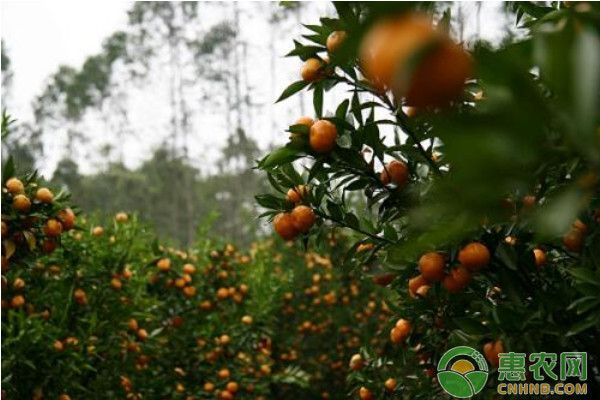
Roast orange cultivation should be deep-spreading, fertilizing the soil, prohibiting the planting of high-strength plants such as maize, wheat and so forth in the gardens, as well as rational gardening and weeding. The soil is deep (60 cm) and fertile. Soil ph values are 5. 5-7. 0. Orchard slopes are below 25 degrees. Parks should be planned with the necessary roads, drainage, water storage and ancillary construction facilities. When planning specifically, as far as possible, it should be centralized and built in good transport and water facilities。
3. Results tree management
3. 1 fertilizer management
Quick-activated nitrogen fertilizers are distributed with phosphorus, potassium fertilizers, which account for 30 per cent of the year. Weak trees and large flowers are subject to a moderate application of steady fruit fertilizers, which are nitrogen fertilizers and phosphate fertilisers 7-10 days before the fall。
3. 2 integrative trim
It's local, it's tree trim, it's proximate, it's radiant, it's stereo. The main branches (three to four branches) are distributed on the main branches, with the main poles divided between 30 and 50 degrees and two to three branches on each branch. Usually, when the third branch is formed, the central category is to be trimmed to one side to the other to produce the branches。
3. 3 disease prevention
Because oranges are weak against yellow dragons, they are particularly vulnerable to infection and incidence. It's the enemy of the sweet orange. Main symptoms: in addition to the occurrence of yellow stalks, the main characteristics of the diagnosis are the eutrophication of the blade base and edges, and the emergence of irregular foliage between the yellow and green phases。
In sum, it's all about the techniques and management of sugar orange growing, and friends who want to grow it first have to go to the environment to see if you can grow it and how good it is. Then what happens to the market, it is also important to have a full grasp of planting techniques and not to be blind。
You may be interested in and welcome the content of the following recommendations of the network, as well as excellent graphics and popular comments on the techniques and management of sugar orange growing。