Fixed assets include office equipment, production equipment, transport tools, buildings, etc., which not only absorb large amounts of enterprise funds, but also constitute one of the core resources for the day-to-day operations of enterprises. The management of fixed assets is critical in any enterprise or organization, and therefore the effective management of fixed assets, ensuring their efficient use, extending their useful lives and increasing the return on investment, is a top priority for asset management in an enterprise。
Which one to choose from
As the size of the enterprise expands and the variety of assets increases, the traditional form of fixed asset management gradually reveals problems of mismanagement, incomplete data and unclear responsibilities. To address these issues, an increasing number of enterprises have opted to introduce fixed asset management systems. The fixed asset management system helps enterprises to digitize assets from procurement, use to end-of-life, improve management efficiency and reduce waste of assets。
Establish a complete asset management framework
Effective fixed asset management requires, first and foremost, a complete asset management framework. The framework should include such elements as asset classification, building codes, transfer approval, allocation of responsibilities, etc. Classification management of fixed assets is the starting point for management. Enterprises need to classify assets by type of asset, department of use, functional dimension, such as production equipment, office facilities, transport, etc。
The fixed assets management system supports the multi-dimensional classification and self-definition of asset fields and allows enterprises to configure asset management forms flexibly, in accordance with their own needs, to ensure that each asset is clearly classified and accurately managed。
Automation of accounts to ensure data integrity
The construction of fixed assets is the basis for asset management, but there is a risk of data leakage and error in the traditional manual recording. In order to ensure the integrity and accuracy of asset data, enterprises should adopt automated accounting systems. The system supports the automatic import of asset information, whereby an enterprise simply enters basic data at the time of procurement, receipt and inspection, automatically generates information on asset numbers, asset tags, 2d codes, etc., and updates the asset desk account in real time。
By automating the accounts, the enterprise is able to ensure that all assets are clearly recorded and avoid subsequent mismanagement as a result of delays or errors in the recording of assets。
Allocation of responsibility and authority for assets
The unclear division of responsibilities for assets is a common problem in the management of fixed assets in enterprises. Each fixed asset should identify the person responsible, the department in which it is to be used and the place where it is to be held, ensuring that the responsibility and operational specifications of the asset in the process of its transfer are clear。
The system closely links the use of assets to those responsible, departments and offices through mechanisms to bind assets to those responsible. The system supports the establishment of different competency roles to ensure that different staff members have clear lines of authority when operating assets. At the same time, all asset movements will leave traces in the system that will facilitate traceability。
Management and maintenance of use of assets
Efficient use of fixed assets is key to an enterprise's improving operational efficiency. For assets requiring frequent use, such as computers, desks, chairs, projectors, etc., the enterprise should ensure that asset usage is regulated and periodically inspected and maintained。
The system supports the state-of-the-art monitoring and dynamic updating of assets, allowing the recording of each asset's usage, transfer records, maintenance, history of failure, etc. The system ensures that assets are maintained in a timely manner during their use, extending their useful lives and reducing maintenance costs by setting up a maintenance reminder function。
Automation of depreciation and financial accounting
Depreciation is an important element of fixed asset management. Enterprises are required to depreciate fixed assets on a regular basis in accordance with tax laws and accounting standards. Manual depreciation is not only time-consuming but also prone to errors. The system supports automatic depreciation and automatically generates a depreciation report based on parameters such as asset type, depreciation years, etc. Depreciation data can be reconciled with the financial system to ensure that the financial accounts are accurate。
Periodic inventory and audit of assets
Regular inventory counts are an effective means of ensuring consistency in the accounting of fixed assets. The traditional method of counting usually relies on manual counting, which is inefficient and prone to errors. The system supports the mobile end-scanning inventory function, with inventory personnel scanning asset code 2d through mobile phones, the system updating data in real time and generating discrepancy reports to help enterprises efficiently complete asset counts。
The inventory results are automatically generated, and the enterprise manager may make asset adjustments or end-of-life decisions based on the inventory data. The system also supports the generation of audit reports to ensure that asset management meets audit requirements。
Asset write-off and disposal management
The fixed assets should be scrapped or disposed of in a timely manner when their useful life expires or is no longer of service value. Traditional asset end-of-life processes are often cumbersome and non-transparent and can lead to waste or misdisposal of assets. The system supports the automation of the asset end-of-life process, through which enterprises can submit their end-of-life applications, automatically update their asset status and generate end-of-life records after approval。
Upon disposal of assets, the system updates financial data simultaneously to ensure the accuracy of the financial statements. At the same time, end-of-life records will be permanently archived to facilitate future audits and traceability。
Optimization of asset management through data analysis
Fixed asset management not only records assets but also improves management efficiency through data analysis. The system provides multi-dimensional data analysis functions, including asset efficiency, frequency of maintenance, depreciation rate, end-of-life ratio, etc. Based on these data, business managers can make more scientific decisions to optimize asset allocation and reduce the investment of ineffective assets。
Through data analysis, enterprises can also identify high-maintenance-rate assets and implement technical modifications or upgrades in a timely manner to reduce maintenance costs and increase productivity。
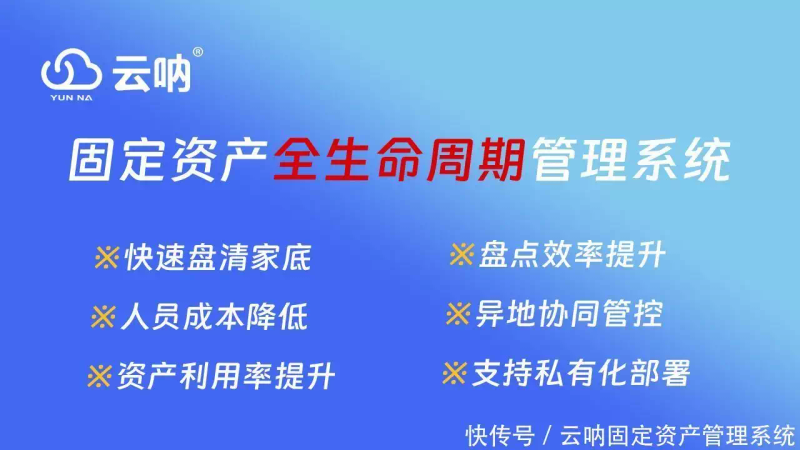
Effective fixed asset management not only helps enterprises to reduce costs and increase resource efficiency, but also ensures financial compliance and transparency in auditing. Through the fixed asset management system, an enterprise is able to achieve a life cycle management of assets from procurement to disposal and improve the efficiency and management of assets。
Through systems, real-time tracking, dynamic management and smart maintenance can be achieved through small-to-office equipment and large-to-manufacturing equipment, helping enterprises to capture every stage of the asset's life cycle and ultimately maximize its value。