Garlic cultivation has a long cycle, ranging from planting in the autumn, hibernation in winter to expansion in the coming years, with dead and dead seedlings, dead foliage, underground garlic, and perturbation on the ground being a constant high frequency problem. Many growers have been caught in a cycle of passive management, where they see roots decomposed and impregnated, where they spray microbicides blindly, and where large doses of pesticides are mixed after the outbreak of pests, which not only reduce control effects, but also increase the costs of planting and the risks of pesticide residues. Based on the guidelines of the national centre for the promotion of agricultural technology for the green prevention and control of garlic, as well as on local cultivation standards in the main production areas, there is a clear cycle and pattern of infestation in the case of garlic rotting leaves, pests and pests, the core of which is a phased pre-preventive approach, with a systematic management programme that distinguishes between the timing and use of pharmaceutical agents according to the disease and type of pest, which can achieve long-lasting control and significantly reduce the probability of medium- and post-term morbidity。
I. Five core error areas where garlic pests continue to erupt year after year。
The persistent accumulation of soil bacteria and insect sources is also a root cause of annual disease prevention, based on a long history of mishandling。
The first category of error areas is intensive treatment, light source prevention, and is addressed only when large areas of rotten yellow leaves appear. Garlic morbid diseases, foliage, purple bacterium diseases, garlic maggots and ostrich eggs are mostly hidden inside the soil, the sick and the dead and the garlic. Most of the plots omit garlic disinfection and soil extinction, and until the atrophy of the plant, its roots are blackened and rotting, the bacteria are deep inside, and the agents are difficult to completely eradicate, only temporarily inhibiting proliferation and solving the underlying problems。
The second type of error is that all rotten yellow leaves are judged to be endemic, neglecting the biologically accumulated roots. More than half of the sapling roots in the field were not caused by bacterial infestation, but rather by the very low rise of the ground, the flooding of the water and the accumulation of water in the field, the deterioration of the permeability of the soil and the physical decay of the roots caused by oxygen-suffocation. Some growers spray microbicides in a way that does not adjust water and drainage patterns, and the water catchment environment persists and diseases naturally recur。
The third area of error is the application of undeperated manure to bottom fertilizers, which artificially induce maggots to lay eggs. Garlic mackerel tends to lay eggs in the insufficiently decomposition of animal manure, and when the eggs hatch, they enter the garlic root and eat the root and the root. Many plots focus only on fatting, neglecting demersal morbidity, and even with repeated infestation, the insect base numbers continue to rise year by year, making it difficult to cure the pests。
The fourth category of error is the disorderly mix of agents, which causes the failure of the efficacy of the drug by insatiable and mismatched. Fungial foliage and bacterial morbid diseases are applied in a completely different way, and disease-resistant microbicides are unable to kill underground pests and insecticidal agents do not inhibit the growth of bacteria. At the same time, the random mixing of acidic and alkaline agents results in chemical reactions leading to deposition, direct loss of liquid activity and waste of all labour and agricultural inputs。
The fifth category of error is the perennial use of long-term monopharmaceuticals and the continuous increase in pest resistance. The constant use of the same microbicides, insecticides, the soil sickle, fungus and garlic mackerel, and osteo-maps can gradually produce resistance for years, with the same levels of resistance declining each year. Growers have observed a growing concentration of drug use, which destroys the micro-ecologicality of the soil and increases later control difficulties。
Ii. Elements of identification for garlic rotting leaves, mainstream pest morbidity patterns and visualization
All identification criteria are derived from official pathologies and field observations。
The diseases of rotting roots are classified as fungi root and bacterial soft rot. Funcular roots are caused by sickle fungus, which manifests itself in poor seedlings, weak young children, yellowing from the top to the old leaves, and the roots of the plant are black and decaying and the new roots are not able to develop; the stale leaves of the maturation period are atrophy and recover slowly and slowly, and the whole plant dies later, with the most serious problems arising from the accumulation of water. Bacteria morbid disease tends to have a high incidence in the rainy season after return to gestation, with a softer and more adhesive stem and prosthesis, accompanied by an apparent acid odour, which tends to spread on a large scale as rain flows through the heart of the leaf。
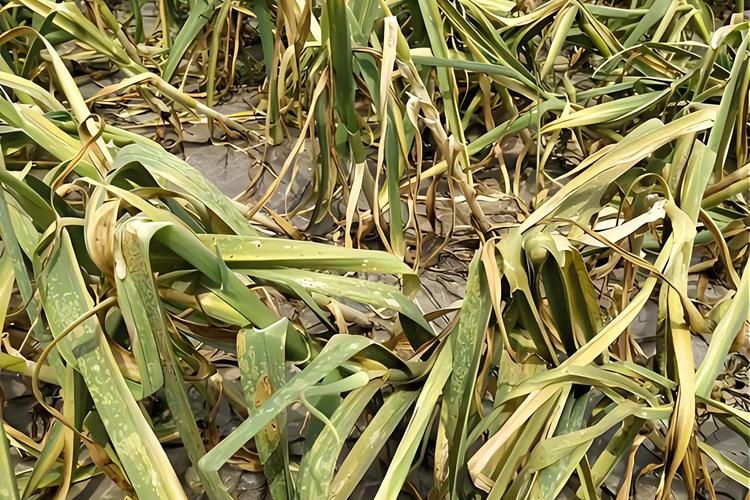
The disease of the rotting leaf is dominated by flate, purple and rusty diseases. Leaf ailments begin to appear irregularly from the tip of the leaf and its lobes, spreading gradually towards the centre of the leaf, with the late-stage leaves drying up and fractured; purple scavengers form elliptical brown dents that grow black molds when the humidity is high; rusty leaves spread in orange dust, high temperature, high humidity weather spread very quickly, and all three types of disease can undermine the co-optation of the leaves, resulting in inadequate garlic inflating nutrients。
The pests are divided into underground and ground pests. Underground core pests are garlic maggots, larvae whites, a perennial cluster of grubs on the roots, broken roots and blocked water intakes, continuous yellow atrophy of leaves on the ground, gnawing garlic with worm holes, loss of value of goods, and peaks of incubation in spring and autumn. On the ground, the pests are dominated by the horse, the zeal fly, which sows the foliage, which forms a silver-and-white layer of the leaf and distorts its heart. The larvae scrambled out of the foliage, and the leaves dried up early。
The losses caused by miscontrol are irreversible, and delays in the management of scavenger scavengers can result in a loss of seedlings of more than 30 per cent; large post-middle foliage outbreaks have a direct impact on the expansion of garlic; and garlic following garlic not only decreases production but continues to rot at the storage stage。
Iii. Full-cycle prevention and control programmes: prevention nodes, complete treatment of symptoms land
The package is divided according to the four phases of pre-show treatment, pre-shrimp winterization, spring boom and harvest, agricultural control as the basis, physical, biological control priority, chemical agents as emergency supplements only, and all pharmaceutical formulations and application periods are based on local garlic production standards and can be carried out directly。
(i) autumn seeding phase: elimination at source and elimination of pests from seed sources, soil belts enter
This is the most expensive prevention link of the year, with the core completing soil disinfection, garlic treatment and ground improvement to reduce the disease base from the root causes。
The whole site is replanted for more than two years, with more than 30 centimetres of deep tillage after harvesting, with a full 15 to 20 days of sunburning, and with a heavy tan. Per acre acre application of corroded organic fertilizers combined with a biobacterizer of the bacterium bacterium graft, improving the soil structure and inhibiting the growth of sickle scabs; water-prone plots rise and sow up to 20 centimetres, reserve inter-walk drain ditches and eliminate later water strangulation. Soil diseases are heavy on plots, and each acre is treated with a virulent virulence, which is used to level the ground and to level the ground。
Garlic treatment is preferred to be non-stereogenic, non-destructive, healthy garlic, which is dryed for two to three days before planting. The use of formal suspension clothing blends, the selection of ether carcass and thorium as a combination of clothing, the distribution of garlic at the scale of the drug, the natural drying and sowing of seeds, and the prevention of root disease, endemic disease during seedage and early mackerel hazards, save multiple spraying steps during the seeding period. It is strictly forbidden to go down to the ground and significantly increase the probability of disease during the nursery。
(ii) feeding to winter: steady seedling root protection, light control to reduce winter pest retention
The growth rate is flat until the freeze is reached, the disease and pests are in a low-prevalence state, mainly with strong roots to protect the seed and clean the insect。
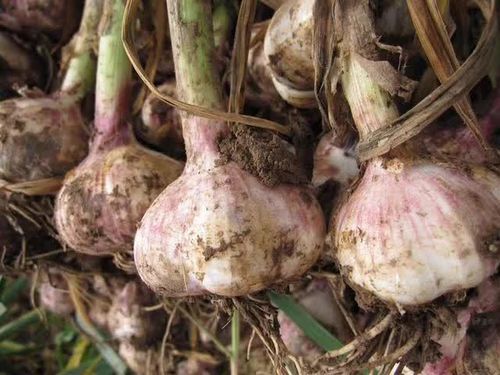
Fertilizers insist on drying and wetting, with light water only when the soil is extremely dry, and heavy water is strictly prohibited from flooding, avoiding low-temperature water that induces scabration. Field weeds are removed in a timely manner, and weeds are used both as a place where the aphids and the aphids live in winter and to compete for soil nutrients. For a small number of weak yellow leaf seedlings that occur after seeding, a state of discharge of the root system, a lack of timely physico-water recharge, and a slight root disease that is diluted by a diluctor, a small area of rooting does not require a full garden spraying。
The winter water chooses to be watered during the day of the night, so that it is sufficient to ensure that the roots of the winter are not frozen. Clean up the fields of sick leaves and sick garlic seedlings before winter, bring out the fields and concentrate in deep burials, and reduce the incidence of bacteria and eggs in winter。
(iii) spring return to expansion: year-round core control period, rotting roots, leaves, intensive pest management
Following the recovery of spring temperature, various strains of the disease are awakened, garlic maggots enter the peak of spawning, and the disease of the leaf spreads rapidly with spring rain。
1. Prevention and treatment of disease (fluccultosis, bacterial morbid disease)
Prevention time: three to five days after returning to water, the first root protection was carried out throughout the park. Fungal root disease has been selected with the use of sperm meth and furamide to spray the root base with the water, taking into account the root system and the protection of the prostheses; bacterical soft disease with high-prevalence plots of circulininin and zinc sprays, with a focus on blocking rain-contaminated passages, once at an interval of 10 days, with basic prevention completed twice。
Early management of the onset of the disease: sporadic strains of disease are dug out in time, gelatinous cells are disinfected, areas of disease are expanded and drug-based rooting is used, and steroids die. Bacillus sprouts are watered to inhibit their spread. Plants that have been extensively decomposed have no healing value and are cleared in a timely manner to avoid cross-cutting。
2. Prevention and control of folate diseases (leaved, purple, rusty)
Pre-rain prevention is key, with protective microbicides, such as ethylene ester and ethylene acetate, sprayed all over the garden two to three days before the spring rain, spreading evenly on the opposite side of the leaf, forming a membrane on the side of the leaf and preventing rain from carrying the fungus. After full drying of the leaves within 24 hours of the rain, an internal inhalant microbicide is sprayed once to reduce the probability of disease in a highly humid environment。
In the early stages of the onset of the disease, mutated leaves and purple diseases are used interchangeably in the form of enzymes, enzymes and epinephrines; and rusty trisulfon-type agents are sprayed at intervals of seven to ten days in order to avoid resistance. The spray focuses on high-prevalence locations such as the tip of the leaf, the lobe and so forth, and increases the effectiveness of prevention and treatment。
Three, garlic maggots, and acne
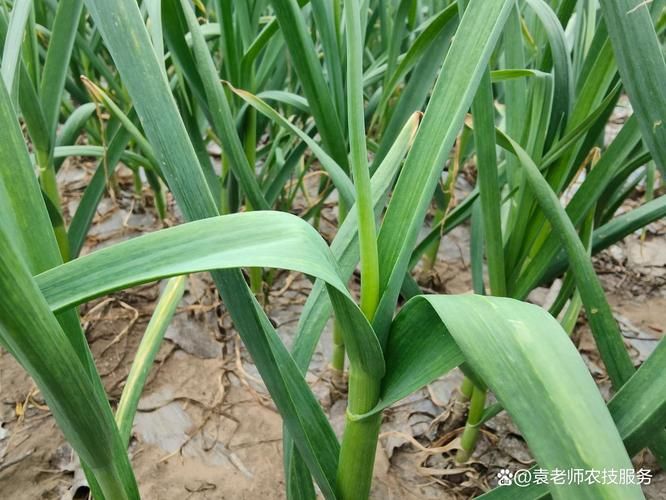
Chrysotile mackerel has a high gestation period, with the use of yellow sticky sheeting to trap the whole garden, with 25 to 30 pieces per acre to reduce egg production; the larvae hatching starts with a golden period of rooting, with the selection of the aridium and avicin to the water to be used for rooting, and the liquid straight-to-worm activity layer, which is much more effective than the later remediation. The use of highly toxic and banned pesticides is strictly prohibited and the controlled harvest safe intervals are strictly applied。
The priority is given to the use of blue viscous pelvis for physical entrapment, and when the pest reaches the control threshold, the choice is to spray the aphids, methal salt in the early morning or evening, with a focus on the area of concentration of the back pelvis of the leaf, with two successive applications to control the density of the worm。
(iv) magnitude expansion to harvest period: light protection and protection of garlic mass
Garlic enters a rapidly expanding phase, with reduced probability of disease and pest occurrence, with core work dominated by wet control and the cleaning of disease strains. During the rainy season, drains were filled in time to eliminate water from the fields; routine inspections revealed that sick leaves were being removed from the fields at any time. The complete cessation of all chemical applications 20 days before the harvest was achieved, the maintenance of field stability with the pre-control effects alone, the reduction of garlic pesticide residues and the benefits of later storage. After harvest, clean up the entire field and finish the fall garden and cut the annual cycle of the disease。
Iv. Critical physical details and elements of differential adjustment to fit different planting scenarios
A series of large-scale field plantings focused on the implementation of rotational systems, with the rotation of garlic and corn, soybeans and kale for two to three years, to reduce heavy barriers at the soil level; small areas of family vegetable gardening, with a lower incidence of pest disease, with priority given to physical and agricultural methods such as blending, sticky-board baiting and decomposting, to reduce the frequency of chemical use。
The sandy soils are weak in water conservation and water is watered in accordance with the principle of a small number of times, avoiding the root decay caused by drought; it has poor caustic aerobicity, with a core of uplifting and drainage, with a focus on the prevention of water-bearing roots. In the past years, the maggots, roots of decomposed old garlic fields, the pre-plant soil disinfection steps cannot be omitted; new plots of soil are clean and can simplify the process of extinction, with emphasis on garlic blend protection。
The combination of pharmaceutical formulations follows the principle of secondary dilution, with a single agent dissolved in a small barrel and then dumped into a large barrel, acidic microbicides and neutral insecticides being used in a normal mix, and alkalin agents such as copper formulations prohibiting matching with potassium phosphate and most microbicides to prevent the efficacy of the drug。
Garlic rotting leaves, pests and infestations are recurring, not without a herbal agent, but rather that most growers miss the optimal prevention window and there are gaps in day-to-day management details. Following the rhythms of the autumn spectrum control, winter suspend, and spring precision, we distinguish between physiological problems and the rationality of the disease, the choice of drugs and their timely use can reduce significantly the number of drug shots and agricultural inputs, as well as stabilize the production of garlic。
Is there a marked difference between the climate, soil conditions and the heavy age of garlic cultivation, and is it more habituated to root or leaf prevention in the spring against garlic maggots and root diseases? What practical methods have been tested in the fields for the prevention and control of garlic leaf diseases? The interest in continuous updating of the green plant management content throughout the cycle can be a long-term concern。
Disclaimer。