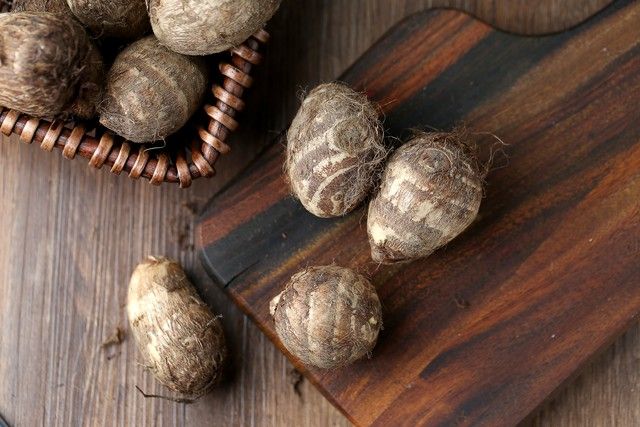
For the whole fresh-skinned potato, the core proposal is: never put it in the freezer room! Put it in the freezer, it'll be "frozen" and it'll be hard, it won't boil, it'll smell。
For taro in this state, the most scientific method of conservation is to store thermal “gang” stocks, which can be operated in these ways:
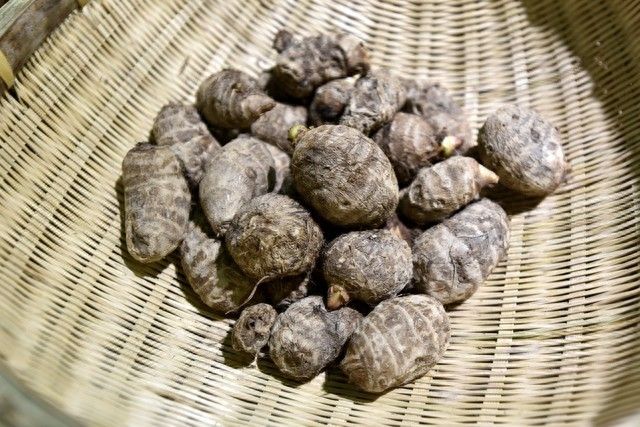
• the preferred “paperbox avoidance” (most recommended, 1-2 months): find a box with a dry newspaper on the bottom. One layer of taro is better, and each layer is separated by dry newspapers (diplomatic) and top-covered newspapers. They are then placed in the cold, light-shunting, ventilation (e. G. North balcony corner). Don't suffocate with plastic bags。
• the turkish “sandshifa” (stored for more than three months): if there is sand in the house, a layer of sand is laid in a barrel, the top layer is covered with taro, and the sand is dry (with loose hands) and placed in the shade。
• the simplest “direct stacking”: if it is small, it is distributed directly in a ventilated basket, free of water, usually for 1-2 weeks。
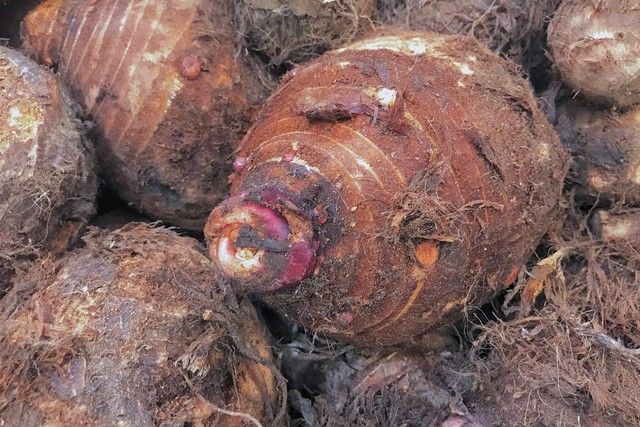
Three “absolute” notes:
• never wash: soil to protect from corruption. Wash it before eating it. It's bad now。
• the “injured” must be singled out: tacos with broken, bumped or soft head must be taken out alone, or it will spread to the good。
• what should we do when it's sprouts: tara hair sprouts are not toxic (not like potatoes), but nutrients are lost. If a small sprout is given, the sprouts are broken and the meat is hard to eat; if it gets softer, it is thrown out。
In conclusion, finding a newspaper with a cardboard pad, keeping it in the shade, eating it as much as you can, is the “long-life secret” of the fresh potato。