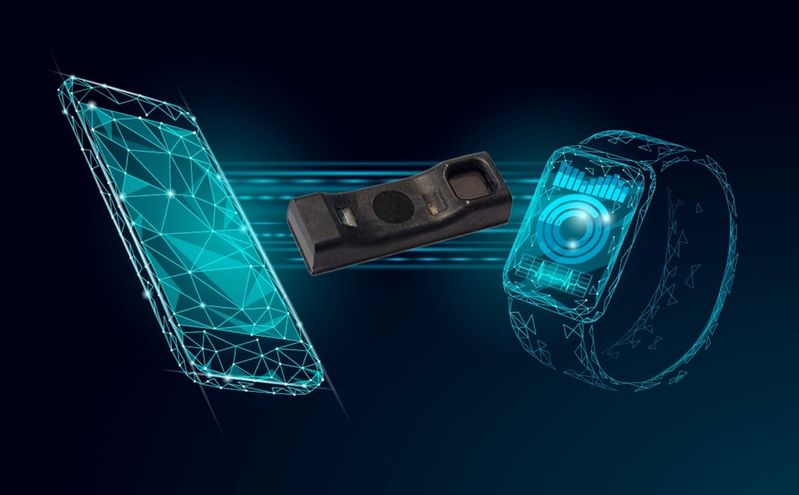
Many equipment claims to be able to measure blood pressure using wearable equipment or smartphones. Most products require the prior use of real pressure sensors and cuffs to measure blood pressure, as well as frequent re-calibration with cuffs. These devices do not even measure blood pressure, but instead measure blood pressure change based on the last calibration。
The number of deaths every four months due to hypertension corresponds to the number of deaths since the emergence of the new coronal virus. This is the primary cause of the patient’s premature death, however, if you know you are suffering from hypertension, it is usually easy to receive treatment。
The first measure of blood pressure is extremely important - but you know if you need a doctor. Before you use one device to measure blood pressure, it is clearly of little use if you need to measure blood pressure for the first time with another。
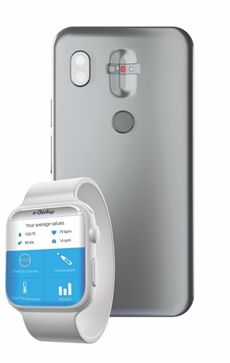
The only useful blood pressure measurement equipment is required to provide absolute blood pressure values of medical precision. Lmd v-sensor is a device that can truly measure blood pressure with no cuffs, recapitulating the methods that doctors have known and trusted for the past 100 years. Moreover, through modernization, the cuff belts are no longer being used, and blood pressure measurements can be easily completed by pressing on the equipment or gently pressing the pointer of the pressure。
Before buying or investing in a “cuffless” blood pressure device, ask the supplier the following question: “how often do i have to re-use another device to calibrate the blood pressure device?”
Can you detect blood pressure with medical precision without cuff belts? After browsing the most recent articles published in the media, many would say, without conceiting, “yes”, and naturally believe that there are now several devices that anyone can measure blood pressure when they need it. But are these devices really real or are they “buyers responsible”
At the outset, the use of new technologies always seemed attractive — the latest television, sound systems, cars — claiming to be more functional, better performance, super easy to use, and indeed, all aspects of the products were far better than any similar equipment before. The opportunity is not lost, and we need to buy it quickly! But we need to look carefully at it, move away from exaggerated propaganda, take a good look at its actual performance and acquire the core key functions we need。
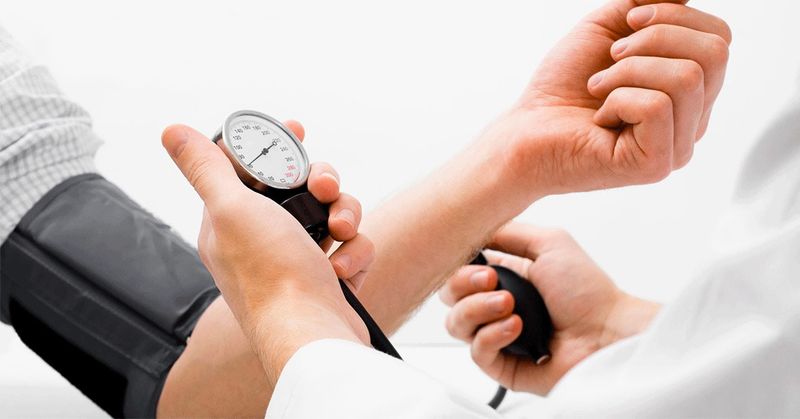
The traditional methods used by doctors to measure blood pressure use cuffbands and pressure meters, i. E. Sphygmomanometers, as well as hearing devices to detect the sound of blood flow. The measurement process is well known: the cuffband is wrapped around the upper arm, inflated, squeezed, constricted or blocked the artery, thereby preventing the flow of the blood; then the pressure is gradually released until the blood flow begins again. At this point in time, the contraction pressure can be measured because the cuff pressure balances exactly with the pressure in the artery during heart constriction (heart beating). Then when the blood flow is completely out of limit, the relief pressure can be measured: the pressure between two heartbeats。
Reads of condensed and constricted mercury columns or pressure discs are available. The reading results show that the pressure is constricted/stamped. Most adults have healthy blood pressure of approximately 120/80 mm mercury, but there are a number of factors leading to different blood pressure values — e. G., age, physical ability, even early morning and caffeine intake。
On the basis of this manual measurement, numerous automatic cuffband measurement devices have been developed. The mode of work of this equipment is not different from that of manual measurements, but small changes in the artery area can be detected during heart beating. This leads to an increase in cuff pressure, which is detected by pressure sensors。
Because of the significant increase in the number of people using smartphones and the widespread availability of wearable devices such as watches, many of the applications that have been introduced claim to be capable of measuring the blood pressure of users or wearers using mobile phone devices or wearing device sensors. All except one stated that blood pressure could be measured without pressure sensors. However, they rely on the detection of pulse speeds transmitted through the artery。
When the heart beats, a beating blood rushes into the artery. This blood formation is transmitted at a rate of about 10 metres per second, so it reaches all parts of the body in approximately one quarter of a second。
Part of the waves reflect at various branches of the artery, so any form of blood pressure depends on complex wave speeds and individual physiological circumstances。
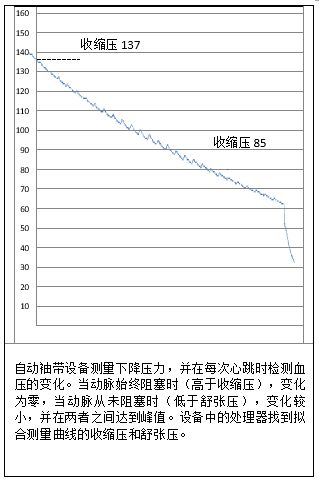
It is well known that wave speed depends on the sclerosis of the artery and internal pressure, so in principle internal pressure can be inferred from the speed. That's how most of the blood pressure measuring devices work in the near future. But there is a fundamental constraint on all equipment — they require cuff calibration and frequent recalibration. You must measure your blood pressure in a normal way and input your measurements into the device. It will then tell you how much blood pressure changes. After a few days and weeks, you will have to measure blood pressure again with your cuffband and enter the results。
It is not surprising that the first calibration is required — each individual's arteries vary in detail, as do the pressure wave patterns generated by the heart and the hardened distribution of different types of arteries. There is a need for frequent re-adaptation of blood pressure, because the physical condition of the human being changes - - the surface hardness of the artery also depends on the hardness of the tissue around it, which is influenced by hydrosis, muscle tension, fat weight and many other physical and even psychological factors。
Given that these devices do not measure blood pressure, but rather measure changes in blood pressure since the last cuff belt measurements, let's see how they work。
Based on the technology used, they can be grouped into four types:
Only mobile camera equipment, pure optical sensors, optical and other sensors, indirect data equipment
Equipment for measuring changes in blood pressure without pressure sensors
1. Application with mobile phone cameras only
These products claim to measure blood pressure by reading the pulse of the finger (usually the index finger), and they light their fingers with a flashlight, which can be read in 10-15 seconds. Cameras are used to detect arterial absorption of light. When the arteries expand, more red light is absorbed. Thus, the resulting signals are associated with the direct area of the artery, which, when pressure rises, is condensed with complex behaviour resulting from many reflex waves。
Then a technique called "pulse waveform analysis" can be used to detect waveform characteristics associated with blood pressure. This is usually done by mechanical learning or artificial intelligence, and at the same time by recording blood pressure, the signals sent by various surveyors. Artificial intelligence attempts to link waveforms to measured blood pressure。
Such analysis is not always easy, but it is even more difficult to obtain accurate results because wave shape depends on the strength of the finger on the camera. Pression increases pressure in the finger tissue and therefore changes in the area of the artery (depending on the differential pressure inside and outside the artery). This change is not constant — it depends on instant pressure — so the waveform changes。
Moreover, some applications claim to be able to use face video images from “self-photographic” cameras for analysis through artificial intelligence — a technique known as skin optical imaging. This technology is non-attractive and therefore has no impact due to your strength. Some published studies have shown that this technique is as accurate as a pressure camera by finger, but that the only equipment approved by the united states food and drug administration (fda) does not claim to be capable of measuring blood pressure and can only be used in a strictly controlled hospital environment。
Equipment using pure optical sensors
On most activity monitoring bracelets and smart watches, led lights light the skin of wrists and optical sensors measure reflection light. This can measure pulses and, if light has two colors, blood oxygen (known as spo2). These sensors can also work in the same way as mobile phone cameras, with the advantage that they are optimized to detect arterial blood, and that continuous monitoring can be achieved if the equipment is worn. The difficulty with these devices is that pressure on the skin surface affects waveforms, which can change when the user moves (which is called motion hypocrisy)。
Similarly, they require frequent calibration and recalibration and some advanced equipment is sold with automatic cuffbands。
3. Equipment for measuring blood pressure using optical and another sensor
Some devices can directly measure pulse conductivity, rather than extrapolate from the wave shape of the surrounding artery. This falls into two categories:
Use electrocardiograms to detect a telecommunications signal that triggers a heart pump or an accelerometer to detect the vibration of a heart pump。
Two optical sensors are used to observe the different positions on the same artery and to detect delays in the transmission of the beating between them。
Two electrodes can be used to check the electrocardiogram, usually each of which is attached to a finger on both hands. Smart phones are usually equipped with an accelerometer, so they can be placed in the chest to detect vibrations. This technology has two main limitations
The trigger peaks (qrs bands in the ekg, various positive and negative movements of the heart and its valves) do not match the timing of blood flow. The period before the blood shoots varies from person to person, so the interval between the onset of the beating and its detection in the outer body is equal to the period before the blood shoots (pep) plus the time of transmission。
Speed can be obtained only when the effective distance between the heart and the outer perimeter is known. In practice, alternative parameters (e. G., the height of the user) and empirical methods are needed for measurement。
There is a problem of accuracy using two sensors. Pulses in the artery do not move instantaneously, but rise over a period of about 50 milliseconds and vary during the exercise, even between pulses. It is difficult to optimize its measurement time to 10 milliseconds, during which wave spreads 100 mm. The two sensors must be far apart in order to make an accurate estimate of wave speed. Even if the speed of the wave is measured, there is a problem that it will vary according to the various physiological conditions, requiring frequent recalibration。
4. Equipment using indirect data
There is now a new device that uses pulse wave-form analysis of pulsed velocity and extensive indirect data, such as age, height, sex and weight of users, for blood pressure measurements. These devices are trained through machine learning or artificial intelligence, using detection signals and indirect data to analyse multiple data. It is alleged that the equipment allows for absolute measurement of blood pressure without individual calibration of cuffbands。
The effectiveness of this approach is in doubt, and a company that deals with this type of product has recently joined the pure pulse wave-forming camp to provide individual calibration solutions with cuffbands. Even if such products were effective, they raised deeper concerns。
You can measure your blood pressure by indirect data alone. It gives normal personal blood pressure values similar to your age, height, sex and weight. Because (in principle) most of us are normal, in most cases this is a good measure. Of course, it does not detect the blood pressure values of abnormal individuals, for whom early and accurate blood pressure measurements are essential. The international standard used for sphygmomanometers is the average accuracy of their measurements. Thus, if a device informs you of the range within which blood pressure should be placed, the equipment can be adopted by an international standard, as a small number of abnormal individual situations are masked by a large number of normal individual situations。
V-sensor - scientifically certified, integrated with new technologies
Only one method is known to accurately measure blood pressure — that is, classic containment techniques — and to pressure the tissue around the artery to balance internal pressure。
The swiss company lmd has built this technology to an entirely new level. In the past decade or so, peanut-sized micro-mechanical devices have been developed, and a growing number of smartphones and wearable devices supporting bluetooth integration have been developed。
Lmd v-sensor is equipped with a dedicated integrated circuit (asic) to work with mobile phones to process and calculate data. Lmd v-sensor uses embedded flexible resin mems pressure sensors, and the index finger is transmitted to dedicated integrated circuits (asic) by their pressure values. This is a key difference between the product and all other products - it uses pressure sensors to measure blood pressure. What most people do not know is that there is an artery on the human index finger near the skin surface。
The pressure on these arteries causes them to shrink or block
It's like cuffband pressure on the upper arm. A game interface in smartphone applications ensures that users exert the right finger pressure and maintain about 45 seconds。
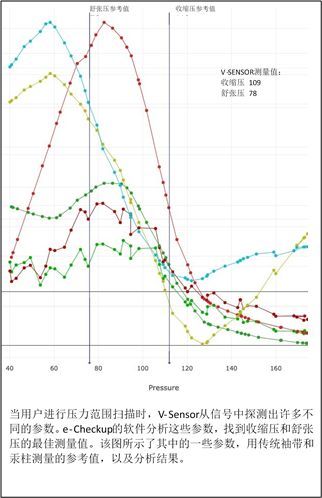
V-sensor also has two leds and an optical sensor consisting of an pv diode. Optical sensors light the skin and can see blood flow and measure blood oxygen levels from blood colours (remoglobin reflectors) and pulse rates (bpm). In addition, v-sensor integrates infrared thermometers, which allow for medical accuracy temperature readings at scanned foreheads. Respiration can be measured based on the relationship between breathing and pulse. Specialized integrated circuits can also measure electrocardiograms by hand。
Lmd is the only manufacturer of similar equipment. After lmd was developed and patented, the university of michigan independently invented a prototype device using the same scientific principles, which has been shown to be capable of accurately and reliably measuring blood pressure without a cuff belt。