The maintenance work, which appears to be simple, has deep knowledge. Maintenance, whether of household appliances, vehicles or large industrial equipment, is essential to keep them operational. A range of basic skills is required to become a qualified maintenance worker. We will then explore these basic skills in depth and illustrate them with concrete examples so that they can be better understood and applied。
I. Diagnostic skills: accurately identifying problems
Diagnostic skills are the cornerstone of maintenance. In the event of equipment failure, maintenance staff will need to determine precisely the root causes of the problem in order to undertake targeted repairs. The importance of this skill is self-evident, as an error in diagnosis could lead to the futility of repair work and even greater damage to equipment。
So how can diagnostic skills be upgraded? First, we need to have an in-depth understanding of the structure and operation of the equipment. Reading equipment's use manuals, technical files and even self-dismantling equipment to observe its internal structure are effective ways of upgrading diagnostic skills. In addition, we can use a number of assistive tools, such as circuit charts, oscillators and so on, to better locate problems。
In the case of washing machines, for example, when the washing machines are not functioning properly, the maintenance staff first check whether the power is properly connected and then check the turnover of the machines. If the power is not turned, they will further check the engine's drive circuits to see if there is a break or short circuit. In this way, the maintenance staff can gradually reduce the scope of the problem and eventually identify the causes of the malfunction。
Dismantling and assembly skills: skilled operational equipment components
Dismantling and assembly skills are essential for maintenance staff. During the maintenance process, we often have to remove certain parts of the equipment in order to replace damaged parts or to perform cleaning. Once the repairs have been completed, we also need to reassemble the components to ensure that the equipment is functional。
The key to upgrading disassembly and assembly skills is familiarity with the structure of the equipment. Only with an in-depth understanding of the various components of the equipment will we be able to do more in dismantling and assembly. In addition, we need to acquire some basic tool-use techniques, such as screwdrivers, wrenches, pliers, etc., to be more efficient in dismantling and assembly。
In the case of bicycles, for example, when the wheel of a bicycle fails, the maintenance staff is required to remove the wheel for inspection. They will use the wrench to remove the fixed screw from the wheel and then remove the wheel from the axle. They also need to reassemble the wheel to the axle after replacing or repairing the parts of the wheel and ensure that the link between the wheel and the frame is solid。
Electronic and mechanical knowledge: an in-depth understanding of the workings of equipment
Electronic and mechanical knowledge is the basic knowledge required of maintenance staff. Modern equipment usually involves both electronic and mechanical technologies, so maintenance personnel need to understand the rationale and application of these technologies。
In terms of electronics, maintenance staff need to know the basic elements of the circuit, the method of drawing the circuit, and the circuit structure of common electronic equipment. They are thus able to read circuit maps and understand the wiring of the equipment, thereby carrying out targeted maintenance。
In mechanical terms, maintenance staff need to understand the basic principles of mechanical, hydraulic, and barometric, as well as the structure and working principles of common mechanical equipment. They are thus able to understand how the mechanical parts of the equipment work, thereby improving their dismantling, assembly and maintenance。
In the case of electromagnetic furnaces, for example, when the electromagnetic furnaces fail, the maintenance staff is required to first check the normality of their circuit parts. They will use tools such as a universal watch to detect electrical voltage, currents, etc. In circuits to see if there are anomalies. If the circuit is partially normal, they also need to check the mechanical parts of the electromagnetic furnace, such as hotline rings, temperature sensors and so forth, for damage or ageing. Through a comprehensive judgement, the maintenance staff was able to identify precisely the cause of the failure of the electromagnetic furnace and to repair it accordingly。
Skills for tool use: key to improving maintenance efficiency
Skills in the use of tools are key to improving the efficiency of service providers. In the maintenance process, we often need to use tools to perform dismantling, assembly, testing, etc. It is therefore important to have a good understanding of how these tools are used。
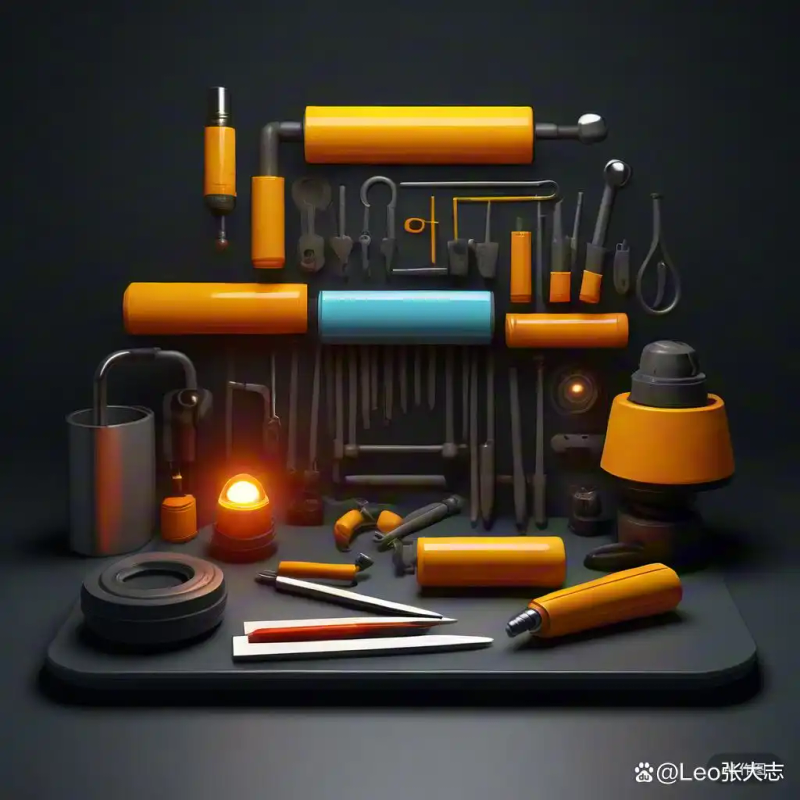
There are many types of maintenance tools that are commonly used, such as screwdrivers, wrenchs, pliers, universal watches, oscillators, etc. These tools have their own characteristics and uses, and therefore need to be used in a context of choice. At the same time, we need to have some basic tools for maintenance, such as cleaning, lubricating, tightening, etc., to ensure that the tools remain in good condition throughout their use。
In the case of motor maintenance, for example, when dismantling engine parts, maintenance personnel are required to use screws and wrenchs of various specifications to tighten or untie bolts and nuts. In the case of motor circuits, they are required to use a one-size-fits-all meter to detect electrical voltage, currents, etc. In the circuits to identify fault points. The maintenance tasks can be carried out more efficiently by skilled maintenance staff using these tools。
V. Security and health knowledge: security of personnel and equipment
Safety and health knowledge are areas that maintenance personnel must focus on. We may be exposed to some harmful substances or hazardous equipment during the maintenance process and must therefore comply strictly with relevant safety norms and sanitary requirements to ensure the safety of personnel and equipment。
First of all, we need to know about common sources of danger and protective measures such as electric shocks, fires, explosions, poisoning, etc. In the maintenance process, we need to take appropriate precautions, such as wearing protective glasses, gloves, masks, etc., and following relevant safety protocols, such as power outages and fire avoidance。
We also need to pay attention to sanitation and cleaning of equipment. It is necessary to avoid bringing impurities such as oil stains, dust and so forth into the equipment in order to affect its normal operation or cause secondary contamination. Once the repairs have been completed, we also need to carry out a full cleaning and disinfection of the equipment to ensure that it meets hygiene standards and is safely operational。
We can learn more about safety norms and health requirements by attending relevant training courses or reading relevant book materials in order to improve safety and health knowledge。
In short, maintenance is not just a technology, but an art and responsibility. As the ancient greek philosopher aristotle said: “being good is not an act, but a habit”. For the maintenance staff, it is their good habits to constantly refine their skills and pursue excellence. Only with these basic skills and their continuous application and upgrading in practice can we become a true maintenance specialist who provides solid guarantees for the functioning of society and the daily lives of people. Let us all cherish those dedicated maintenance staff around us who, with their professional skills and hard work, have ensured that our lives can proceed smoothly。
These are for information only, and i hope they will help you。