What's an engineering mechanic
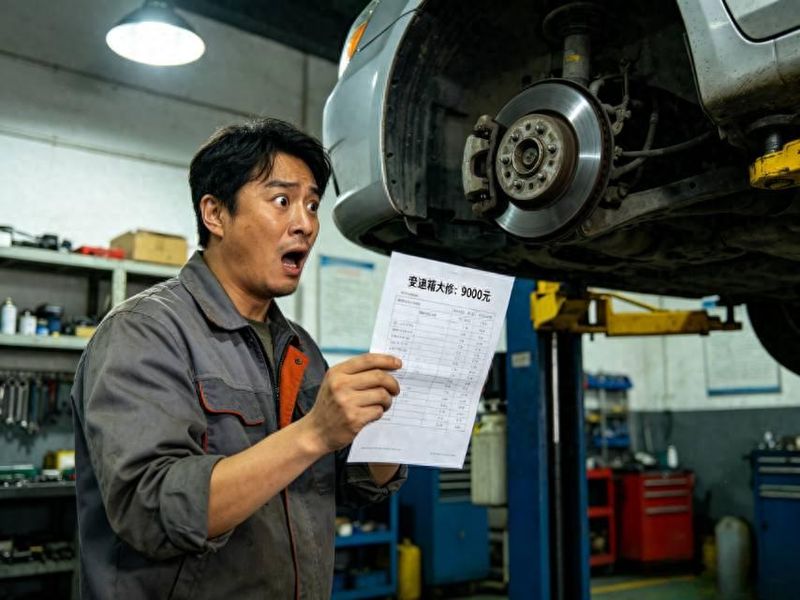
Engineering mechanics, by definition, are professionals specializing in the maintenance and repair of large-scale engineering equipment (such as excavators, bulldozers, loaders, etc.). They are responsible for ensuring that the equipment is fully operational at the construction site and not only need to resolve any unexpected malfunctions, but also to perform regular maintenance and inspection to prevent problems。
The need for various types of engineering machinery and equipment has increased as capital projects have advanced significantly, making it particularly important for maintenance staff with specialized skills。
How can i become a qualified engineer and mechanic
Being a qualified maintenance worker for engineering machinery requires a certain training and certification process and a wide range of knowledge and skills. The following are concrete steps:
(1) educational requirements
While there is no strict and mandatory requirement of high education, it is generally easier for middle-level or technical school graduates to do so. Such schools usually offer courses such as mechanical foundations, electrical principles, etc., which provide a solid basis for follow-up。
(2) vocational training
Many formal institutions offer targeted vocational training courses covering equipment structure, failure diagnosis and screening, and spare parts replacement. Some companies even train their own technicians internally and acquire the appropriate qualifications through in-house training. When participating in vocational training, you can also be exposed to practical opportunities to improve your ability to perform。

(3) certificate examination
All persons wishing to enter this profession must pass a state-accredited qualification examination. It is common at the “primary, middle, senior” levels, each corresponding to different difficulties and job needs。
• primary work: basic operating and maintenance skills only。
• secondary workers: able to perform general overhaul tasks independently。
• senior technician/technologist: not only able to handle complex malfunctions, but also able to manage teams。
A combination of theoretical knowledge and practice is required to take the examination, and it is therefore recommended that candidates be more involved in practical case studies prior to formal admission。
3. What are the examination subjects
The examination subjects involved vary according to grade, but generally all include the following components:
• theoretical component: knowledge of major test candidates on the construction of various types of equipment, the principle of circuits, hydraulic systems, etc. The theme is chosen and the title is chosen。
• operational component: this is the most critical link. Candidates need to be personally involved in the dismantling and assembly of equipment, the diagnosis and repair of assigned malfunctions. This segment looks not only at the level of technology but also at detailed processing capabilities, such as regulation of the use of tools and security measures in place。
• safety knowledge testing: since large machines are highly dangerous, it is essential to understand and comply with safety norms. For example, the question of how to avoid accidents during operations and how to deal with emergencies is one of the priorities of the examination。
There's still an inkling about the conditions for the examination, the entrance to the name, the time and the cost
4. What are the requirements? Is the threshold high
It is not particularly difficult to become an engineering mechanic, compared to other industries, but it has a high level of ability and patience. In addition, physical qualities are also a consideration, given the special working environment and the frequent need to face harsh outdoor weather conditions. However, as long as they are willing to learn and have the strength to persevere, most people are able to pass the relevant certification and are qualified for the job。
For starters with little experience, it is possible to start with assistants or apprentices and to consider applying for higher-level certificates after some practical experience has been gained, thus gradually improving their professional level and competitiveness。
5. What are the employment prospects? How's the pay
Today, china is in a golden period of massive infrastructure development, with various construction projects on fire. As a result, there is a growing reliance on large-scale machinery, both in urban construction and in rural revitalization. According to statistics, tens of thousands of additional heavy equipment are added annually throughout the country, all of which are backed by reliable and professional maintenance and safety teams。
In terms of remuneration, according to regional differences, in general:
• the monthly salary of a junior technician is approximately $5,000
• medium- and senior-level technicians can easily exceed $8,000 per month
• the figure may be even higher if it enters foreign or well-known state enterprises
In addition, the industry is very concerned with accumulation of experience — the more information you have over time, the faster the problem will be solved, the more opportunities for promotion and income growth will naturally be available. And many enterprises offer additional benefits based on employee performance, such as social security, pension benefits, etc., so that you can enjoy long-term well-being。
6. Outlook for future trends
Looking ahead, against the backdrop of rapid advances in automated technology, some smart devices may gradually replace traditional manual operations. Even so, however, there is still a significant demand for talent to master modern smart control systems, to understand data analysis and to monitor debugging remotely. So if you keep up with the times and keep up to date with your skills reserve, you can stay ahead of the industry
In addition, the increasing availability of green energy and new materials will also present new challenges and opportunities in this area. For example, many enterprises have now begun to develop environmentally friendly construction vehicles, and these emerging products also require professional maintenance and optimization. So no matter how advanced technology is in the future, if you continue to learn to work hard, you will not be eliminated