It's getting colder, isn't it? The safety of electric hotpots, an indispensable part of most modern families, has been a constant concern。
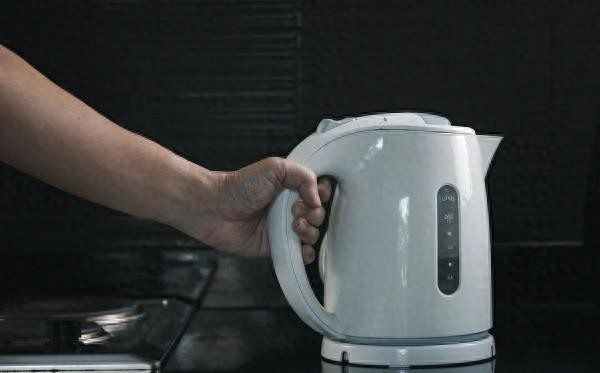
Was it true that there has also been a popular claim that “the prolonged consumption of water from electric hotpots could lead to an excess of manganese elements in the body that could cause both poisoning and cancer
01
Drink the kettle for a long time
Could it cause manganese poisoning
The manganese element is one of the trace elements necessary for the human body and plays an important role in the normal growth and development of the human bones. In real life, manganese is present in most foods and drinking water: manganese in cereals is 0. 4-40 mg/kg and manganese in vegetables and fruit is 0. 2-10. 4 mg/kg, etc。
For adults, the maximum acceptable intake of manganese is 10 mg/day, with long-term over-calculation of manganese, which does cause some damage to the human body, primarily to the nervous system。
However, stainless steel electric hotpots contain manganese in their materials, but they are so dense that daily cooking is difficult to understand。
Even if the manganese elements are actually able to be analyzed, the maximum manganese manganese manganese dialysis in the electro-heat kettle is 1. 168 m g/l, based on the data reported in the electro-heat water kettle inspection, which means that drinking about 9. 4 litres of this electro-heat kettle-burned water per day is likely to exceed acceptable levels and lead to chronic manganese poisoning, which is clearly unrealistic。
In addition, the uptake of manganese in the gastrointestinal tract is only 1 to 5 per cent, most manganese entering the gastrointestinal tract via diet is excreted with faeces, and clinical cases of manganese poisoning due to eating are rare。
Therefore, we need not worry too much about increasing the risk of cancer due to over-ingestion of manganese as a result of drinking kettle water, but be careful that the purchase of a regular product that meets national standards is subject to the following criteria:
How do you choose a different electric kettle
1 for stainless steel hotpots, as much as possible, the food-grade stainless steels of 304 stainless steel, 316 stainless steel, or the electric hotpots with the "implementation standard gb 9684-2011" or "food exposure" markings。
2 for glass hotpots, high-barrel silicon glass should be selected, its performance should be stable, its materials safe and it would not be easy to generate water。
For ceramic electro-heat pots, heavy metal toxic elements may be dissected if they are coloured from the inner wall, and it is recommended that the interior wall should be preferred to be colourless and unmistakable。
In the case of plastic electric hotpots, the use of plastics of p. P. Material is recommended to withstand high temperatures above 130°c, and it is not easy to explain the release of toxic substances, which are used to burn more than enough water。
02
These rumors about the health of drinking water
I'll show you
Is it bad for health if there's dirt on the bottom of the pot?
The burning of water with electric hotpots may leave a thick layer of water at the bottom for a long time. Is it true that there are rumours that prolonged drinking of water can increase the risk of a body suffering from stones
Before we understand this, we need to know what the dirt is。
There is a quantity of calcium and magnesium ions in the piped water used for life, and the water content is higher in the northern region, so the water quality is “harder”. When the piped water boils, the substances in it are chemically activated, dissecting substances such as calcium carbonate and magnesium carbonate, which are not soluble in water, attached to the bottom of the canteen, which is what we call water。
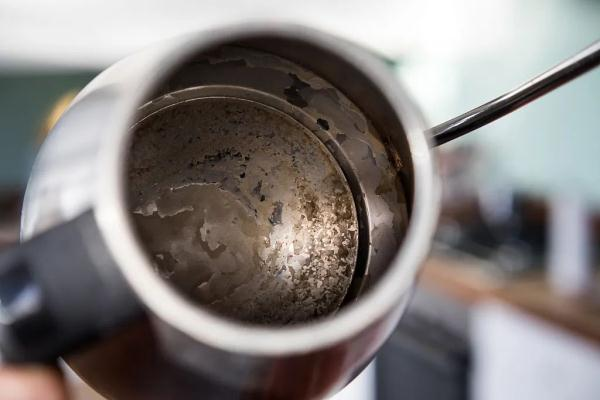
The main ingredient in the water is carbonate substances, which are decomposed when they enter the body, and parts that cannot be decomposed are excreted with faeces and do not threaten health。
There is also a clear requirement for the hardness of piped water in the country's drinking water for living (gb 5749-2006), and drinking qualified piped water does not threaten health。
However, it is recommended that, although not harmful to health, thermal function of hot pots be regularly cleaned up:
Method one: half a spoonful of small sodas is converted to a paste, then removed with clean rags, and wipes back and forth along the wall of a watery pot。
Method two: put lemon slices into the electric hot pot, add fresh water, so that the water is immersed for about five minutes, which can help clear the water。
The repeated burning of water increases carcinogenicity?
If the water in the electric water kettle is not exhausted for a while, it is likely that there will be a second and even repeated heating, and is it true that it is said that this may increase the carcinogen nitrite in water
Nitrate is indeed present in the piped water and, during repeated combustion, some nitrates are converted to nitrites due to high temperature and oxygen deficiency. However, it is important that the nitrite content in piped water is low, even if it is burned repeatedly。
Some journalists have tested nitrite in piped water at approximately 0. 007 mg/l; nitrite at 0. 021 mg/l after burning once; and nitrite at 0. 038 mg/l after burning 20 times。
The standard for drinking water nitrites in our country is 1 mg/l, which means that even with 20 repeated burnings, nitrites are only about 3% of the standard, because there is no need to worry。
You can't drink overnight water?
The water that burns in the morning, it's available in the afternoon. Why can't it be used overnight
If the lid is properly covered, do not say that the house temperature is spread over three days, and the nitrite content remains within 1 mg/l of the national security standard and does not cause cancer。
If you're used to drinking water, open up, there may be mosquitoes, dust, etc. Falling in, or not drinking。
03
Learn to drink like this
You're getting healthier
Hot water
Overheated water is easily burned to the wound cavity, esophagus and stomach mucous membranes. Overheating of drinking water and overheating of food is considered a physical factor for cancer in the upper digestive tract. Thermal consumption above 65°c is classified as carcinogen 2a by the international agency for research on cancer. Better drink warm water. It's about 40°c。
Live water
The possible presence of chlorine gas, bacteria, eggs, residual organic substances in raw water that has not been dealt with effectively poses a potential threat to human health, leading to acute gastrointestinal inflammation and some infectious diseases。
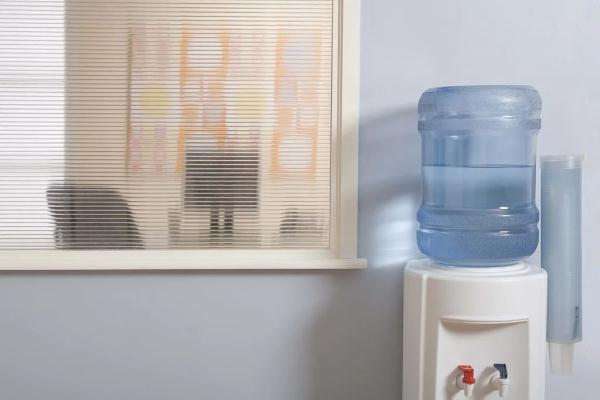
More than seven days of water in a drinking machine
Due to the presence of multiple water intakes and vents, it is difficult for drinking-water machines to be completely disinfected, and as water from drinking-water sources diminishes, bacteria are grown in drinking-water machines, and regular cleaning is required. The water in the drinking water machine also has a shelf life, which is generally appropriate for up to seven days。
As a reminder, water cannot be overdrinked, as recommended in the guide to food for chinese residents (2022), 1,700 ml per day for adult males at low physical activity levels and 1,500 ml per day for adult females。
Of course, a variety of factors, such as size, age and climate, affect individual demand for water, depending on the person, while populations requiring control over drinking water, such as people suffering from heart failure and chronic kidney disease, are subject to medical advice。