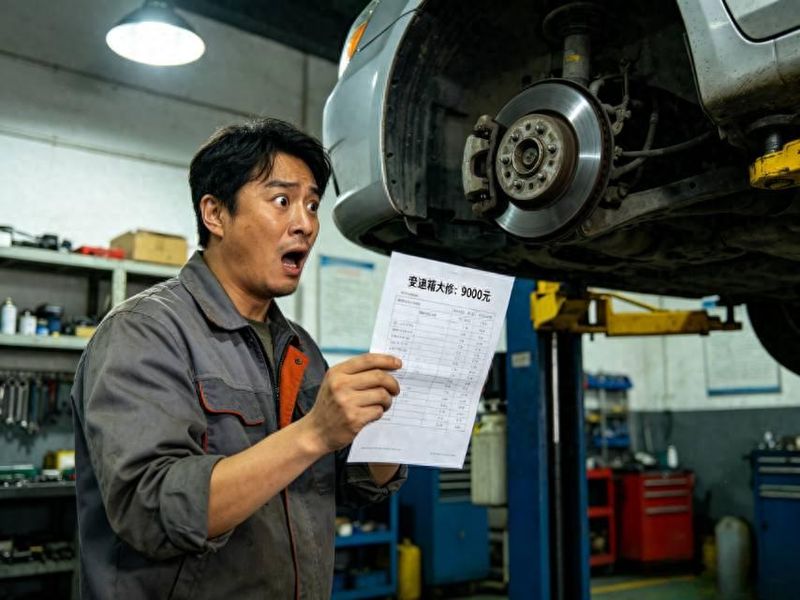
In recent days, internet users have published videos showing televisions that they have purchased at a cost of $2,700 because of unexpected break-up of screens, which they have been told would require $4,600 for replacement. Interestingly, the initial market price of the television was about $3,600, and during the spring season the preferential activity price had dropped to less than $2,500, with no idea that a new screen would be more than twice as expensive as a new machine. After the video was released, there was a lively discussion among netizens, and many indicated that they were experiencing similar experiences and that the cost of repairing behind the screen was indeed very expensive。
The netizens themselves indicated that the cost of changing the television screen was understandable, and that he had considered that it might cost around 2,000. The official offer, however, amounted to $4,600, far beyond the value of the product itself, which was unacceptable. The beijing youth journalist consulted the staff involved in a television brand and learned that maintenance costs included the cost of spare parts and labour costs, and that the industry practice of 75-inch television switching costs no less than $2,000, resulting in a situation where the cost of television switching was more expensive than buying a new machine。
(source: samsung official)
In response, consumers are reminded that electronic digital products do not recommend major repairs or replacement of core parts and that maintenance costs may be much higher than you expected. In particular, some old models of television products do not advocate changing screens. So why is the tv switch so expensive? Is it really fair? Is there any way to fix the maintenance fees
The market for home electricity maintenance is already a mess
In order to learn about the prices of materials for the maintenance of the various brands of television, thunder went through several brands of the official network and found that only mi had given a detailed list of fees. In the case of mi tv es75, for example, the current official sale price is us$ 4999, while the cost of extra-screened materials is us$ 3,100, plus a labour cost of us$ 350. The total cost is us$ 3450, representing 69 per cent of the sale price of the new machine; the larger mi tv es pro 86 inches, costing us$ 7999, is us$ 5,800, representing 72. 5 per cent of the cost of replacement maintenance; and the small size tv es55, representing us$ 2499 and us$ 2000 respectively, represents an increase of 80 per cent。
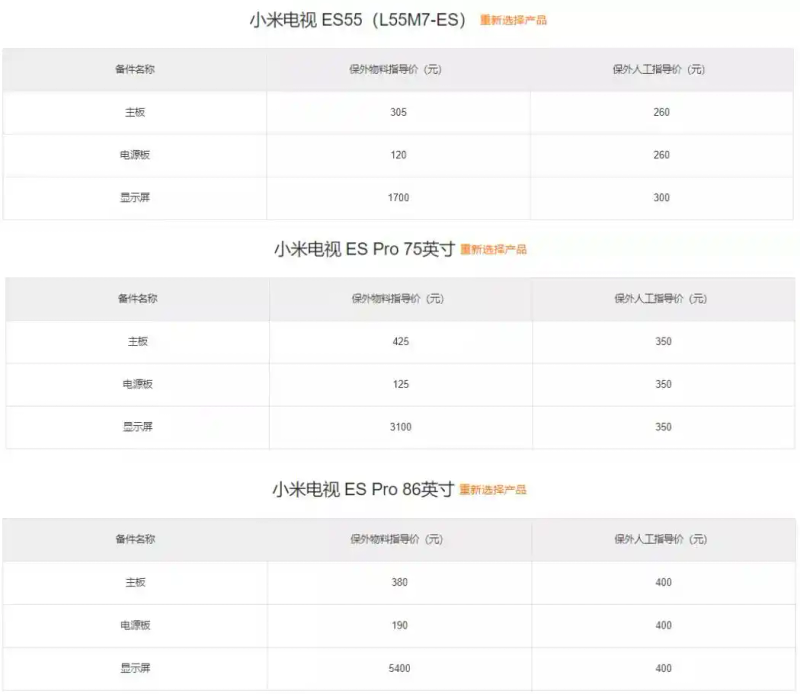
(source: mi official)
It can be seen from the data that the price of extra-screening for television does account for more than 70 per cent of the cost of the new machine, with the larger the size of the screen, the higher the cost of materials and labour, and the lower the cost of small size models, which do not significantly reduce the cost of labour because of smaller sizes, making their maintenance more expensive. Moreover, the labour costs of different brands are different, and the costs of millet should be relatively low within the industry and not up to the millennia of industry practice. But if there is a need for door-to-door maintenance or other services, it is an alternative price. Therefore, there is a real risk that the cost of changing television screens will exceed the price of new machines。
There are three possible reasons why the television switch is so expensive. First, the central component of television is the screen, which costs more than 50 per cent of the total machine cost. For the majority of the plants, the zero ratio (all spare parts/whole unit prices) is also considered when storing spare parts, and the price of maintenance materials is significantly higher than the actual purchase price. The cost of repairing the complex of labour, transportation, etc. Far exceeds the value of the screen itself。
Second, television products are numerous in size and are highly iterative, and some old models may not reserve too many replacement parts and even fewer screen components. If the manufacturer no longer has the original screen of the model, re-procurement would be required if the replacement were to be maintained, at a time when it would have to be calculated on the basis of the purchase price of several years ago and the offer would have been much higher than the current price. Therefore, old-style television change screens are not only difficult to find but also costly, and if replaced with non-existent screens, problems will inevitably arise, so many manufacturers do not advise customers to change screens。
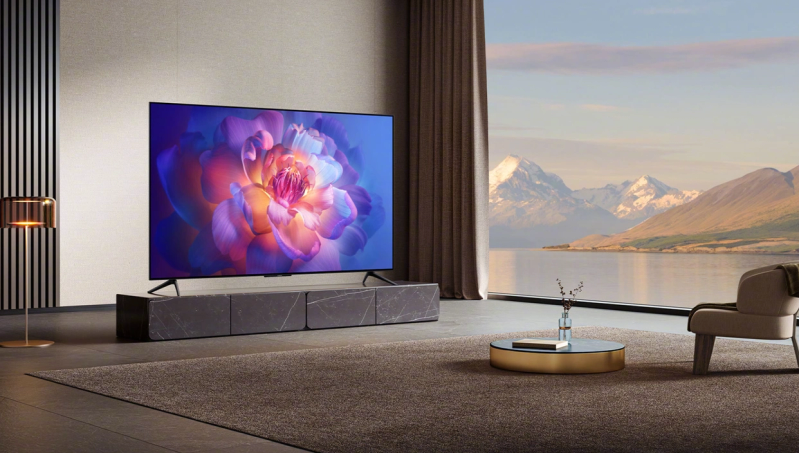
(source: mi official)
Thirdly, the hardware profits of television today are very low, largely based on members'services, software or advertising. It is difficult for maintenance change service providers to earn too much profit from this, and they have to increase maintenance offers on the screen to balance the returns. Taken together, for television manufacturers, the change-of-screen maintenance services are in fact an unwelcome exercise, and there is a high risk that, if the screens were damaged during the maintenance, the manufacturer would have to bear this loss. Given the high maintenance prices and the risks that may arise, manufacturers prefer to change their consumers rather than change the screen at great expense。
In fact, in addition to television, such as monitors, mobile phones, laptops, etc., the cost of changing screens is equally high, which may cost about half the price of a new machine, highlighting the importance of fragmentation. In addition, electricity maintenance prices such as refrigerators, air conditioners, washing machines and so forth are sometimes more prohibitive, and fees are very confusing and do not have uniform standards. The maintenance master just came in and took a look and told you to change the parts。
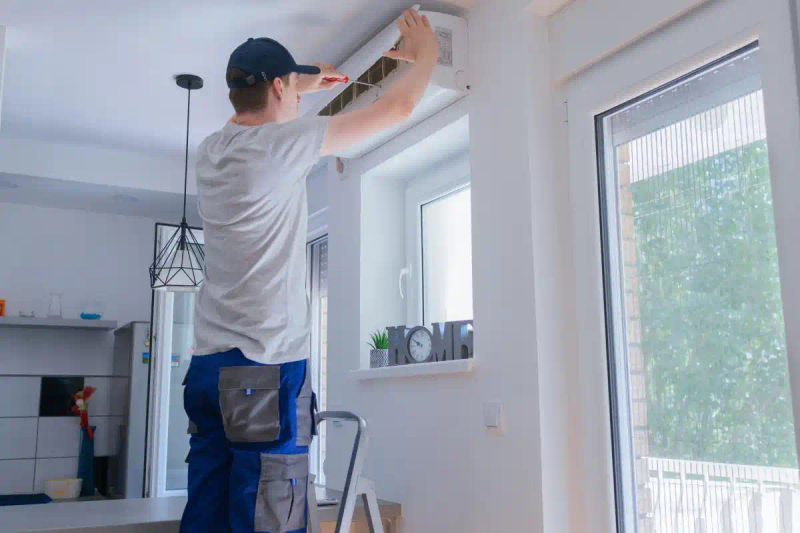
(source: veer)
The current problems in the domestic electricity maintenance sector are mainly as follows: first of all, a lot of the mechanics are very sick and unsick, and they can screw up a few screws, and then they'll just jump at you to change parts or pretend to be there for half a day to get the offer. Second, because of the longer service cycle of official maintenance, many consumers find third-party platforms or off-line maintenance points for quick repair. These institutions do not have a coded price, and will be able to use the poor spare parts in second place. High-cost technology is not guaranteed, which eventually leads to the deterioration of the product。
There is a long-standing problem with fees in the home electricity maintenance market, and sometimes even after the brand is sold, the repair of the master's home, and the fee is basically a matter of his own, and the price of any repairs may be almost enough to buy a new one. So, how exactly should the problem of maintenance fees be addressed, and can consumers repair their electricity normally
It's the only way to save the market
The maintenance of household electricity is a service that a domestic power manufacturer needs to provide and to perform, but it is difficult for old household electricity to seek official maintenance because it has a longer life cycle and cannot provide that service. As a result, many users have to choose a third-party maintenance facility so that they have fallen into the pit of an unlucky businessman, which would have been a minor problem and could have ended up in the product several times after maintenance。
So the most important thing is to rely on the brand itself in order to fix the mess of the market for household electricity maintenance. First, the branding of home electricity requires the establishment of a more comprehensive and well-developed network of after-sales services, the expansion of professional maintenance teams, the upgrading of technical staff and the corresponding penalties for excessive and private fees. In this way, efficient and timely maintenance services for consumers can be provided, as well as avoiding such problems as minor illness and unsickness. Faced with situations that were really not worth repairing, such as the replacement of old television screens, consumers should be given correct guidance and efforts should be made to solve problems encountered by users。
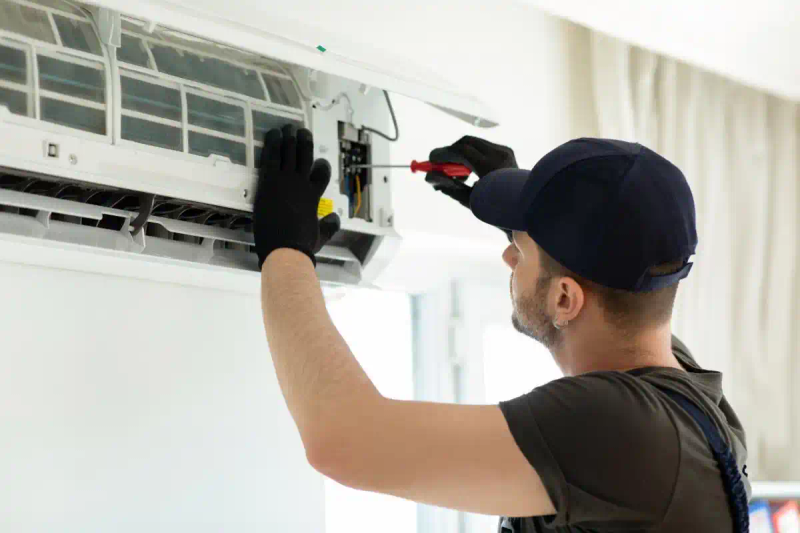
(source: veer)
Second, the household electricity industry and the relevant regulatory authorities should examine, screen and require certified service from the maintenance services in the market, so as to clean up some of the fake third-party maintenance facilities and better protect the interests of consumers. Finally, an attempt could be made to promote the creation of more generic parts that would accommodate different types of household electricity across the various brands, which would reduce the cost of maintenance of products, make the parts more transparent and make consumers less vulnerable. The breakdown of fees in the domestic electricity maintenance industry is also due to poor consumer understanding of the product and unequal information. Thus, brands should provide consumers with more guidance and advice on maintenance, with clear and transparent fees, in order to avoid paying back money at price。
The problems in the domestic electrical maintenance industry are all too often mixed, and there has been a previous pattern of clandestine replacement of spare parts with sub-charging, with consumers not knowing the product. From the consumer's point of view, if there is a problem with home appliances, it's first thought or after a brand is sold, but now that third-party maintenance agencies are living so well, it is also a reflection of the great deficiencies and loopholes in post-brand services. Therefore, to deal thoroughly with all kinds of disruptions in the household electricity maintenance industry, the brand will need to do its own after-sales service. There is a need for consumers to respond quickly and to resolve problems in a timely manner, and there is naturally no third-party maintenance agency, and there can be slow improvements in fees。