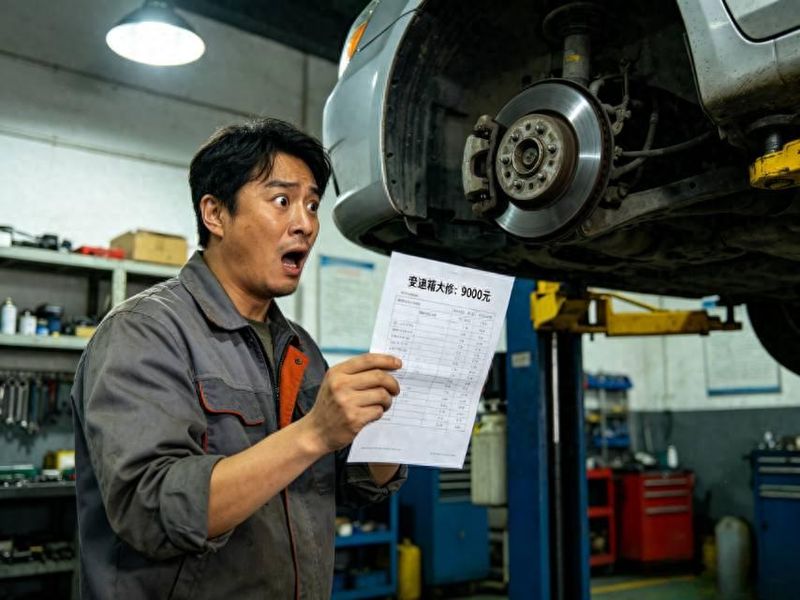
Empirical items, by definition, are spare parts that are used with a high frequency during the operation of the vehicle, are prone to consumption and damage and require timely inspection and replacement within a given cycle。
Automobiles can be classified into five main categories of motors, chassis, body, electrical appliances and consumables, by large and complete classification, with no less than 200 units。
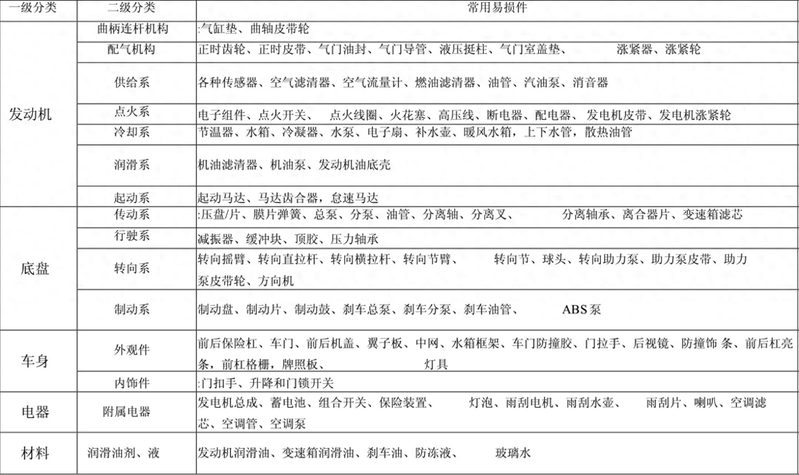
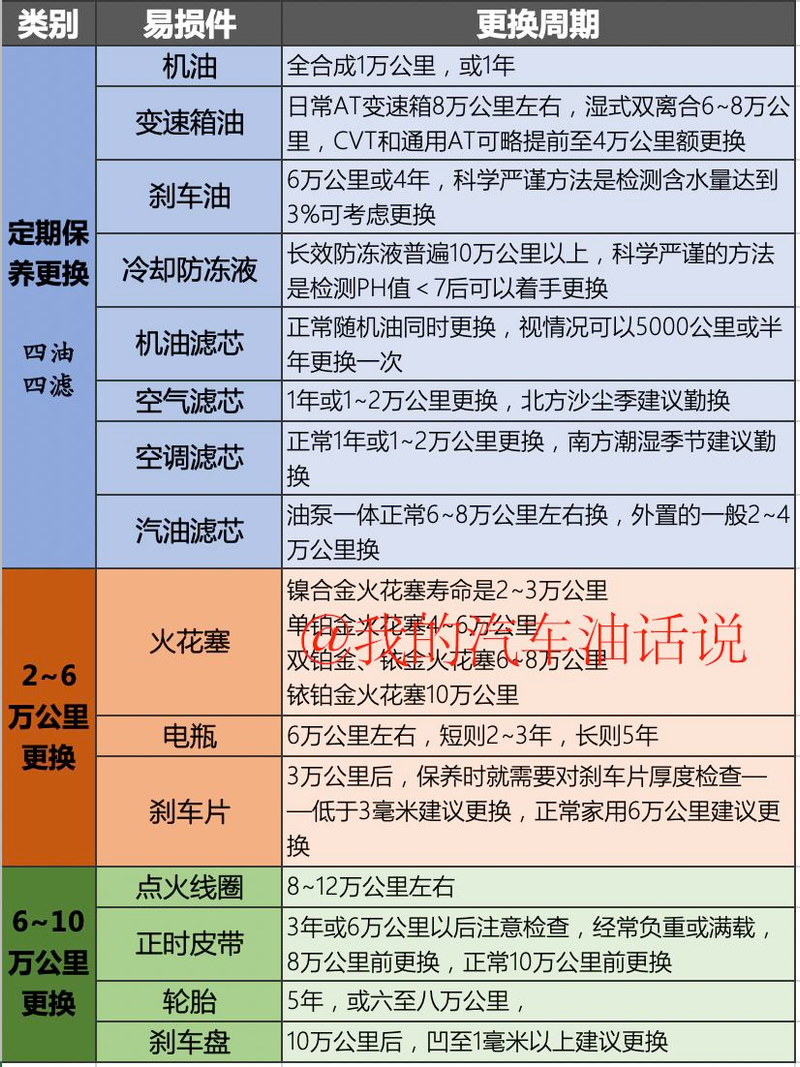
Based on the five main categories, marked by time and number of kilometres, and based on regular maintenance replacements, replacements of 20-60,000 kilometres and replacements of more than 60,000 kilometres, the main vehicle vulnerability items are updated。
1/
Periodic maintenance replacement
Four oils are filtered, including engine oil, gear tank oil, brake oil, cooling fluids, as well as air filters, air-conditioning filters, oil filters and petrol filters。
(b) oil, fully synthesized at 10,000 km, or one year
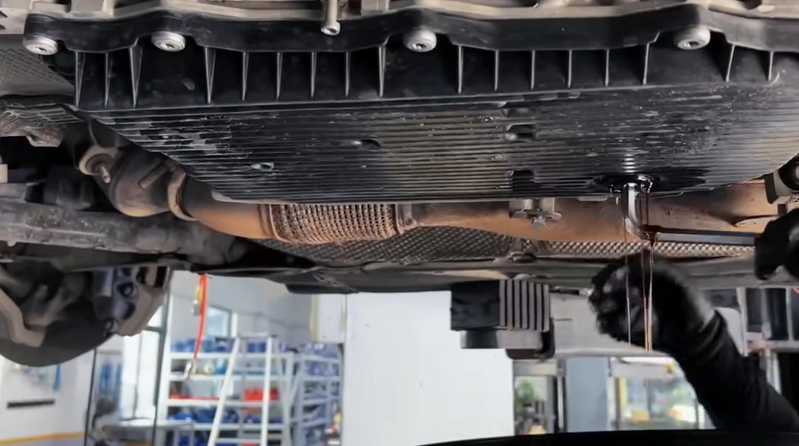
(b) vector tank oil, approximately 80,000 km from normal at gearbox, humid double fusion of 60,000-80,000 km for replacement, cvt and general at may be slightly advanced to 40,000 km; replacement operation with two focus points, i. E. Gravitational replacement without recyclers, and ii. Oil casing replacement with filter cores, if possible
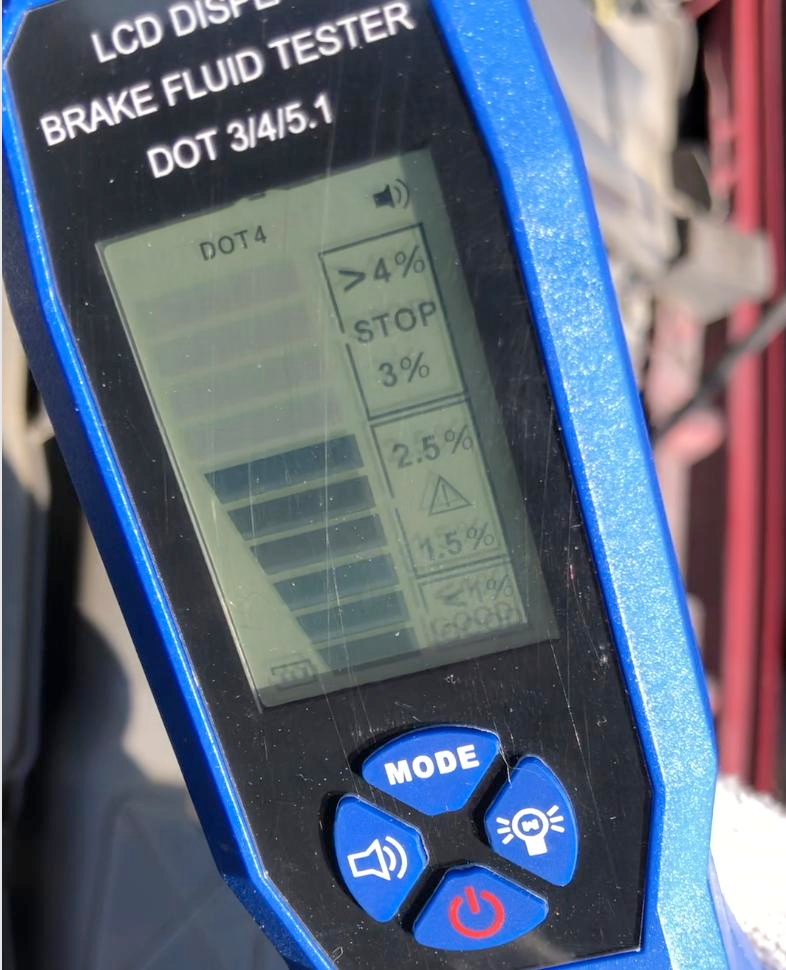
Brake oil, which is generally recommended at 60,000 km or 4 years, is scientifically rigorous by detecting 3% of the water content for possible replacement
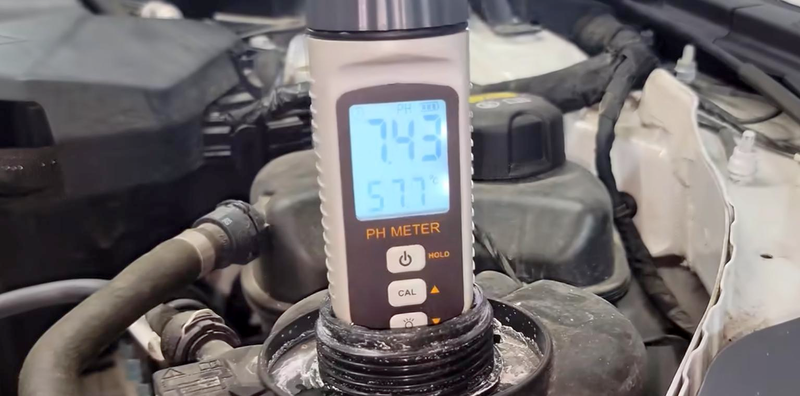
Refrigerated anti-freezing fluids, with long-activated anti-freeze fluids in general of more than 100,000 kilometres, can be replaced on a daily basis, depending on whether the cooling fluid is consumed at a slow pace or not, scientifically soundly by testing the ph <7 value, which is corrosive to metals
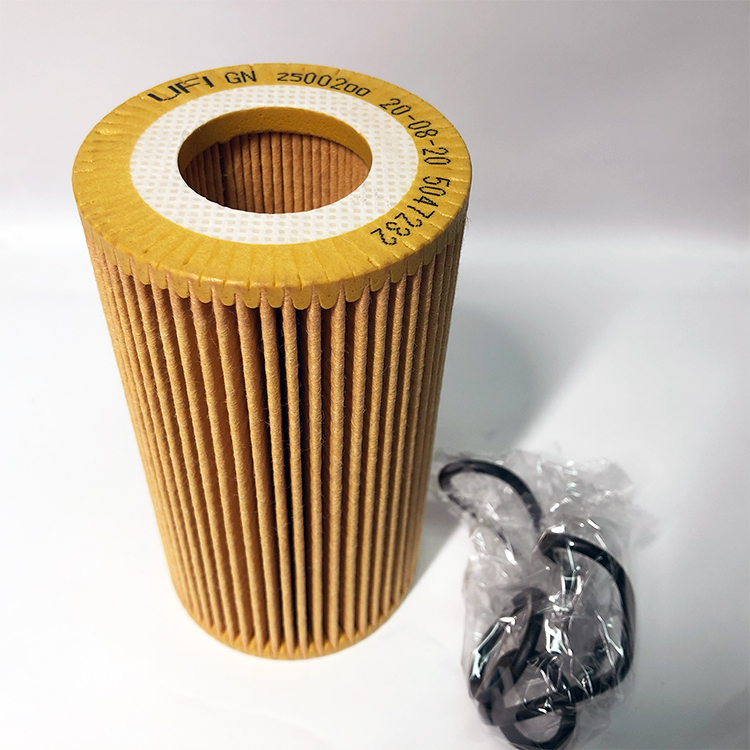
(a) oil filtering, which is iron scraps in which the engine in the filter oils is worn out, and the formation of carbon impurities after combustion, where normal random oils are replaced at the same time and may be replaced 5,000 kilometres or half a year as the case may be
Air filtering, which is the mask of the engine, filters the dust and dust in the air, prevents the inhaling of the engine and cuts the walls of the tank, replaces normal 1 year or 120 000 km, and the northern sand and dust season recommends a shift
Air-conditioning filters, internal air-conditioning masks, normal 1 year or 1 to 120,000 kilometres for replacement, recommended for replacement during the wet southern season
Gasoline filtering, built-in tanks, usually 6,000-80,000 km for oil pumps and 244,000 km for outside。
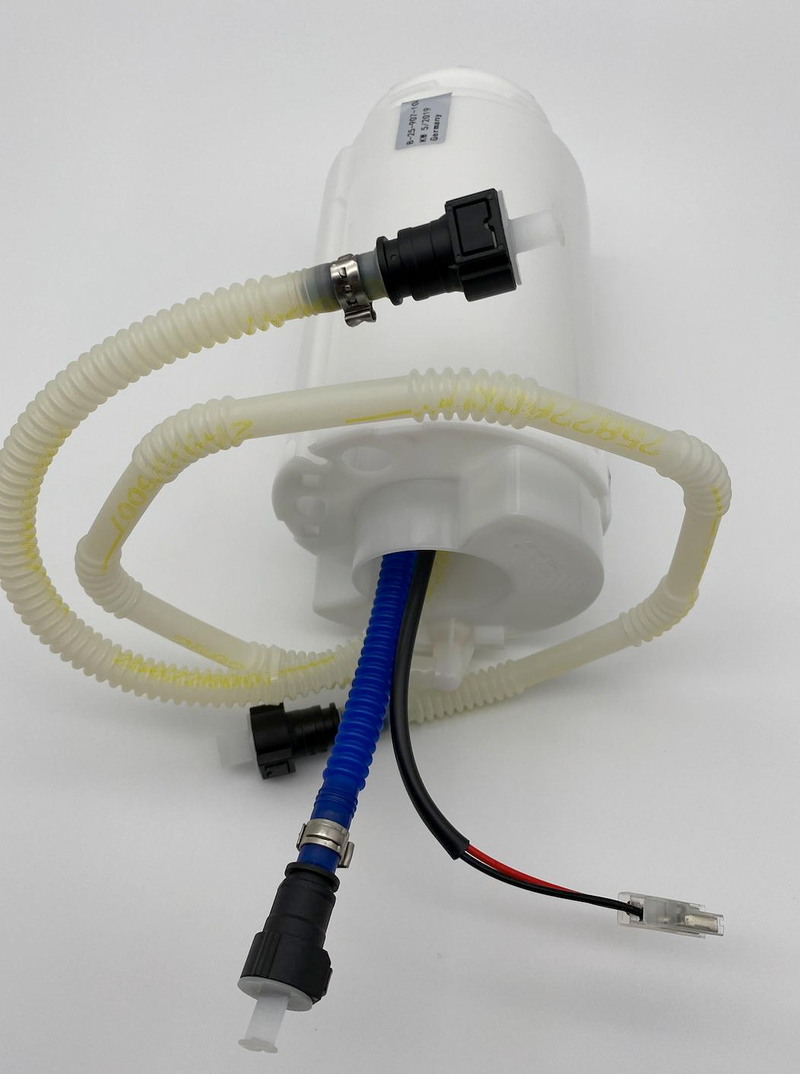
Inline petrol filter core
2/
Change of 20,000-60,000 kilometres
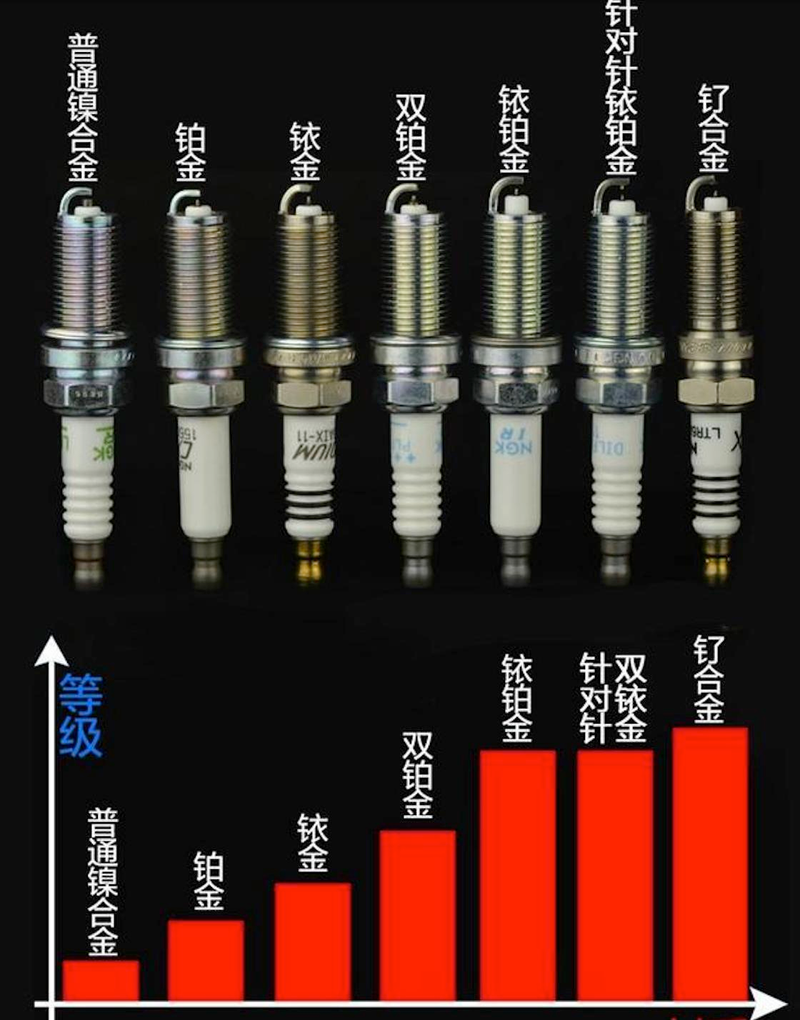
First, spark plugs, whose replacement cycle depends on different materials and vehicle types, in terms of materials -
Nickel alloy pyrotechnics have a life of 20,000 to 30,000 km
Platinum
Double platinum and platinum platinum piping 60 to 80,000 km
The gold spark plugs 100,000 km。
Car models equipped with turbo boost engines, since multiple ignitions at a time are relatively costly and change early。
Second, the bottle, which also has a certain elasticity in its replacement cycle, has a greater relationship with its lifetime and usage habits -
If the vehicle is driven daily and more than 10 kilometres to and from work, the bottle is equivalent to being used for five or six years at a low level。
But if you can't get your car parked, or if you stop at five kilometers a time, the battery doesn't go out, the next time you start the car, it's not electricity again, the bottle's out of power, and the life is worse。
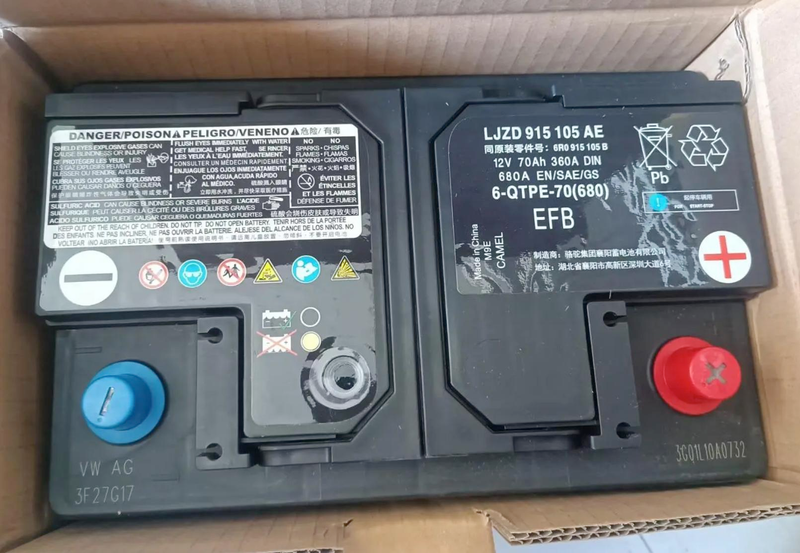
Normally, about 60,000 kilometres, 2 or 3 years, and 5 years, need to be considered for the replacement of bottles。
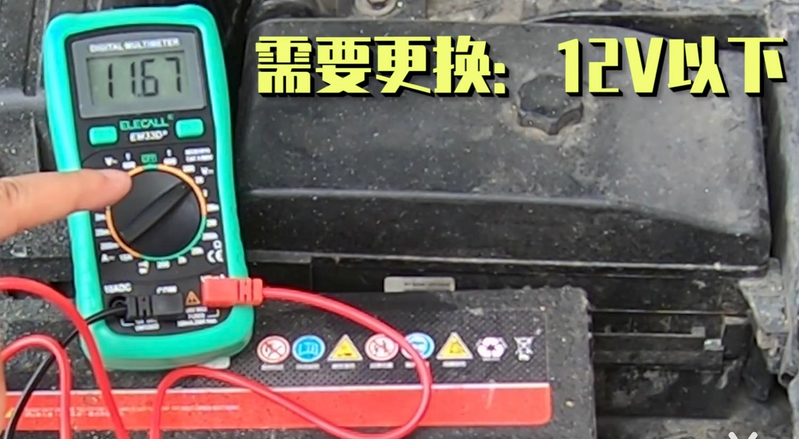
The scientific rigour method is to be tested with a universal meter or vial detector, and replacement is required if the battery is charged at a voltage below 12v and still below 12v the day after charge。
Third, brakes
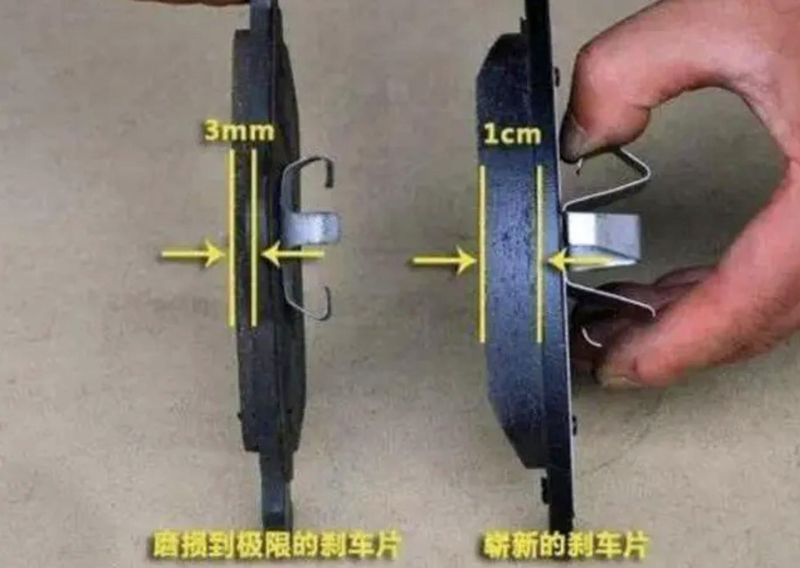
After 30,000 kilometres, the brake blade thickness inspection — less than 3 mm — is required for maintenance or a third of the original thickness is recommended for replacement。
In terms of household use, 60,000 kilometres of brakes are not a problem, as long as it is not a daily brake. For example, the camery maintenance manual recommends that brakes be replaced every 60,000 kilometres。
Second, the brakes usually wear faster。
3/
6~100,000 km replacement
First, it's a lit wire。
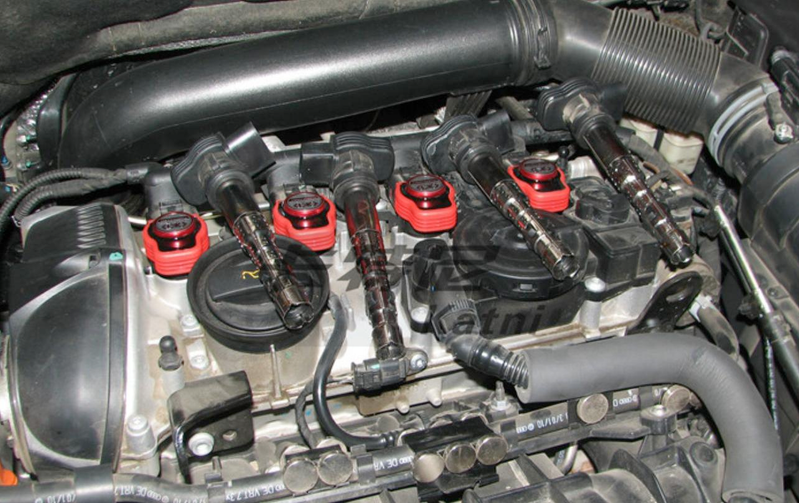
In case of sudden abnormal vibrations or accelerations of weakness in cars, it is necessary to check whether the ignition ring is malfunctioning and needs to be replaced, generally at around 80-120,000 kilometres。
Second, the time belt。
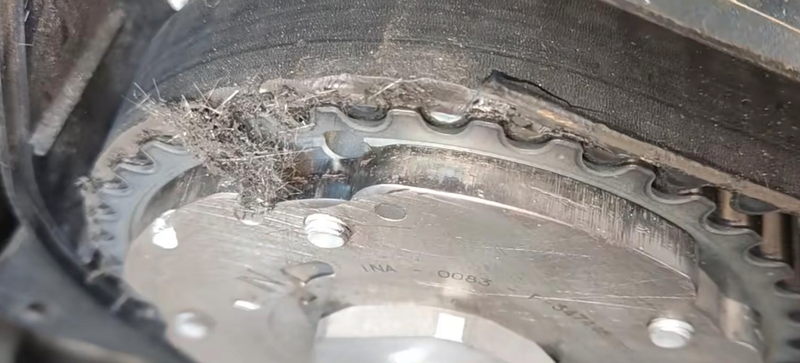
Normally, when the belt is in place, care is taken to check for cracks or fur edges, and if so, to replace them in a timely manner。
Therefore, if vehicles are frequently heavily driven, it is recommended that they should be replaced by approximately 60,000 to 80,000 kilometres; if new, they should also be replaced by 100,000 kilometres。
There was no sign of the time belt before it was broken, and it was broken。
Third, tyres。
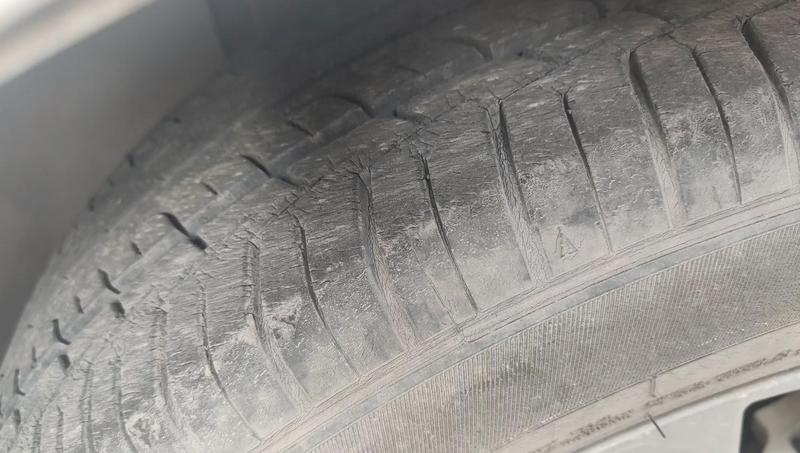
How long are tyres replaced? The design life of tyres begins at the start of the plant and lasts for five years。
In the normal life cycle, replacements can be considered generally up to five years, or from 60,000 to 80,000 kilometres。
The low number of kilometres and the availability of tyres for more than five years, with a long-term high-speed of less than six years and less than six to eight years of high-speed, need to be appropriately advanced from a safety point of view。
Finally, the brakes。
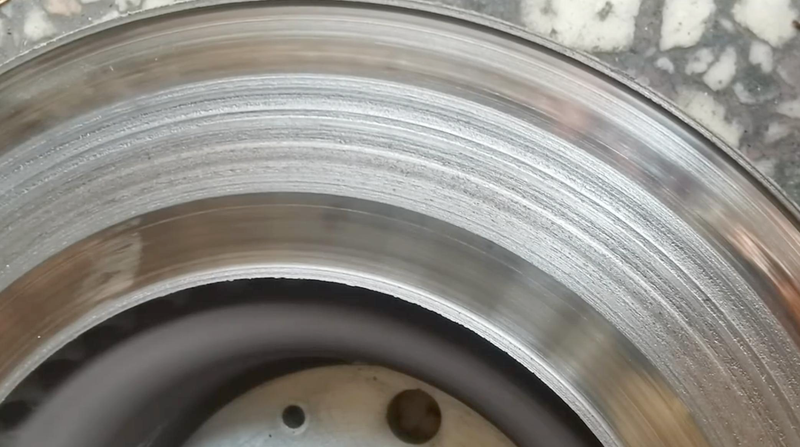
The replacement of brake plates normally takes place 100,000 kilometres and, normally, after the replacement of the thorium-3 brake plates, the replacement can be checked。
Scientificly, the maximum wear limit for brake plates is 2 mm, and when the discs exceed 1 mm and the limit exceeds 1. 5 mm, replacement is absolutely necessary。
That's for everyone