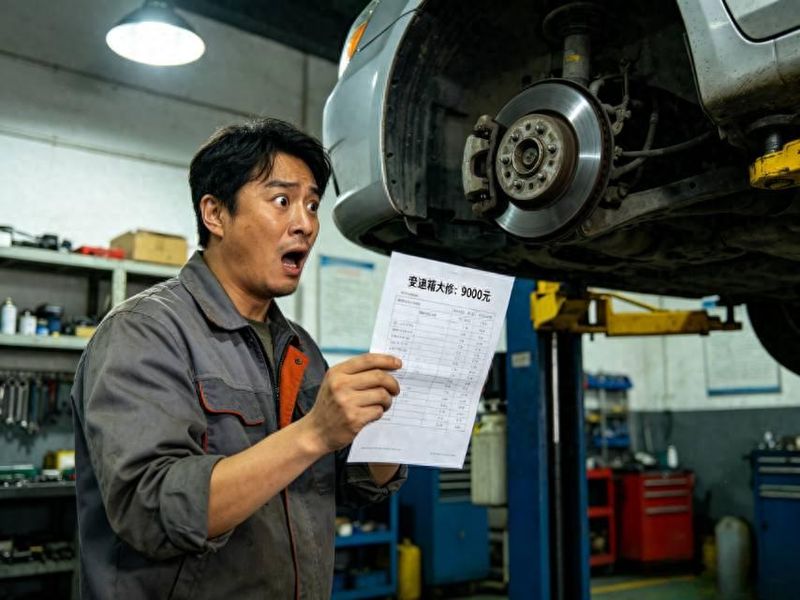
When a camery owner in beijing maintains 40,000 kilometres, he is recommended by the 4s store for a “full maintenance package” and collects $800 for engine cleaning alone; guangzhou mixes with the camery owner, who is more unjust and believes that “batteries need to be maintained every year” and spends $3,000 on useless battery activation. As the “housekeepers” who consistently dominate the b-class sales list, camery maintains many “submarine rules” — the difference between fuel and hybrids, and the 4s suite is far more defensive. The acquisition of these five core nodes, with 60,000 kilometres of energy, will also increase the life of the vehicle。
I. Electronic oils: don't be blindly priced, the original label is the key
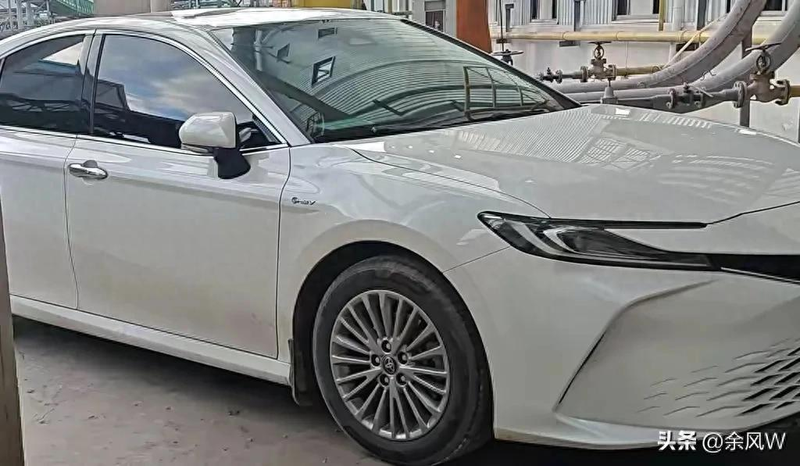
The oil is the “blood” of the engine, but the owner of the camery car is the most likely to spend money on the oil. 4s often recommends “high-end synthetic oil” at a price of more than 300, which is totally unnecessary。
The official camery specifically requested the use of sn-grade 0w-20 full-synthetic oil at a price of about $298 for the 4l loading plant, plus 55 dollars for oil filtering cores and 5 dollars for gaskets, plus 200 dollars for working hours at a small maintenance cost of about 548 dollars. Here are two key knowledge points:
• maintenance cycle: 5,000 kilometres, free of charge, every 10,000 kilometres or 12 months thereafter, without having to believe that “5,000 kilometres have to be replaced”, the lubrication efficiency of the original plant oil can fully support the continuation of 10,000 kilometres。
• self-checking techniques: when each refuelling is carried out, the oil does not need to be replaced in advance if it is between “min” and “max” and the oil is bright; if it is dark and accompanied by impurities, it is replaced even if it is not in the cycle。
Pipe avoidance alerts: the mixer is fully consistent with the fuel version model, with a small maintenance cost of only around $50, not to be fooled by the term “mixed need for dedicated engine oil”. Following the release of the insurance, a formal chain of maintenance was selected, using brand-name oil, which would save about $150。
Vulnerable items: 3 “end-of-life tipping points” to be firmly recorded
The replacement of perishable items is a “big head” of maintenance, which is wasted in advance and is fatal in late exchange. There are clear criteria for the replacement of vulnerable items in camery, bearing in mind that these three critical points are precise enough to avoid pits。
Brake plates: 3mm is the bottom line
Brake grinding is directly related to the safety of the vehicle, which is twice as fast as the rear wheel, as it carries 70 per cent power. It is recommended that inspections be conducted every 30,000 kilometres, but the actual replacement depends on the thickness:
• a 1-dollar ratio is applied, and if the remaining friction layer is below the edge of the coin (approximately 3 mm), it must be replaced immediately, otherwise the brake distance will be extended by 6-8 metres。
• continued screeching or pedal vibrations during brakes indicate that brake blades have been sharpened to the metal backboard, at a time when brakes may have been damaged and maintenance costs increased by over $2,000。
Brake oil and spark plugs: don't let the cycle get any shorter
The brake oil is water-absorbed, and the official camery requires that every 60,000 km or 2 years of replacement be carried out with more than 3 per cent of the water content in advance — the tests used in 4s store can be quickly measured and provided free of charge. Pyramids are proposed to be replaced by 60,000 kilometres at a single cost of $108 for the original plant and approximately $612 for four processing hours, saving $300 for the secondary plant, subject to the selection of products that meet the heating standards。
Rain scratch and tire: don't wait till it's broken
The one-year change in rain-shaving tape is recommended, in particular the need to check before the rainy season, and the replacement of scrap water in a timely manner requires only $99, which is much less costly than an accident caused by a lack of vision. Tyres are shown to be worn marks, with 50,000 km or 5 years of use, and are replaced even if the gratuity is still deep, with the early replacement of tyres at a cost of approximately $800 per tyre。
Iii. Mixing appliance: battery maintenance is the core and quality assurance policy is to be eaten twilight
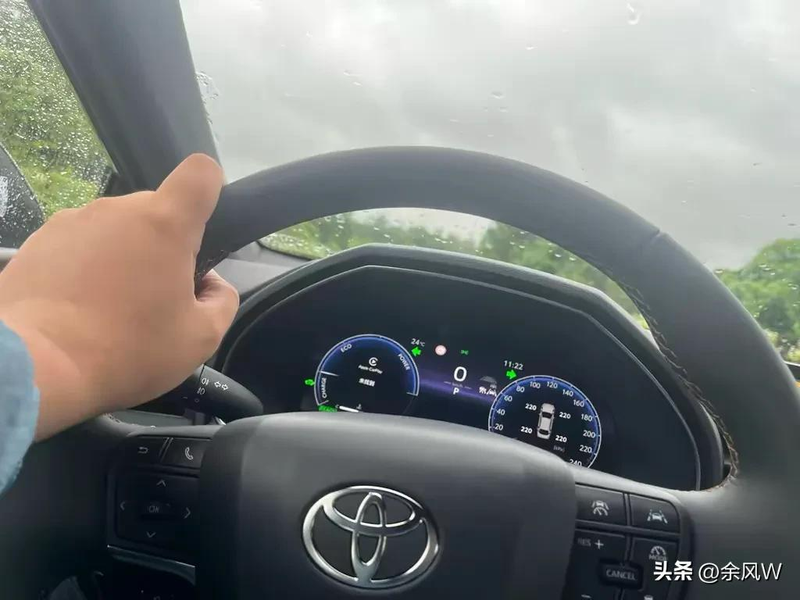
Mixing camery's maintenance dispute is centred on batteries, which actually saves money by mastering the rules of the factory. The first two points are clear:
• maintenance cycle is consistent with fuel version: for every 10,000 km of minor maintenance, 40,000 km of large maintenance, the cost of minor maintenance is approximately $537, which is only 10 per cent higher than the fuel version。
• batteries are safe: the manufacturer provides 8 years and 200,000 km of quality assurance, normal use of nickel and hydrogen batteries has a very low failure rate, and replacement costs are 60 per cent lower than five years ago and no additional “battery insurance” is required。
Battery maintenance has two key techniques:
1. Avoid long-term short-distance travel: less than 10 kilometres per commuting, which leads to inadequate battery charge and is prone to decay, and it is recommended that at least one high-speed drive per month be made to allow the battery to fully circulate。
2. Self-censorship: the test is free of charge at 4s store if, as judged by the energy flow of the dashboard, the pointer moves frequently and quickly when charged, or if there is a significant reduction in the pure re-carrying, and the quality warranty period can be replaced free of charge。
For 40,000 kilometres of major maintenance, the mixing version requires additional inspection of electrical cooling fluids, at a cost of approximately $150, the only core item that has more power than the fuel version and is not recommended for use such as “battery depth maintenance”。
Four, four, four, four, four
Camery's owner responded that 4s was most likely to sell useless projects during maintenance, and that three cases were directly rejected:
1. Depth cleaning of engines: once per 40,000-5,000 kilometres of regular oil, with no need for major maintenance, with a single charge of $300-500 being a waste。
2. Pre-replacement of transformer tank oil: the official specification of 40,000 kilometres to replace transformer tank oil at a cost of approximately $912, which, if recommended for 20,000 kilometres, is directly refuted by the maintenance manual。
Fuel system maintenance: sufficient for the normal vehicle condition of 20,000 kilometres at a time, do not believe that “each maintenance is to be done” and that the set of items, at a cost of $200-400, will have limited practical effect。
Upon release, formal chains of repair are selected, spare parts are selected as original plants or brands with certification, such as the original air-conditioning core plant of $99, which requires only $50 and is largely consistent. However, key oil items, such as brake oil and gear tank oil, are recommended to remain in the plant to avoid damage to the system as a result of non-conformity。
V. Long-term car support: 3 customary longer lives
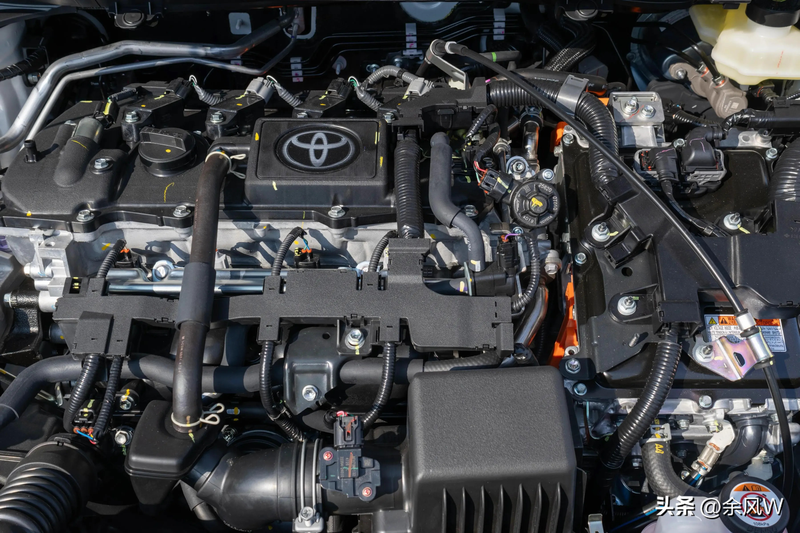
In addition to regular maintenance, daily habits have a greater impact on camery's longevity:
1. Do not accelerate immediately after start-up: allow the oil engine to fully lubricate, especially during the winter, with a 30-second low speed, which reduces the wear of the tank。
2. Avoid refuelling of tanks: fuel pumps are cooled by gasoline, long-term low levels reduce the pump body life and a one-quarter replenishment is recommended in time。
Long-term parking is to be “white”: for more than a month, it is recommended that half a tank of oil be left in the tank, that the negative polar line be cut and activated for 10 minutes per week to avoid battery failure and deterioration。
Finally, the camery core maintenance schedule was sent in, so that it could be stored without any further expense:
• minor maintenance (oil + machine filter): 10,000 km/12 months, approximately $550
• major maintenance (oil + trifilt + brake oil): 40,000 kilometres, approximately $1,500
• brakes: 30,000 kilometres of inspection, less than 3 mm replacement, approximately $800/set
• batteries: 3-4 years of inspection, timely replacement of power deficit, approximately $600
• mixing batteries: free maintenance over a period of 820,000 km
The reason camery became a home-cargo is largely due to the economic nature of its maintenance. The total maintenance cost of 60,000 kilometres is only $5,000-$6,000, 20 per cent lower than that of the yakoku grade. However, this is subject to avoidance and precision maintenance. How many miles did your camry go? What maintenance pits have you encountered? Let's talk about it and save you money