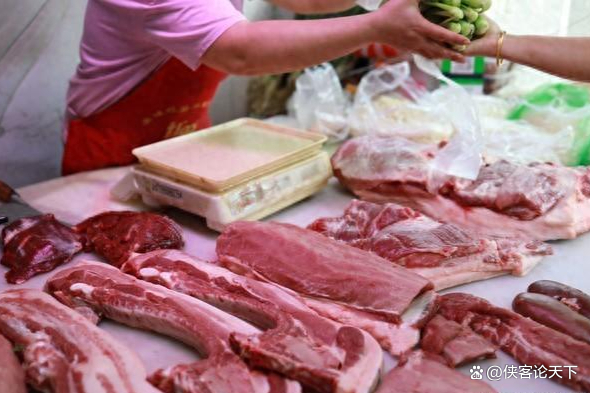
As an important component of the daily diet of chinese residents, price fluctuations directly affect the quality of life of consumers and economic pressures. This paper will provide an in-depth analysis of the current increase in pork prices, taking into account both supply and demand factors。
On the supply side, the number of raw pigs out of the field and the number out are key factors influencing the price of pork。
In the near future, due to the optimism of the farmers about the market expectations, some farmers have chosen to wait for higher market prices by putting pressure on them, i. E. By delaying the timing of the pig production. This has led to a reduction in the short-term supply of raw pigs on the market, thus pushing up the price of pork。
Rising farming costs are also an important factor in increasing the price of pork。
The continued rise in feed prices, especially for the main feed raw materials such as maize and beans, has directly increased the cost of farming, which is eventually shifted to pork prices。
Changes on the demand side are also important drivers of higher pork prices。
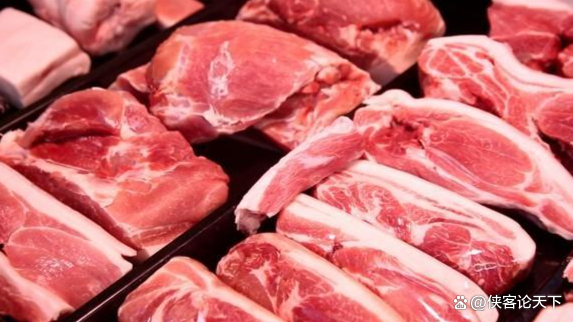
As the income level of the population increases, the demand for quality meat increases。
As a result of recent price increases for other meat products, consumers may be more inclined to purchase pork at relatively stable prices, thereby increasing the demand for pork。
Seasonal factors cannot be ignored. Holidays are the traditional hot season for pork consumption, and the natural increase in demand for pork consumption is one of the important factors driving the rise in pork prices. In addition to supply and demand factors, macroeconomic environmental and policy factors also affect pork prices。
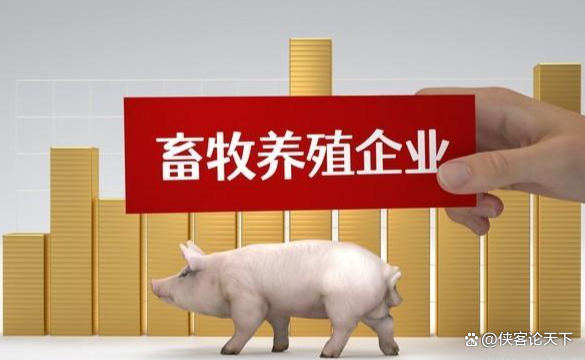
At present, uncertainty in the global economic recovery increases market risk expectations, which may lead to increased investor interest in agricultural markets, affecting pork prices。
The storage policy and the environmental policy of the same government have also affected to some extent the supply of pork。
For example, in order to stabilize market prices, governments may have an impact on prices by implementing storage measures to reduce market supply. Enhanced environmental policies could lead to the closure of farm farms that were partially out of compliance with environmental requirements and reduced the supply of pigs。
Moreover, the impact of epidemics and emergencies on pork prices cannot be ignored。
In addition to causing the death of raw pigs and reducing their supply, outbreaks such as the african swine plague may also affect consumer confidence in pork and thus demand。
In the recent past, while the epidemic has been somewhat contained, its long-term impact on the pig industry continues。
Taken together, the above factors suggest that the rise in the price of pork is the result of a combination of factors。
Supply-side pressure behaviour, rising farm costs, higher demand-side income levels and increased seasonal demand, as well as uncertainties in the macroeconomic environment and adjustments to policy factors, have contributed to increasing pork prices to varying degrees。
Future trends in pork prices require close attention to the evolution of these factors。
Farmers should plan their production rationally and avoid blind pressure to adapt to market changes. Governments should continue to implement effective market regulation policies to ensure the stability of pork supply, while strengthening disease prevention and control and guaranteeing the healthy development of the pig industry。
For consumers, attention should be paid to market information and rational consumption arrangements to cope with the effects of price volatility. Only in this way will it be possible to promote the smooth and healthy development of the pork market while guaranteeing the standard of living of the population。