


In most of the “after 70” and “after 80” citizens' memories, every school season, there is experience with oxen paper or old tacks of paper, and now children are less likely to pack it, and most parents will choose to buy ready-made plastic. In recent days, four departments, including the office of the ministry of education, have issued circulars specifying that “constructive restrictions” require that schools must not impose the use of plastic sheeting on students, especially when it is problematic. So, how do children's books be protected by the book's "standing orders"
Most textbooks are dressed in "plastics."
When new books are issued at the beginning of the school year, it becomes compulsory for students and parents. Yesterday, the author visited a number of stationery shops in the city to learn that most of the books sold in the shop were plastic, and that the vast majority of the books were based on a collection of books from different grades, which students and parents bought home and only had to put into the books. A few stationery shops also show a small amount of paper paper, but it's not full size or style。
According to ms. Wang, head of a paper shop in the city area, plastic bookskin is relatively popular with students and parents, and only a few students choose paper paper, as it is much easier to use it than traditional paper or newspaper wrapping。
Yesterday, with the help of the staff of the community house council, the author interviewed the parents of 30 students randomly on the selection of the books. Of those surveyed, 60 per cent of parents indicated that children's packs used plastic sheeting and that the number of bags was at least seven, including workbooks and practice books. Because it is simple to operate, transparent covers are clearer, waterproof and anti-fouling are not easily broken, and are more durable than paper-based paper skins. Twenty per cent of parents indicated that they would buy their children's favorite paper for a book-covering exercise, which was the pleasure of the annual school season. Ten per cent of parents indicated that they would choose to buy paper-covered paper, as it appeared to be more qualitative. A further 10 per cent of parents indicated that they were busy working and that they would not normally help their children with their books, unless specifically requested by the teacher。
It's easy, but it's bad
In interviews, the writer found that the plastic sheet sold on the internet and on the market was broadly divided into two types, one being self-adhesive and the other being a plastic collection. The specifications are 16k, a4, 25k and so on, and each is less than $1 if it is cheaper and purchased in large quantities. The price of paper is relatively high, but the specifications do not contain much plastic。
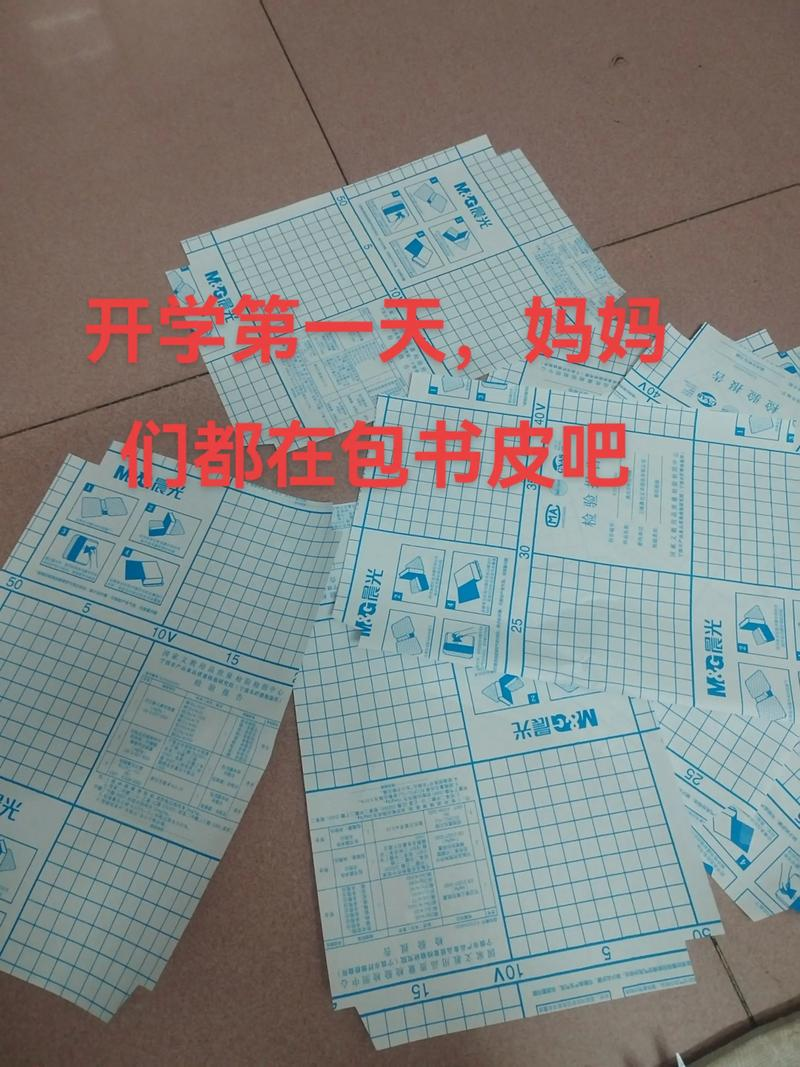
"when i was a child, i was sold with my parents in old newspapers, in old calendars, and there was no ready-made paper." ms. Lee, 34 years old, said that her child was 10 years old and had attended the third year of primary school, and that she had been with her children in the first year of primary school when she had spent free paper bags on the skin, but when she had been in the second year of primary school, after having been influenced by her classmates, she had offered to buy a plastic book bag, which she had never wrapped herself. Zhao dan, the student's parent, also indicated that there was a growing variety of plastic bookskin in the market and that it was easier to do so than to do so。
It is worth mentioning that there are many problems behind the easy and fast distribution of plastic bookskin, which is prone to white contamination, as it is likely to break down after a term, and students throw away and buy new ones, which are not easily degraded and can easily burden the ecological environment。
In addition, the safety of plastic bookskin is not negligible. In recent years, there have been frequent media coverage of the safety risks of plastic bookskin, the market for plastics is of poor quality, and some substandard plastics contain formaldehyde and benzene, which also have a negative impact on the nervous system and physical development of children。
It is gratifying to note that most of the parents in the survey did not consider plastic paper to be environmentally friendly, and that the “conforming order” for the book is a good thing that should be supported, and that in the future there will be a greater tendency to wrap it with their children or to buy cow paper。
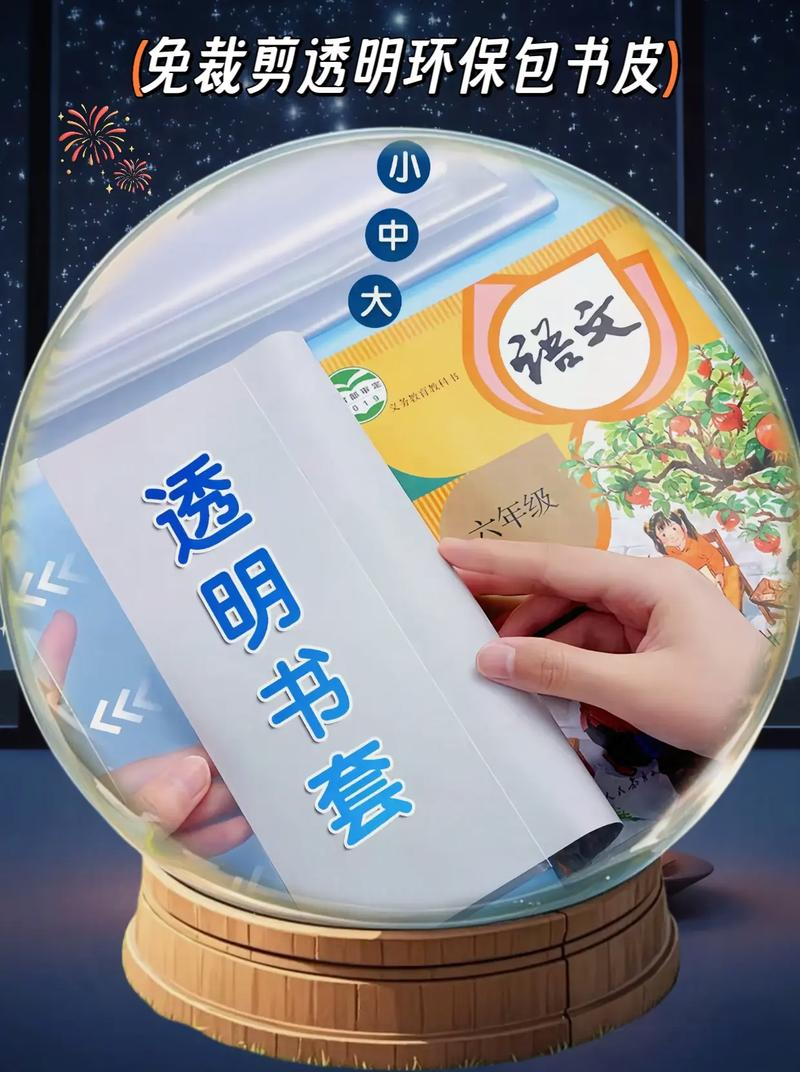
Teacher: during the course of the bookwork, children learn to love books
The interviewer found that in a number of schools, particularly at the primary level, teachers encouraged parents to pack their children's books and even asked students to cover their exercise. This is due to the fact that the child is young and has not developed the habit of caring for books, which are damaged if they are not covered and are not available for a semester. The most important reason for this is the desire for children to develop a good habit of caring for books。
“it is a good thing that parents take time to pack their books with their children.” wang dan, a teacher at the new sea experiment high school, said that the family's work together had allowed the school to start with a “ceremonial sense”, making the child aware that the new semester had officially begun and could help the child to “take care”. At the same time, parents are able to encourage their children to use cow paper or waste paper to wrap their books, not only to develop the child's ability to do so, but also to develop the child's environmental awareness. It is a process of parent-child interaction in which children work together with their parents to make use of this good parenting time, to chat with their children and to take advantage of the opportunity to make some learning demands and promises to the children, which is much more useful than normal teaching。



