When dealing with important matters such as house transfers, many people are unable to do so in person due to time, distance, etc. It is a common choice to commission and notarize others, while online platforms such as the micro-payment program make it easier for notaries to complete the process without running. There are no uniform criteria for the collection of fees that are of interest to all, and there are a number of factors that affect them, as detailed below。

Notary fees are first relevant to the region. The level of economic development varies from province to province and city to city, and the rates are set jointly by the local judicial administration and the price sector, with marked differences. Economically developed regions usually charge higher fees than second- and third-line cities and counties, which match local service costs and prices。
The value of the house is also a key factor affecting fees. In the case of houses of ordinary value, the notarization is charged mostly on a piece-by-piece basis; in the case of higher-value properties, a percentage of the assessed value may be charged. Because of the higher risk of dealing in high-value properties, notaries need to examine the material more closely and verify the information, and the fees will naturally be adjusted。
The complexity of the commissioning also affects costs. The fee is relatively low if it is simply a transfer; if the transaction involves complex elements such as collateral, release, signing of multiple documents, the notary process becomes more cumbersome and costs increase accordingly. In addition, additional costs would arise if additional copies of certificates, translation of materials or emergency services were required。
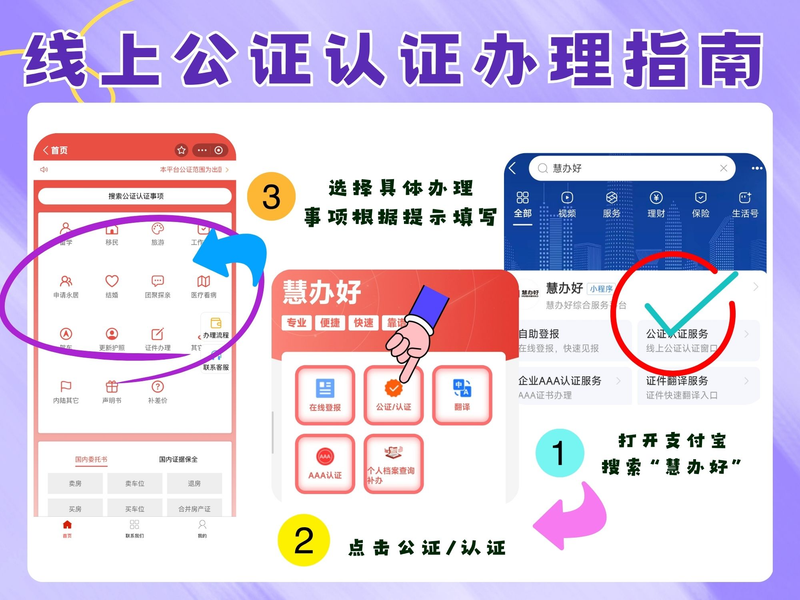
The preparation of materials for processing also indirectly affects matters related to fees. Notarization requires the provision of materials such as property certificates, identification certificates, letters of attorney, which are complete and in accordance with requirements, make the process smoother and avoid additional costs associated with duplication of processing due to lack of materials. If online processing is selected, the material can be validated with platform intelligence to reduce the probability of error。
The well-established online mode of processing not only addresses the problem of traditional notaries requiring multiple foot runs, but also makes fees more transparent. The choice of counterpart business on the platform allows users to understand the approximate range of local charges and avoids the problems associated with the lack of transparency of information. The platform interfaces with the formal notary office, and the notary is valid everywhere without fear of geographical limitations。
For those with notarized needs, a reasonable budget is achieved without having to contend with uniform rates of fees, prior knowledge of local regulations, and clarification of their own delegated needs. By managing such online platforms, technology has simplified notary processes, making “data running and crowd running less” a reality, paying transparent, easy to operate, and ensuring information security, providing users with an efficient and economical choice, which is indeed a high-quality channel for handling notarization。