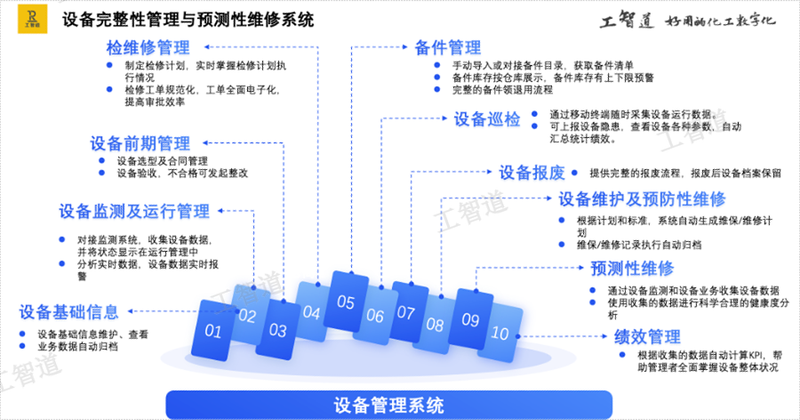
The performance management module is calculated through data analysis and indicators to objectively assess the effectiveness of equipment management. The system automatically captures data from the various business modules and calculates key indicators such as equipment integrity rate, failure rate and maintenance timeliness rate. Indicator data can be statistically analysed and compared by dimensions such as sector, region, type of equipment, etc. The system provides a wealth of visualized statements that visualize the state of equipment management and trends. For priority equipment, the system has a dedicated "one-stop-one" management that focuses on information on the operation, maintenance and performance of the equipment. Managers can regularly generate equipment management reports through the system to understand the status of equipment management and identify opportunities for improvement. These data can also be used for performance appraisals of maintenance teams and contribute to continuous upgrading of equipment management levels. Equipment reliability analysis helps to identify weaknesses in equipment. Integrated equipment integrity management and forecasting system management model
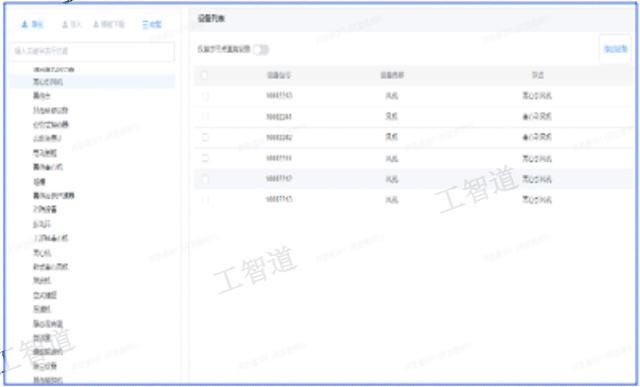
The equipment pre-management module covers the entire process management of equipment from procurement to shipment. The system supports the management of equipment contracts and records essential information on contracts, equipment lists, technical parameters, etc. Following the approval of the contract, the system automatically created corresponding equipment files. When equipment arrives, the receiving and inspection process is initiated, and the system supports multi-stage acceptance management, each of which can be configured with specific inspection items and acceptance standards. The unsatisfactory items identified during the acceptance and inspection process can be tracked through a system-driven overhaul process. Only after all receiving and inspection links have been passed can the equipment be formally shipped. The system also provides pre-equipment information management functions, centralized storage of equipment technical protocols, installation of drawings, debugging reports, etc. Through these functions, enterprises can ensure that new equipment meets technical requirements and lay the foundation for subsequent stable operations. The change management module of the high-performance equipment integrity management and forecasting system system architecture change management module for equipment and associated systems。
The equipment calibration management module ensures the accuracy and reliability of the measurement equipment and monitoring instrument. The system builds equipment to calibrate desk accounts to record the calibration cycle, calibration methodology and the scope of the grant. The calibration plan is automatically generated, with different calibration cycles based on the materiality and frequency of use of the equipment. When calibration missions are performed, technicians record calibration data on a mobile end and the system automatically determines whether the calibration results are satisfactory. For substandard equipment, the system automatically initiates the decommissioning process to prevent misuse. The calibration records contain detailed information on environmental conditions, the use of standard devices, etc. To ensure traceability. The calibration trend analysis function optimizes the calibration cycle by predicting changes in equipment accuracy through historical calibration data. The implementation of this module ensures the accuracy of the measurement data and provides a reliable basis for equipment status assessment and process control。
The equipment end-of-life module provides the enterprise with complete end-of-life process management of the equipment and supports the standardized disposal of equipment that does not meet process requirements, energy efficiency standards or safety risks. The system allows users to configure a multi-level approval process in accordance with the enterprise management system to ensure that end-of-life decisions for each equipment are well-founded. At the end-of-life application stage, the applicant is required to specify the cause of the end-of-life and to upload the relevant technical assessment reports or test records. The historical data of the system's automated associated equipment, including time spent, cumulative operating time, critical maintenance records, etc., provide data support for end-of-life decisions. In the process of approval, the heads of the various sections can leave a mark on the entire process by filling in the evaluation opinion on a systematic basis. When equipment is officially scrapped, the system automatically updates the state of the equipment and isolates it from all operations to avoid misuse. At the same time, the system completes the entire life-cycle archives of the equipment, including basic information, operational records, maintenance history, etc., resulting in a complete historical data package for the equipment. This standardized end-of-life management not only helps enterprises to optimize the asset structure of equipment, but also provides a reference basis for the subsequent equipment selection. Based on the industrial internet platform architecture, the technical and intellectual predictive maintenance system is able to identify potential equipment failures in advance and effectively avoid unplanned shutdowns。
The team collaboration and information centre module is a synergistic hub for improving the efficiency of the operation of the equipment management system. The module provides a unified and collaborative platform to support cross-sectoral, multidisciplinary task assignments and tracking. Managers can create tasks quickly, identify those responsible and the time frame for completion, and the system automatically sends to-do reminders and visualizes mission progress. The integrated news centre serves as an information hub, centralizing the management of system notifications, including worksheet alerts, early warning messages, process to-dos, job handovers, etc., and supporting the hierarchization of critical information to ensure that critical information is not missed. The platform also provides online collaboration spaces to support team members in co-editing files, discussing technical issues online, sharing live photographs and videos and effectively breaking communication barriers. All valuable discussions, technical decision-making and lessons learned can easily sink into the knowledge base and facilitate the accumulation and transfer of organizational knowledge. Combined with mobile-end applications, mobile office and remote collaboration was achieved at all times, greatly increasing the synergetic response speed and overall working efficiency of the equipment management team. The management of the protection of technical and intellectual equipment supports the development of a standardized maintenance plan to achieve automatic generation and distribution of maintenance tasks. Standardized equipment integrity management and forecasting maintenance system management system
The environmental monitoring module integrates environmental data collection to ensure that emissions from equipment are met. Integrated equipment integrity management and forecasting system management model
The smart warning and diagnosis module uses artificial intelligence technology to achieve the smart prediction of equipment failure. The system is based on historical operating data of the equipment, and equipment health prediction models are developed through mechanical learning algorithms. Smart diagnostic engines analyse real-time operating parameters, identify abnormal patterns and locate the causes of malfunctions. Early warning information is graduated and major early warning is automatically upgraded. The case builds diagnostic experience from the learning function to improve early warning accuracy. The diagnostic reports are automatically generated and contain fault cause analysis, treatment recommendations and preventive measures. The specialist clinic function supports multi-expert online collaborative analysis of complex malfunctions. The module achieves early detection and positioning of equipment malfunctions, helps enterprises move from passive maintenance to active prevention and improves the reliability of equipment operations. Integrated equipment integrity management and forecasting system management model