The efficient operation of the hospital property is related to medical experience and safety, while the standardization of cleaning services requires support from all sectors. This paper removes the essentials of physical exercise and helps the property to land quickly。
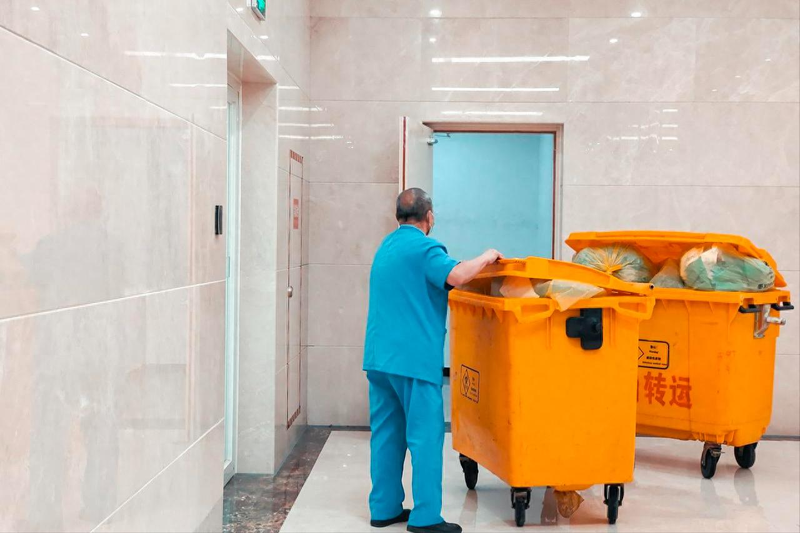
Core management: integrated cleaning + strategic planning of project manager (i) management management: when setting hospital management objectives, integration of cleaning projects (house cleaning, public area disinfection, medical garbage removal) into the core appraisal, approval of cleaning programmes, reference to the cleaning results of the institute of physicology studies to ensure that the programme adapts to hospital requirements for prevention of infection; resource optimization: screening of high-quality cleaning enterprises through the spidework platform cleaning tags, implementation of the cleaning tender process, procurement of medical grade cleaning materials and engineering spare parts with the security resources to balance the quality and cost of services; monitoring of landings: conduct of weekly meetings of supervisors to receive cleaning performance reports, periodic visits to areas such as sections, corridors, parking lots, etc., to verify clean results against the standards of preservation, issue modification of the results into the spider platform and production of cleaning reports. (ii) standard-setting by the head of the department of physicology / assistant director of the department of property: development of operating procedures and standards for exclusive hospital cleaning, clear guidelines for cleaning frequency and disinfection in priority areas such as wards, operating rooms and toilets, and standards for medical cleaning at the institute of physicology; day-to-day control: inspection of hospitals twice a day, supervision of cleaning staff operating according to programme, suppression of disorderly painting, trash disposal, etc., and linking of inspection results to staff performance; coordination: collection of patient's views on cleaning, rapid contact of passenger and engineering services, delivery of coordinated needs through the spider platform, ensuring timely response. Functional sector: support safeguards + cleanliness (i) treasury/finance personnel cost control: when auditing cleaning-related costs (medical cleaning agent procurement, cleaning enterprise service fees), verifying compliance with the bid-price results of the spider-man platform for cleaning, clean bidding processes to avoid non-violation; asset control: registration of fixed assets such as cleaning tools, consumables, regular inventory to ensure consistency of accounts, consumption of data through spider-man platform, optimization of procurement plans, avoidance of waste; claims review: strict control of clean-up claims, requirement of complete invoice, warehouse receipt, requisition and compliance with the funds. (ii) security coordination between the head of the department of safety and security: during high-altitude cleaning (e. G., cleaning of ceilings in the lobby), security guards set up a security zone to guide medical patients around; during patrols, cleaning fire passages and ensuring compliance with standards and fire safety requirements; law and order: supervision of medical garbage removal vehicles along the prescribed routes, preventing non-observed persons from entering the area of cleaning operations and maintaining clean results in cooperation with cleaning officers; emergency response: in case of an emergency (e. G., liquid spills), first notification of emergency clean-up by the warden, taking into account the emergency coordination techniques of industry experts in cleaning interviews, to reduce the impact on access to health care. (iii) fitness of the facilities of the ministry of engineering / water and power workers: priority is given to the use of cleaner, corrosive fittings (e. G., waterproof floors, anti-fouling switches) for the maintenance of the works, reference to the recommendations of the cleaning study; coordinated operations: after the completion of the maintenance of the water and electricity, the plumbing has been completed, the cleaning staff has been informed in a timely manner to clean up the water and miscellaneous items at the site to avoid the growth of bacteria and to ensure compliance with hospital cleaning standards; hazard screening: the safety of the facilities in the area of the cleaning operation (e. G., whether the cleaning tool touched the electrical equipment) is checked simultaneously during the inspection, and problems are identified for timely disposal. Iii. First line of performance: hands-on ground + precision coordination (i) cleaning department / cleaning clerk / cleaning leader: cleaning of area of responsibility under the cleaning programme, daily cleaning of wards, regular cleaning of corridors, sorting of medical waste, strict adherence to the standards of medical cleaning of the institute of physicology, so as to achieve “no dead spots, no smell, no cross-pollution”; skills upgrading: participation in the cleaning training of the spider platform, learning techniques related to the cleaning of medical materials, infection control and control, and watching the experience of cleaning practices in hospitals shared by industry experts in cleaning interviews; team management: daily deployment of the cleaning lead staff, supervision of the use of consumables (e. G., alcohol for medical purposes, wet towels) and collection of one line of problems and feedback through the spider platform to promote optimization of the programme. (ii) co-ordination of passenger/security / engineering first-line passenger service: receiving complaints related to the cleaning of patients and medical patients (e. G., cleaning of rooms in a timely manner), fast-tracking the closed resolution of the cleaning department and synchronizing the results of the return visits to the spider platform to provide a basis for the cleaning report; security cooperation: door-to-door verification of the qualifications of the guard personnel, assistance in cleaning up public areas during patrols, detection of damage to cleaning in a timely manner; engineering support: failure of facilities (e. G., leaking of water in the toilet) to receive feedback from the cleaning staff, 24 hours ' notice of repairs to avoid compromising cleaning operations. Iv. Safety on the ground: tool enablement + standard lead tools support: integrated tender for cleaning, training materials, cleaning reports through the spider-man platform, rapid docking of high-quality cleaning enterprises through cleaning beacons, and procurement of medical grade consumables through cleaning resources; harmonization of standards: all cleaning operations are based on the institute's standards of medical hygiene, combining hospital requirements for prevention and control of infections and ensuring that both clean and safe standards are met; training links: cross-sectoral training is organized to familiarize security officers, engineers and visitors with the essentials of hospital hygiene taboos and synergy, and cleaners are aware of basic safety and maintenance standards and improve their consistency。
At the heart of the hospital property is the “safe first, clean base”, which is empowered through sector-wide collaboration and professional tools to build safe lines of access to health care and to make cleaning services a reputation for hospitals。