01 korean people's life experience
There was a short-term relationship with a korean girl, which ultimately failed. Now, in retrospect, that experience, though blurred, always opens a smile every time i think about it. I lived in korea for a year. She was a korean banker. I often have to go to that bank for work reasons, and every time i visit, she says hello warmly. Despite my intuitiveness and unspoken nature, she has always treated me with smiles and enthusiasm, which has made me feel warm and friendly in korea。

Prices and cost of living in korea
Next, i want to share what i have seen in korea。
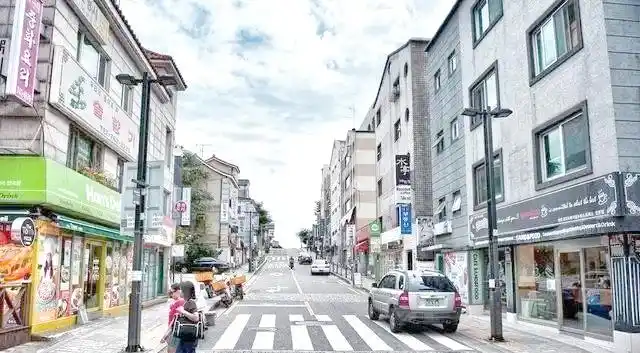
South korea generally has higher prices, which are linked to its high per capita GDP, but because of the limited size of the country, scarcity of resources leads to price increases. Daily consumer goods such as food, clothing and accommodation are expensive。
03 comparison of clothing, food, accommodation and travel costs
Clothes
In korea, dress is vital for everyone, and even ordinary koreans are very focused on the choice of dress. Similar to my country, koreans usually do not choose to buy clothing at malls or brand shops, and prefer to look for their own style in small shops or stalls. Among them, the east gate market is a shopping location of particular preference for koreans, similar to a large wholesale market. Here, customers have the flexibility to choose retail or wholesale, and the price is wide-ranging, cost-effective and high-end fashion。
In korea, there are many options for acquiring clothing and prices vary widely; for example, the price range for basic clothing ranges from 10,000-40,000 won (approximately 60-300 yuan) to 150,000 won or even 200,000 won. The prices for current clothing are usually higher, but when the tide passes, prices tend to decline significantly。
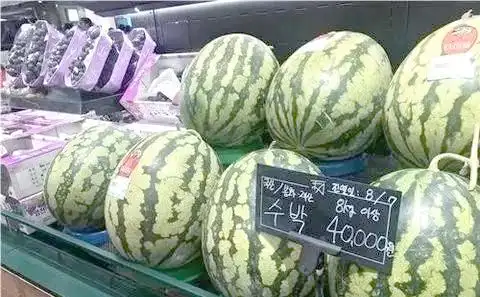
Food price differentials
In korea, there are significant differences between food prices and domestic prices. For example, an ordinary watermelon, which requires only $9. 9 in our own country, spends about $100 in korea. The same box costs us $19. 9 for strawberries, which in south korea alone is $10. This difference in prices allows people to feel the difference in cost of living between the two countries while enjoying korean food。
In the republic of korea, the price of vegetables is relatively high, with about rmb 20 per kilogram. And 500 ml of milk at a price of about rmb 10. As for meat, the price of pork is around $100 per kilogram, while beef is more expensive, with imports of beef at around $150 yuan, while the national produce of korean cattle can reach around $300 yuan。

Accommodation costs
Living in korea does cost a good price, mainly due to its relatively high price level. In seoul city, the single monthly rental price is approximately 500,000 won and the equivalent is approximately 2,800 yuan, while the deposit varies between 10 and 20 million won depending on the housing conditions, with the conversion to rmb between 57,000 and 114,000 yuan。

Transportation costs
In korea, subway fares are relatively generous. The fare within 15 kilometres of the subway is only about $1, while our minimum domestic subway consumption is usually $2. The republic of korea's buses are also charged different fees, with a full fare of 1,300 won at a rate of approximately 9 yuan。
04 korean income and living standard
Korea has a high per capita income but does not represent all groups. Large enterprises earn a lot of money, while small and medium-sized enterprises and civil servants earn a lot; many still have to work even after retirement。

Income status
Korea's per capita GDP is about us$3. 18 million, or rmb 200,000. In these large enterprises, the average annual salary of employees can be as high as 64 million won, equivalent to around 350,000 yuan, and about 29,000 yuan a month. The salary level for sme employees is around $200,000. The average annual salary of civil servants is as high as 56 million won, or approximately 300,000 yuan。

The annual income of 10 million won is relatively low in the republic of korea, with a monthly salary of 4750 won. Such a level of income is barely viable in the republic of korea and is even considered poor. This also reflects the pressures and economic burdens on the local population。